 Serpa
Serpa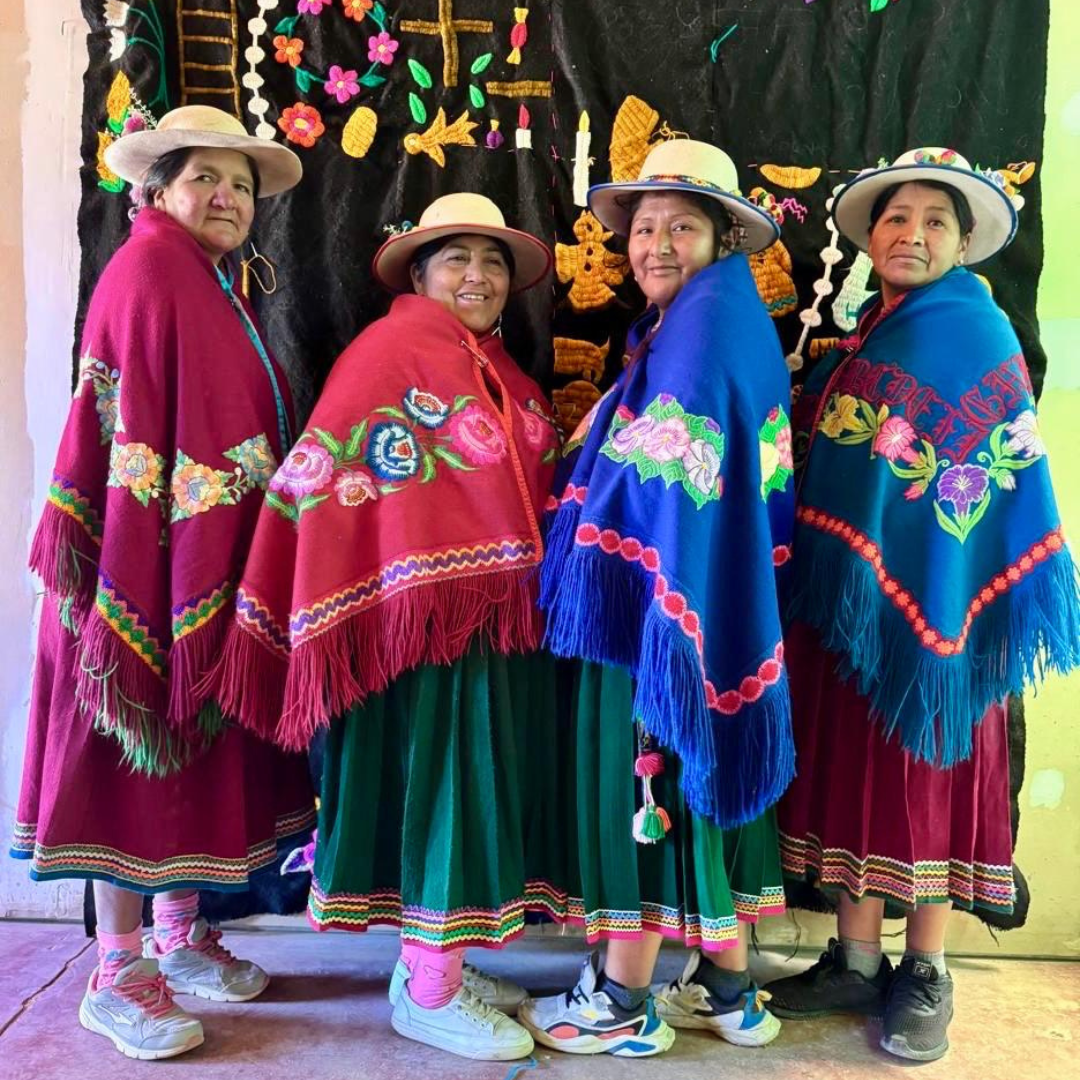
Illaripuna presents sustainable model connecting indigenous artisans with conscious international markets
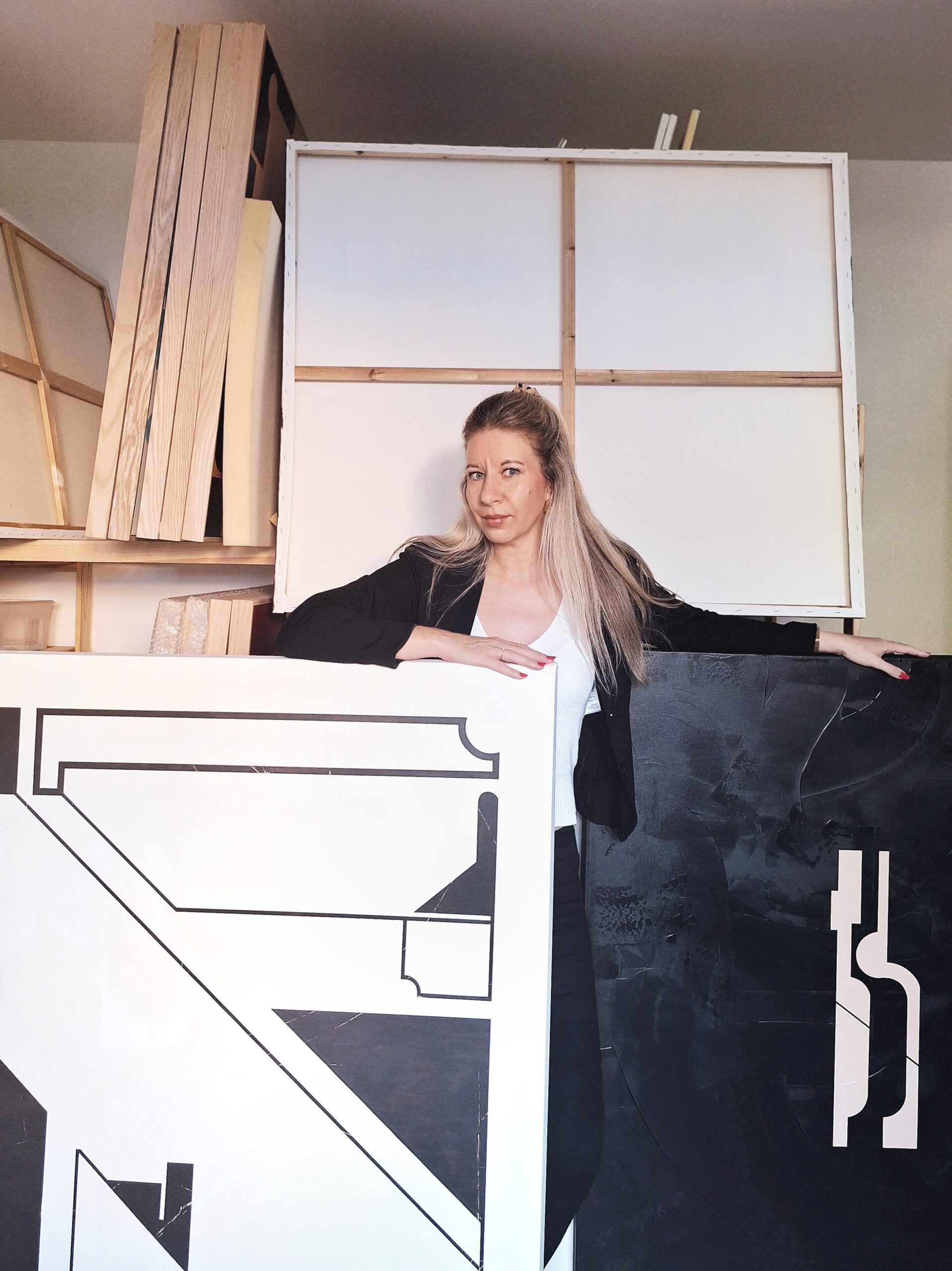
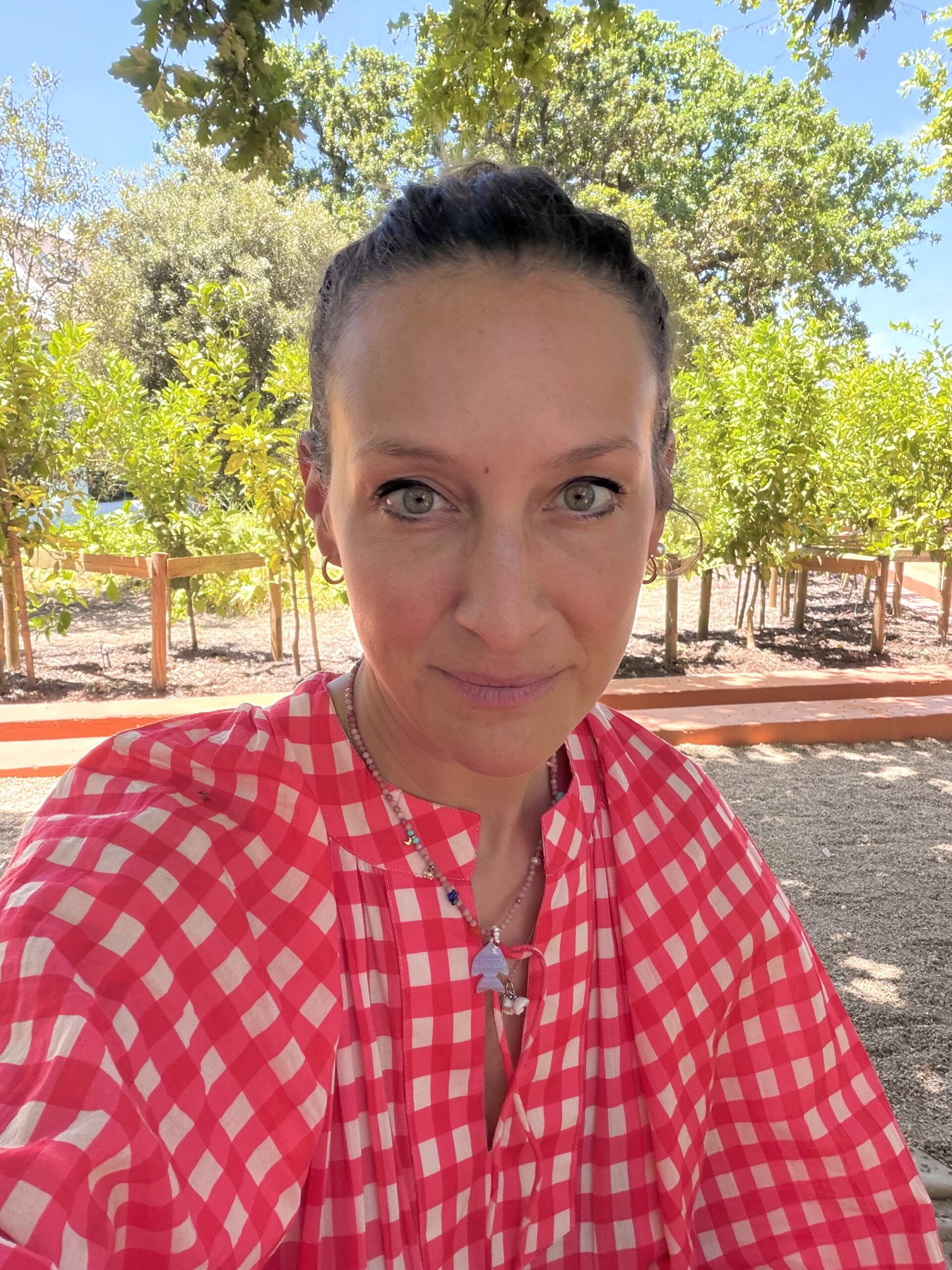
Argentine anthropologist and designer Magdalena Sánchez de Bustamante is bringing the Illaripuna project to Dutch Design Week in Eindhoven, the Netherlands. The initiative, which recovers ancestral Andean weaving techniques and has been running for 20 years, is being exhibited at Klokgebouw, located at Klokgebouw 50.

Photo: Illaripuna
The project, based in the province of Jujuy in northern Argentina, seeks to create a sustainable system in economic, social and environmental terms that successfully connects artisans with high-end conscious markets. Participation in Dutch Design Week, the largest design event in the Netherlands, represents international recognition for the work developed with indigenous communities in the region.
Dutch Design Week annually brings together designers, companies and visitors from around the world to present innovations in design, architecture and art. Klokgebouw, a former Philips factory transformed into a creative centre, houses various projects during the event, which has become a global reference in contemporary design.

From childhood in the valleys to defending Andean culture
Born in Jujuy, Magdalena grew up in the rural area of the province’s temperate valleys, where diversified agricultural activities coexisted with different cultural traditions. Traditional livestock farming was carried out by the Creole population, the so-called gauchos, whilst agriculture concentrated groups of indigenous peasants from the highlands of present-day Bolivia and families descended from old colonial processes.
“In that environment so rich in diverse cultural expressions my childhood unfolded. Although in love with my land, from a young age I travelled tirelessly, forever absorbing the unstoppable dynamics of globalisation,” recounts Magdalena, who chose anthropology as her career and profession.
Academic studies allowed the entrepreneur to understand more deeply the meanings of the practices and symbols that each cultural sector inhabiting Jujuy contributes to society as a whole. Two decades ago, she decided to work with indigenous peasant communities belonging to Andean culture that inhabit the highlands of the Andes Cordillera, in the Altiplano or Puna zone of Argentina.
Disconnection and rural exodus threaten millennial tradition
The difficult sustainable connection of artisan families with high-end conscious markets, potential consumers of their products, means they sell their pieces locally at low prices, without taking advantage of their potential in other markets. Low prices, combined with other factors, cause most young people to lose interest in continuing ancestral traditions.
Currently, these communities live in isolated places, in situations of great poverty and vulnerability, which force them to migrate in search of some means of survival. “This implies not only the loss of their ancestral knowledge, which expresses and constitutes their culture, but also promotes migration to large cities, generating serious structural social problems that are very difficult to resolve,” explains Illaripuna’s founder.
Many, however, remain in their places of origin and still possess a great wealth of knowledge from their millennial culture. This knowledge has been slowly deteriorating due to loss of markets, devaluation by modern society and countless other causes.
Illaripuna’s work began with respectful dialogue with the weavers who were still producing traditional textiles. In this process, the project team identified various factors causing the deterioration in the quality of the pieces. “We managed to return to them knowledge that had been forgotten and, together, we recovered numerous designs and techniques,” says Magdalena.
Connecting tradition with conscious markets
Andean textiles carry stories, rituals and myths from indigenous cultures. Made by hand with sheep and llama wool, animals that consume little water, the pieces are unique and reflect the colour palette of the Andean mountains. The project produces blankets, ponchos and cushions, all hand-embroidered by local artisans.
“When I made contact with them many years ago, I could immediately appreciate their products and committed myself to working with the weavers to position their pieces in international markets that appreciate this type of work,” says the entrepreneur. According to her, these markets are conscious of the cultural richness of the textiles and seek products made with natural raw materials that do not damage the environment.
The businesswoman is convinced that by connecting both sectors, the valuable ancestral knowledge can be an economic means that allows artisans to live with dignity in their places of origin, according to their customs. The enterprise maintains a network of producers, artisans and designers who work in an integrated way, preserving and recreating cultural knowledge and rooting young people in their territory.
Latin American cultural diversity in every thread
Latin America carries a diversity of knowledge resulting from processes that coexist in present-day societies in an overlapping and sometimes difficult to interpret manner. Each region has its own history, which contributes to understanding the continent’s enormous cultural wealth.
“This decision committed me deeply and constitutes an enormous life challenge. In the region it is essential to research both its long tradition and international markets: their demands, interests, etc.,” explains Magdalena. As a result of 20 years of work and research, she created Illari to share this wealth of textiles with the world.
The initiative aims to combat social inequality aggravated by the water crisis affecting the region. By creating employment and inspiring young people to once again take pride in manual work, the project seeks to enable them to live with dignity without needing to migrate. The pieces have already been exhibited in Milan, Italy, where the Willka Hilos Sagrados (Sacred Threads) collection was presented in the Navigli district.
“Each person can collaborate in reducing social inequality, poverty, in gender equity, in respect for cultural diversity and in combating global warming, especially through the water crisis,” says the anthropologist, who connects health to the links in the production chain whilst keeping a millennial tradition alive.
Photos: illaripuna