 Samuel Navarro Serpa
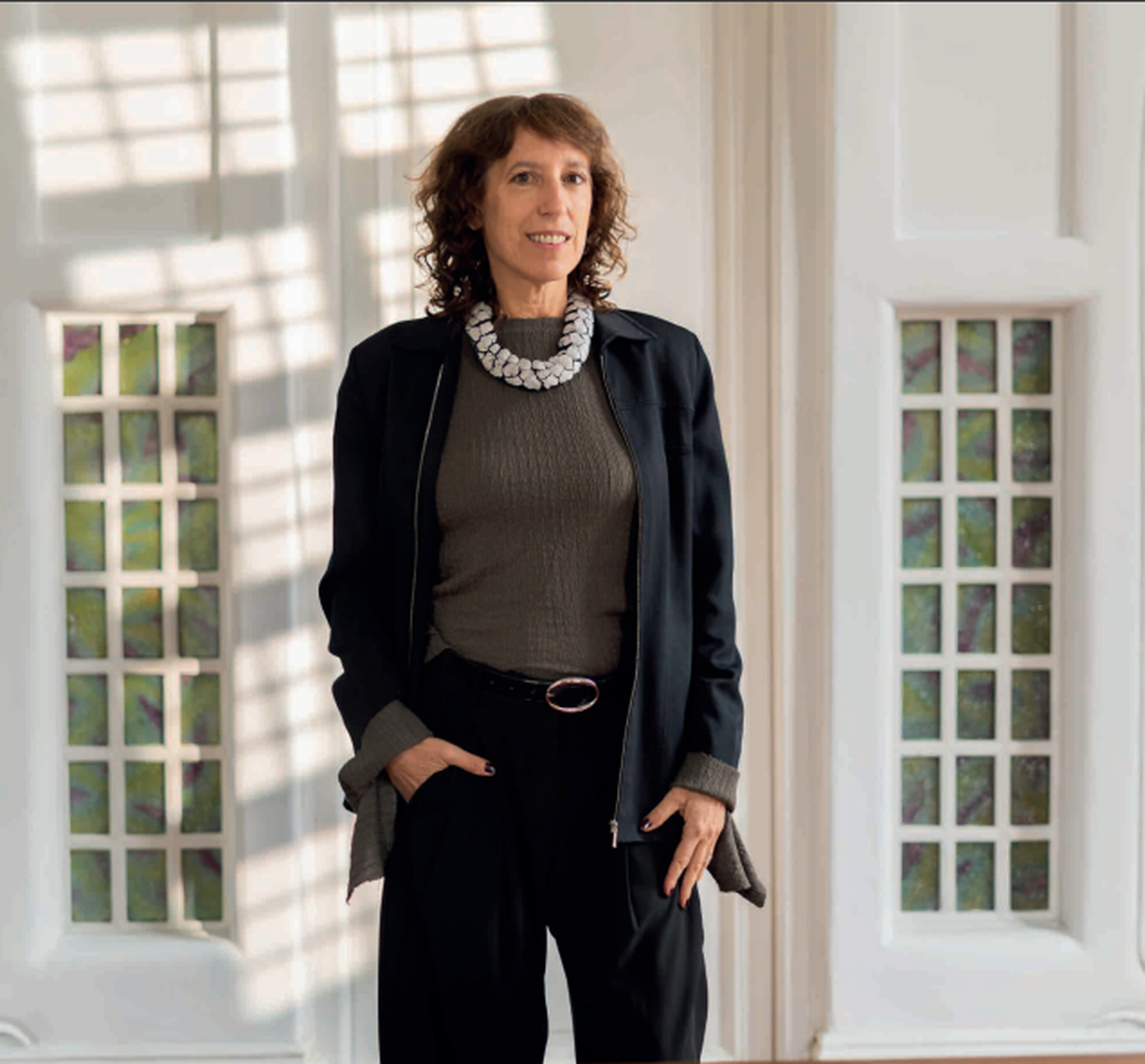
Journalist Vivian Urfeig, curator of the ‘Trazo Cero’ exhibition at Paris Design Week 2026. Photo : Courtesy
Vivian Urfeig curates eight Argentine studios joining Trazo Cero at Paris Design Week 2026, an initiative backed by the national government.
Studios arrive in Paris
Collectible pieces from Argentina take center stage at Paris Design Week 2026, running Sept. 10-19, where the Trazo Cero label brings together eight studios at Galerie Joseph in the Factory District of Le Marais from Sept. 10-14. The lineup spans furniture, light fixtures, ritual objects, equipment and textile pieces, created by professionals in industrial design, architecture, interiors and lighting. Each carries its own narrative that links innovation with local craftsmanship.
A platform takes shape
Founded in 2025 within a trends and contemporary culture lab, the Trazo Cero collective established itself as a research, production and distribution platform with international reach. After exhibits at Fundación Pablo Cassará and the MAPA Art Fair in Buenos Aires, the group arrives in the French capital under curator Vivian Urfeig, a journalist who specializes in the field. She selected Magdalena Boggiano (Oblumo); Maite Guedes and Marilina Las Heras (Hache Objetos); El Espartano, in partnership with architect Martín Huberman; Delfina Velar de Irigoyen (Studio Devel); Mercedes Massot and Paula Stremiz (Fiumine); Ignacio Noel (Iwish); Marcela Roitman (Orpnimi); and Dolores Mallea (Sur del Cruz).
Her career bridges media and teaching
Besides writing for the newspaper La Nación and the outlets The Praxis Journal, MalevaMag and Revista D&D, the curator serves on the Evaluation Committee of the Buen Diseño label and teaches at Universidad de San Andrés. Urfeig also curated Argentina’s show at the 2025 Paris Design Week and regularly moderates panels, leads talks and gives lectures on the field.
Institutional support meets local expertise
Quiet coordination between government offices underwrites the studios’ Paris trip, running through the Ministry of Foreign Affairs, International Trade and Worship, the Directorate of Cultural Affairs, PromArgentina and Marca País. Glass, marble, native woods and technology-enhanced fabrics make up the repertoire of raw materials. Turners, carpenters, silversmiths, stonemasons, glassmakers and weavers take part directly in production and reveal, Trazo Cero organizers say, the skill level of Argentine artisans.
Geometric borders in synthetic turf
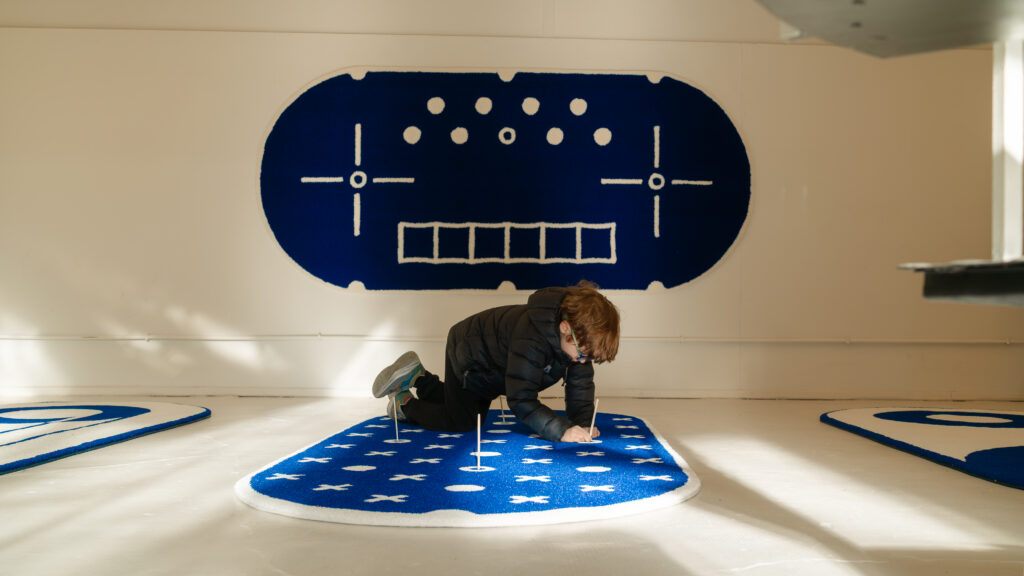
Rug from the Pastillas line by El Espartano and Martín Huberman, in use in an interior space. Photo : Cortesy
Named “Robot,” “Constelaciones,” “Carriles” and “Versus,” four pieces make up the “Pastillas” line, signed by El Espartano — a design studio — in partnership with architect Martín Huberman. The rugs, made of synthetic turf, transpose the graphic language of functional-training sports surfaces to another scale. Suited for indoor and outdoor settings alike, such as terraces, balconies, game rooms and galleries, the modules combine geometric shapes with a palette of blue, fuchsia and white.
Lighting fixtures become sculptures
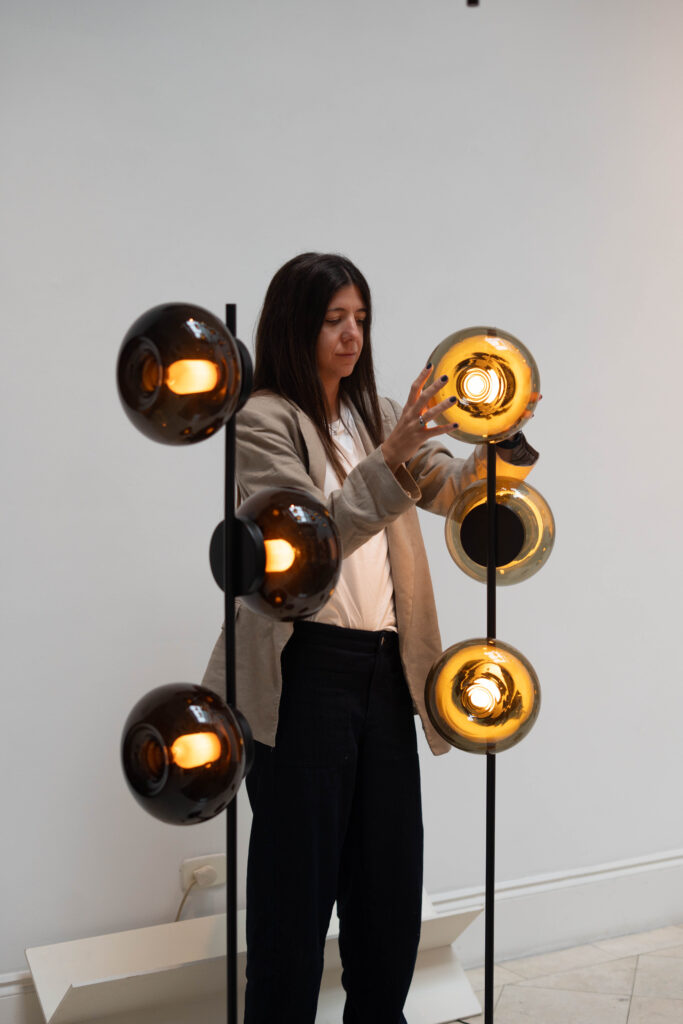
A member of the Fiumine team adjusts a lamp by the brand, which creates light sculptures in glass and metal. Photo : Courtesy
Marble, blown glass, porcelain and metal pass through the hands of Fiumine, the studio formed by Mercedes Massot, Paula Stremiz and Francisco Silva Font. The brand says its pieces are designed around a principle of formal simplicity paired with functionality until becoming sculptures of light.
Reclaimed fabric finds new life
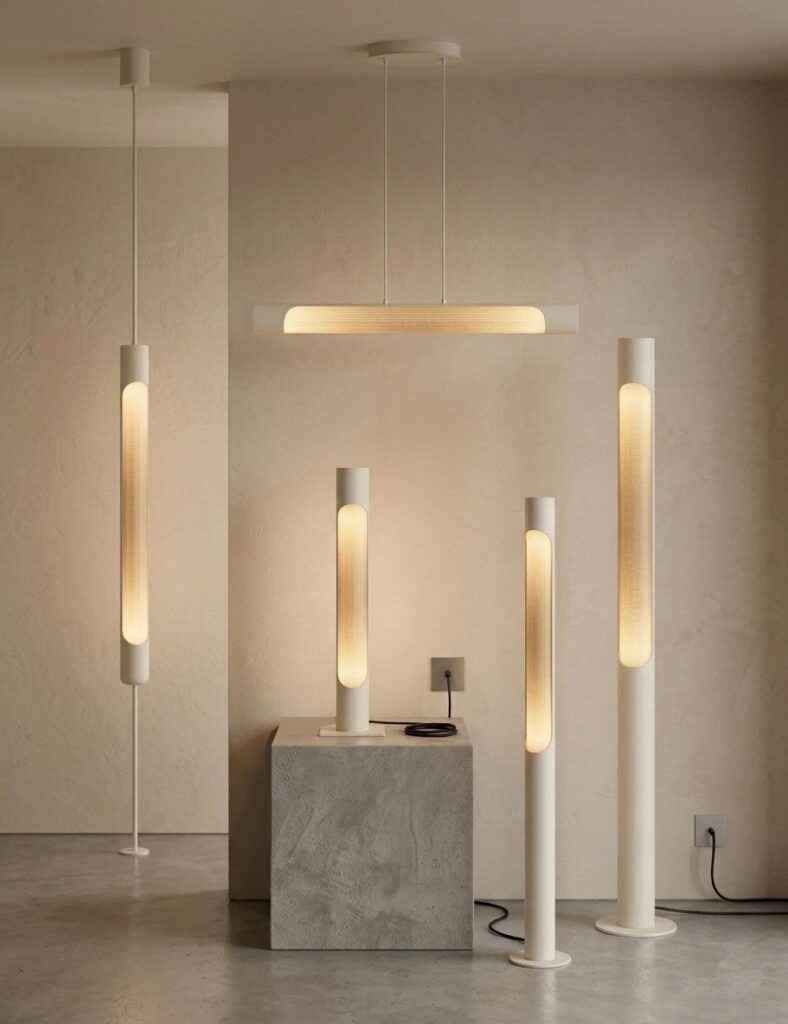
Light fixtures from the Trama line by Hache Objetos, in a finished residential setting. Photo : Courtesy
Even discarded curtain fabric gets new life in the “Trama” line — new to the French edition — from Hache Objetos, signed by Maite Guedes and Marilina Las Heras in partnership with the Riel Americano brand. The designers say the proposal recovers an existing material, extends its useful life and reduces manufacturing’s environmental impact.
Kiln-formed glass becomes a light source
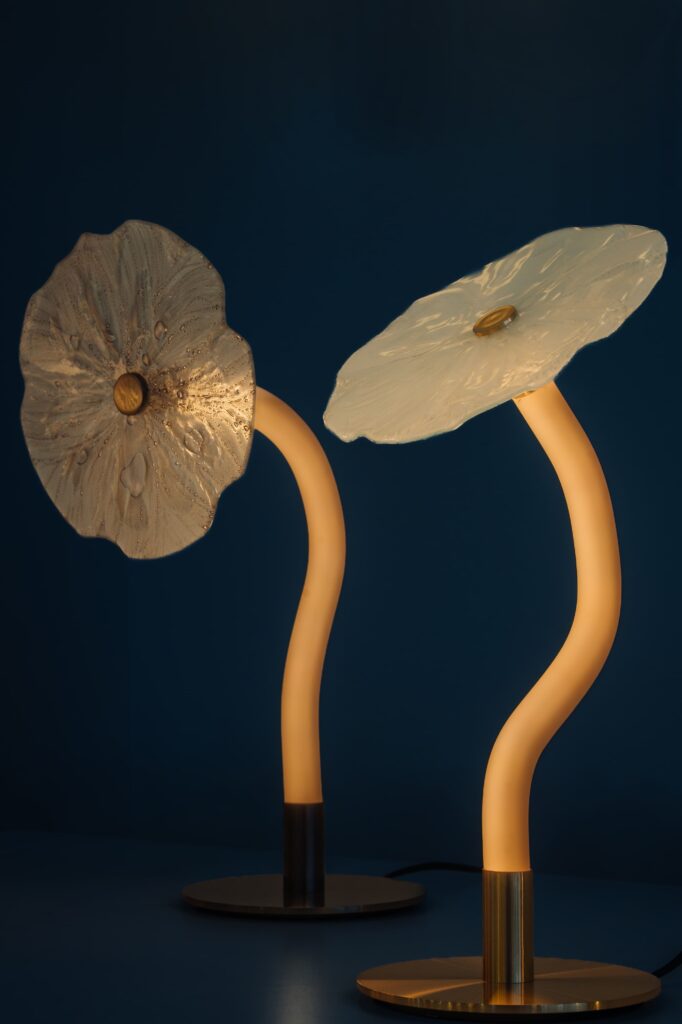
Two versions of Flor Vetro by Ignacio Noel (Iwish), a glass and fusing piece whose stem supports the structure and light source. Photo : Courtesy
Weaving industrial processes together with artisanal techniques, in collaboration with artisans across different trades, Ignacio Noel has built his practice at Iwish around light as design’s central material. In Paris, he shows “Flor Vetro,” a piece in blown and kiln-formed glass. Shifts in temperature during the forming process shape irregularities, transparencies and overlaps that alter the perception of brightness; the piece’s stem holds both the structure and the light source.
Panels merge acoustics with recycled design
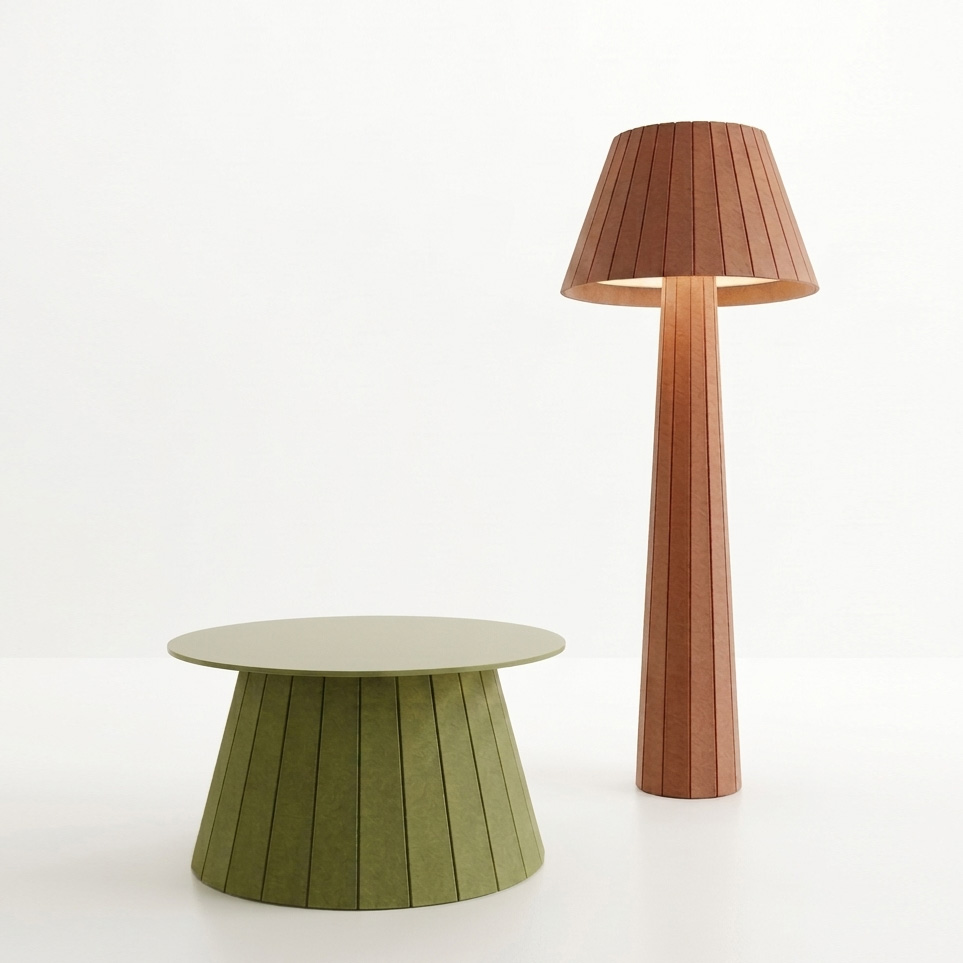
Side tables and floor lamps by Oblumo, Magdalena Boggiano’s studio. Photo : Courtesy
Oblumo’s founder, Magdalena Boggiano, has worked since 2000 in the design, research and manufacture of light fixtures. She brings the “Majafa” line to Paris, a felt version of the “Maja” series launched in 2018. Composed of 60% recycled material, the polyethylene terephthalate (PET) panel improves acoustics in work environments, while the folding that defines its shape reduces packaging volume, shipping costs and carbon footprint.
Jewish heritage in tableware
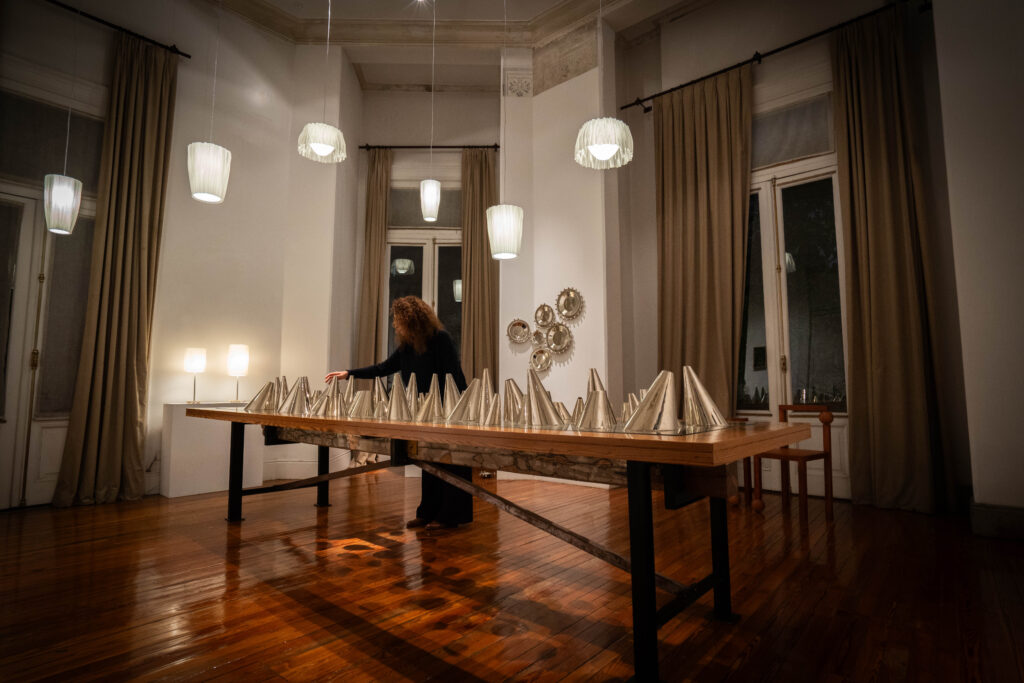
Candlesticks by Orpnimi, a contemporary Judaica studio directed by Marcela Roitman. Photo : Courtesy
Under architect Marcela Roitman, Orpnimi — whose name means “inner light” in Hebrew — grew out of a period of personal and collective reflection and focuses on contemporary Judaica. Geared toward the celebration of Shabbat, the line shown in Paris includes a Kiddush cup, a challah cover, candlesticks and napkins to dress the Friday table, made of linen, silver and nickel silver by Argentine artisans.
Yarn and wood close the exhibit
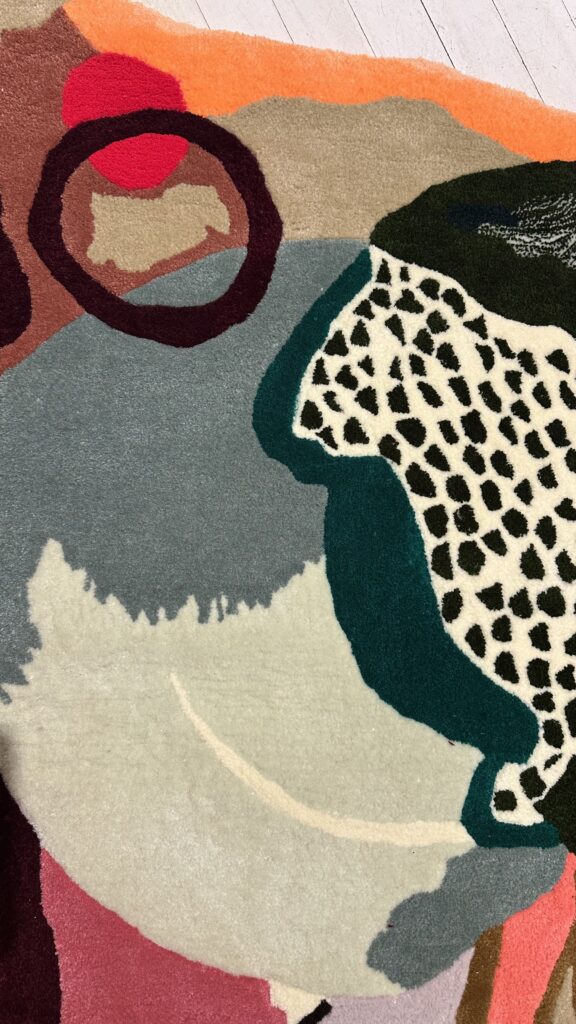
Detail of *La Forma de un Silencio/Fragmentos*, a cotton tufted tapestry by Delfina Velar de Irigoyen. Photo : Courtesy
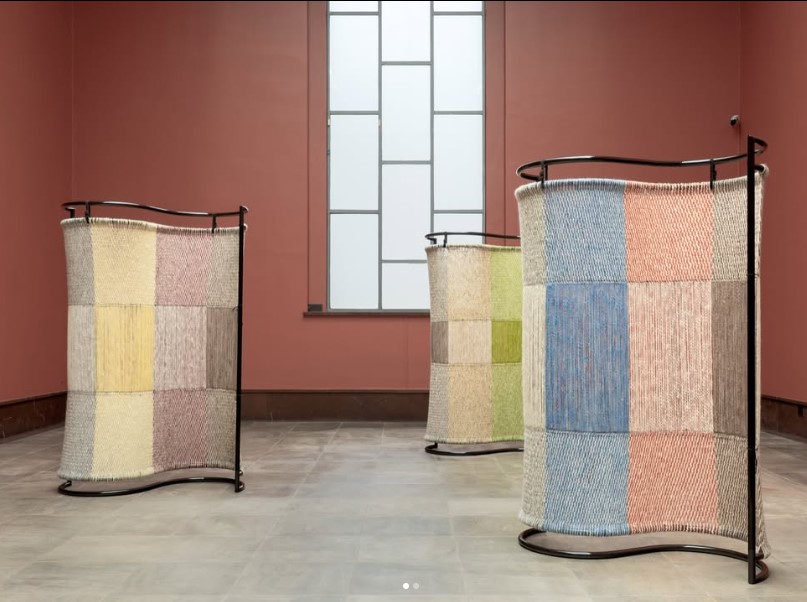
Zeroing in on modules that rearrange freely, Delfina Velar de Irigoyen’s Studio Devel presents the series “La Forma de un Silencio/Fragmentos,” a 43-by-41-inch (110-by-105-centimeter) tapestry made in cotton tufting. Alongside her, architect Dolores Mallea, of Sur del Cruz, shows a hand-carved chess set with pieces bathed in bronze. The set sums up Trazo Cero’s strategy of projecting Argentine design abroad by valuing ancestral techniques.
Craft, Architecture and Material Exploration
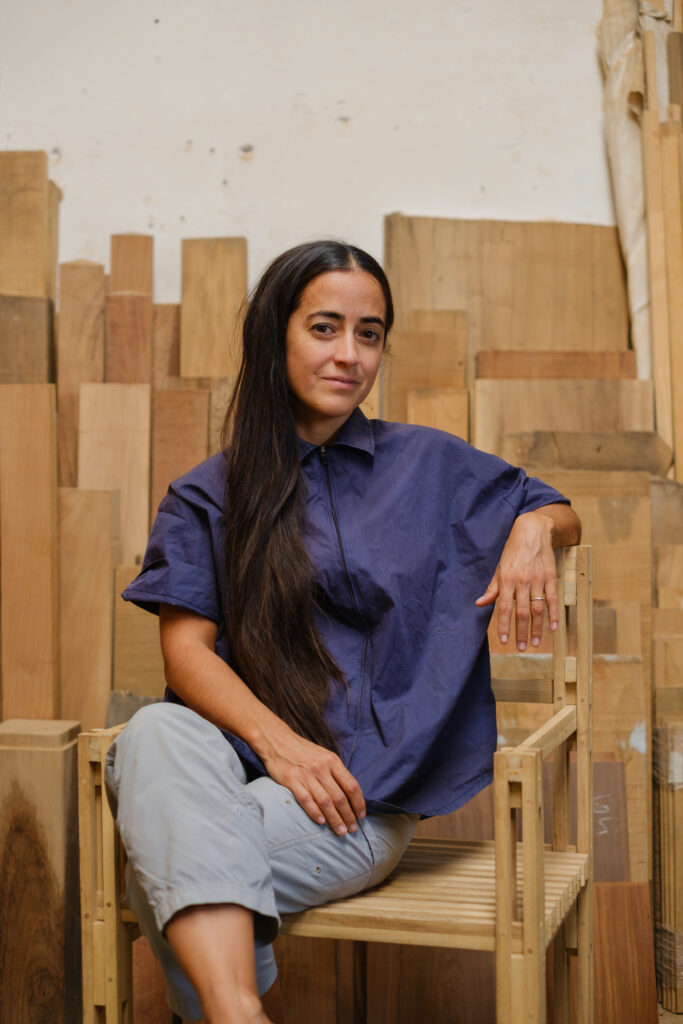
Dolores Mallea, of Sur del Cruz, in her woodworking studio in Buenos Aires. Photo : Courtesy
Architect Dolores Mallea leads Sur del Cruz, a studio-workshop whose practice brings together craft, architecture, design and art. Deeply grounded in the knowledge of wood, the studio approaches material as both a medium and a source of discovery, combining experimentation with an ongoing commitment to craftsmanship.
Through making, the practice investigates new ways of understanding, codifying and transmitting artisanal knowledge. “We think through making, exploring new ways of codifying and transmitting artisanal knowledge,” Mallea says.
For its presentation in Paris, Sur del Cruz introduces a chess set whose pieces are individually hand-carved and finished with bronze plating. The work brings together precise craftsmanship and material experimentation, reflecting the studio’s broader investigation into the relationship between traditional making and contemporary design.
Details
Trazo Cero
When: Sept. 10-19, 2026 (Trazo Cero: Sept. 10-14)
Where: Various Paris Design Week venues (Trazo Cero at Galerie Joseph, Le Marais)
Curator (Trazo Cero): Vivian Urfeig
Production: local artisans and manufacturers in Argentina
Information: @trazoceroarg, @galeriejoseph, @vivianurfeig (Instagram)