 Samuel Navarro Serpa
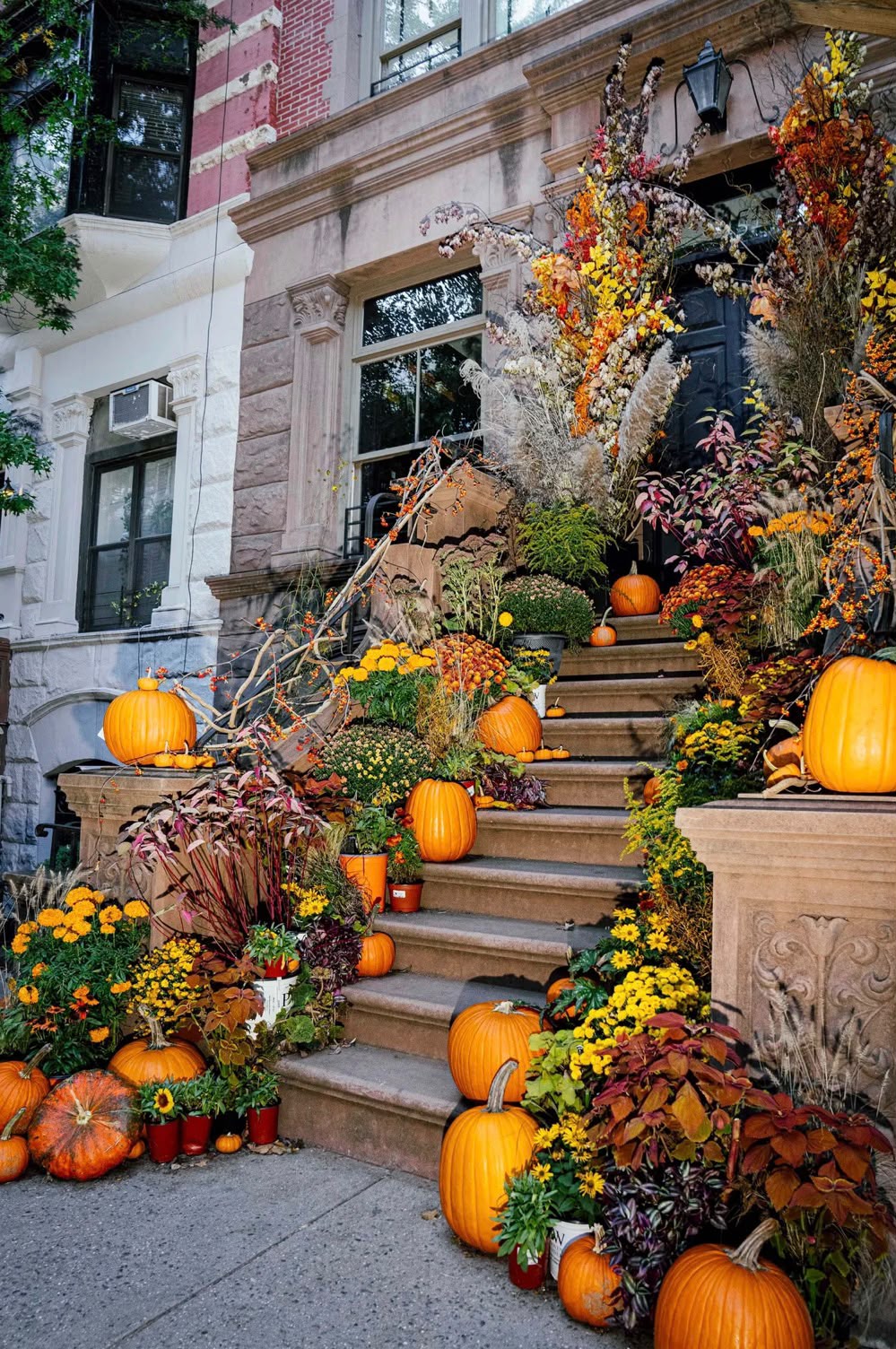
Photo: Poupay Jutharat
Lifestyle & Travel
By Fernanda Artibani
In cinematic homes across the United States and in Brazilian condominiums, the holiday is claiming space in decor, transforming facades and creating new ways to bring people together.
Who hasn’t watched an American movie and been charmed by entire streets decorated for Halloween? Houses covered in cobwebs, lit pumpkins on the steps, skeletons scattered across yards and children in costume running from door to door in search of candy. I confess I have always enjoyed the scene. For a long time, it seemed like a tradition confined to the other side of the world.
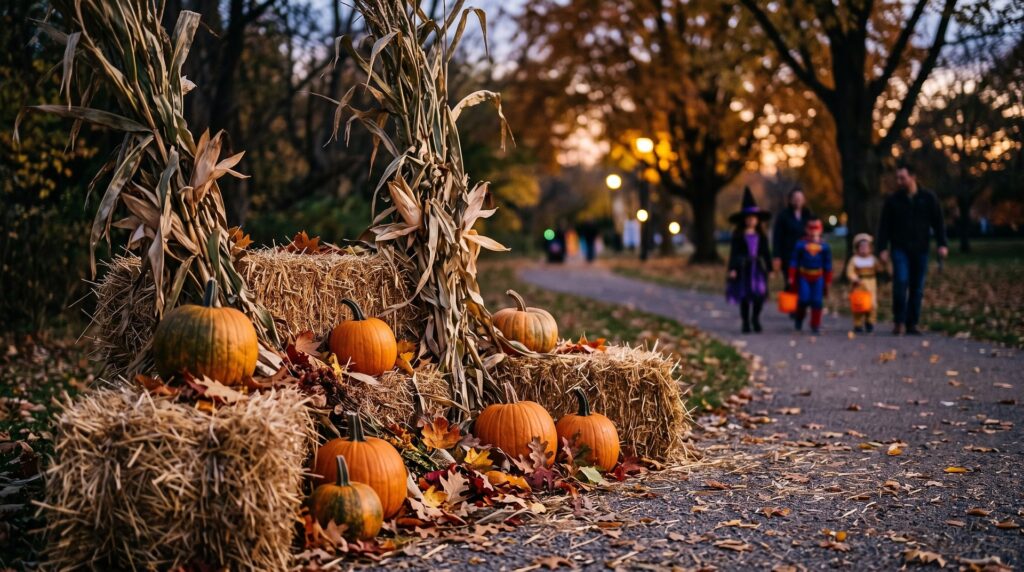
Photo: Pixabay
Well, times have changed. Halloween has landed in Brazil and, little by little, is gaining ground in homes, especially in residential condominiums. It is not only about children dressed as little witches or superheroes, but about decoration, creativity, community and a new way of looking at the spaces where we live.
But before talking about the pumpkins starting to appear here, it is worth learning a bit about the holiday’s history. Did you know Halloween was not born in the United States?
Halloween’s origins go back more than 2,000 years, to the Celts, mainly in the territory of present-day Ireland. They celebrated Samhain, a festival that marked the end of the harvest and the start of winter. It was believed that, at that time, the border between the world of the living and that of the dead grew thinner. To ward off unwanted spirits, people lit bonfires and wore disguises.

Photo: Pixabay
Over the centuries, these traditions blended with Christian celebrations, and from that fusion came the name Halloween, derived from All Hallows’ Eve, the eve of All Saints’ Day.
And here comes a curiosity I like very much: the holiday’s most famous symbol was not always a pumpkin. In Ireland, it was common to carve scary faces into turnips. When the tradition reached North America, immigrants realized pumpkins were much more abundant and easier to work with. Just like that, the icon was born!
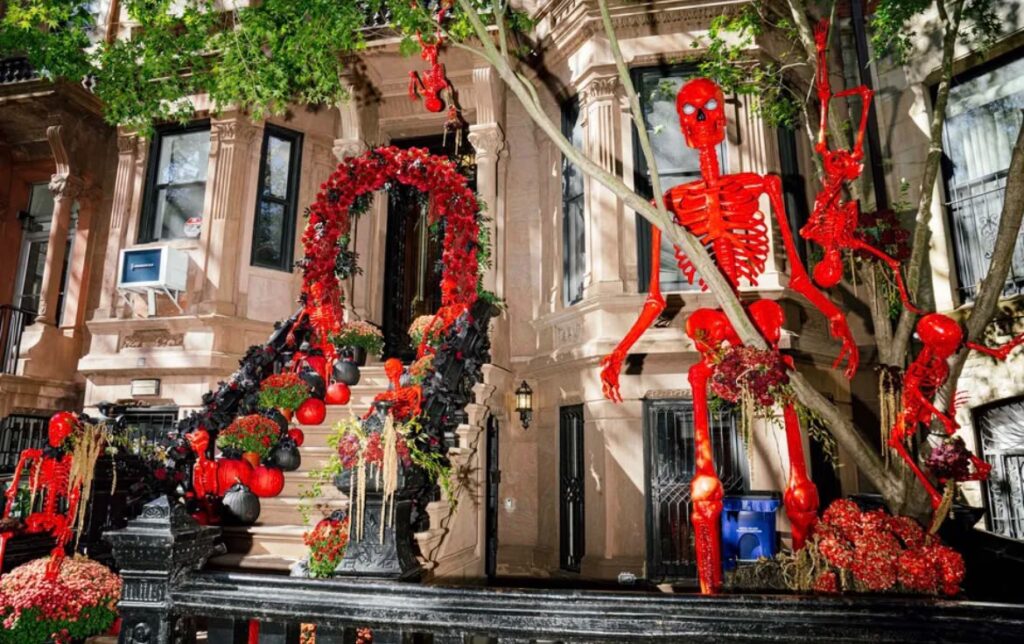
Photo: Poupay Jutharat
Incidentally, if there is a country where Halloween has taken on an almost artistic dimension, it is the United States. In cities like New York, some facades are so elaborate they look like movie sets. And that is no exaggeration. Sometimes I think Americans take Halloween more seriously than Christmas.
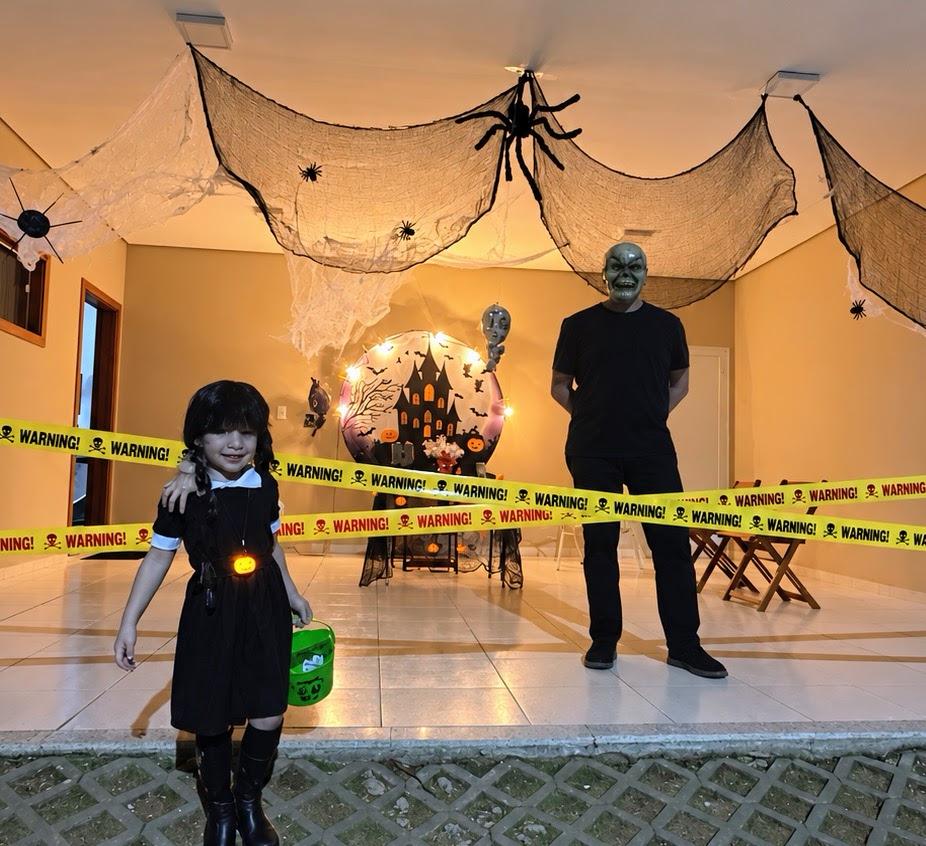
Photo: Fernanda Artibani
Halloween has the power to play with spaces. Doors become stages, hallways gain mystery, gardens receive characters and even a window can become a protagonist with the right lighting effect.
Not by chance, architectural styles such as Gothic and Victorian appear so often in this universe. Towers, arches, stained-glass windows, ornamented details and old mansions have always been present in mystery stories. Just think of the films in which a seemingly abandoned mansion makes us uneasy before anyone opens the door.
Relax, there is no need to turn your home into a haunted castle to get in the mood.
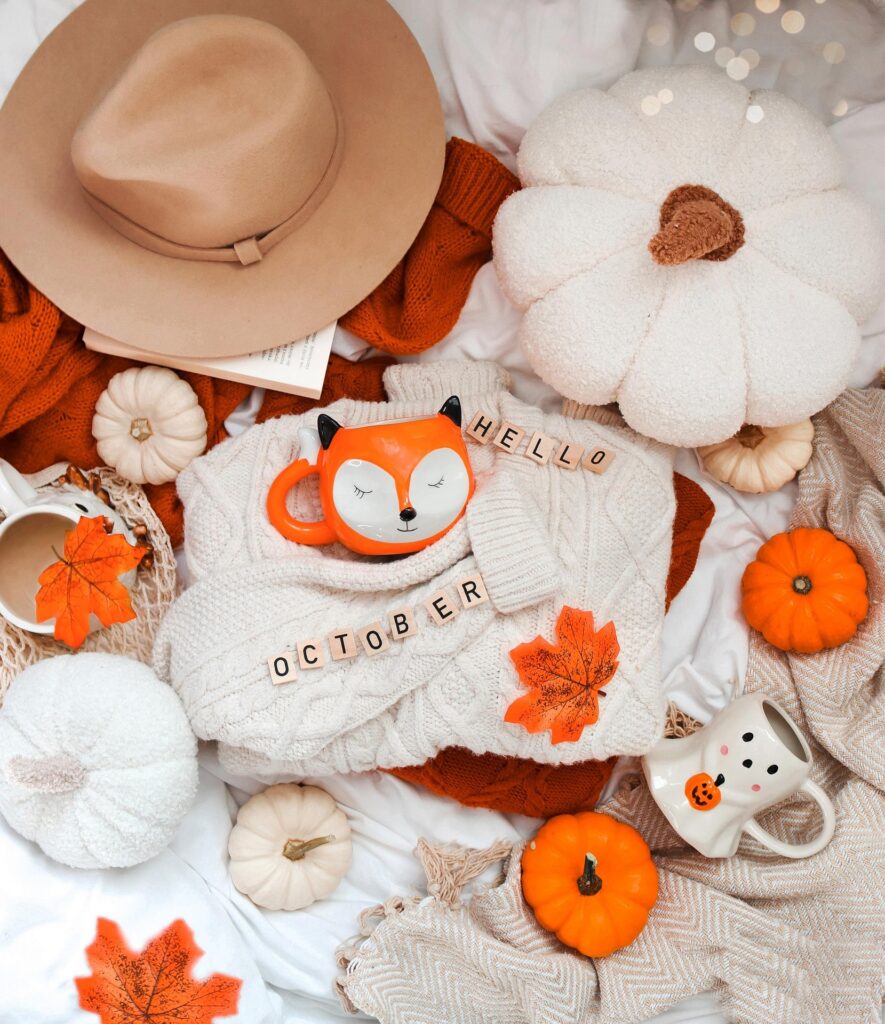
Photo: Pixabay
Elegance also has a place at the party. Decor with pumpkins in neutral tones, candlesticks, candles, dried foliage, dark fabrics and touches of aged gold creates a sophisticated atmosphere without losing the fun. For those who prefer a bolder approach, black, orange, purple and red remain classic choices.
There are no rules. You can bet on the scary, the fun, the minimalist or even the romantic, because decorating is also a way of expressing personality.
While Americans have been polishing their facades for generations, we Brazilians have found a very particular way to incorporate this tradition: condominiums.
I have observed how Halloween is no longer just a party at English schools or themed events and is becoming a true family program. In many condominiums, residents organize themselves, decorate their doors, agree on times and prepare sweets to welcome the children.
Some hold decoration contests; others organize parties in common areas; still others see families simply get into the spirit of the game and head out together for the traditional “trick or treat.”
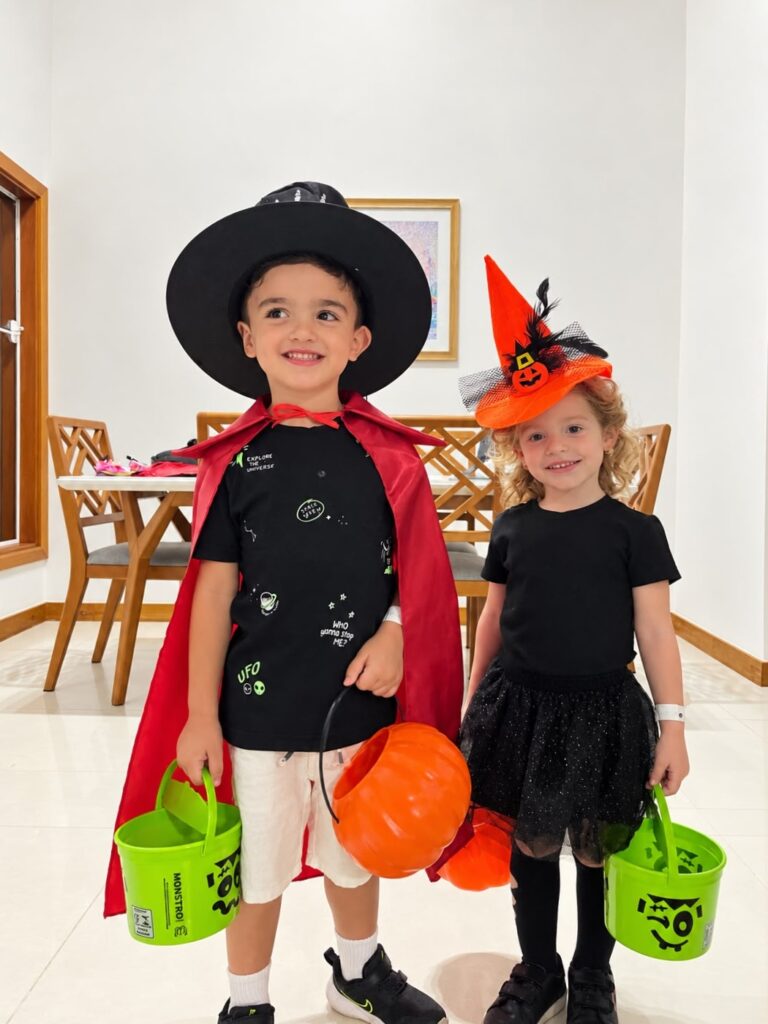
Photo: Fernanda Artibani
Let’s be honest: is there anything nicer than watching excited children choose costumes, prepare their little bags and count down the days to the party?
What is most interesting is that this movement is backed by numbers. A survey released by Globo in 2025 found that 33% of Brazilians polled planned to celebrate Halloween. Among consumers in classes A and B, the figure reached 50%. Meanwhile, 29% of participants planned to decorate the house or, at least, the door.
In other words, the holiday that once seemed so distant is already part of our emotional calendar.
For me, this is where the story gets even more beautiful.
We live surrounded by technology, apps, deliveries and so many conveniences that we sometimes go days without talking to the person next door. In many buildings, we know our neighbor’s apartment number but not their name.
Suddenly, Halloween arrives and everything changes for a few hours.
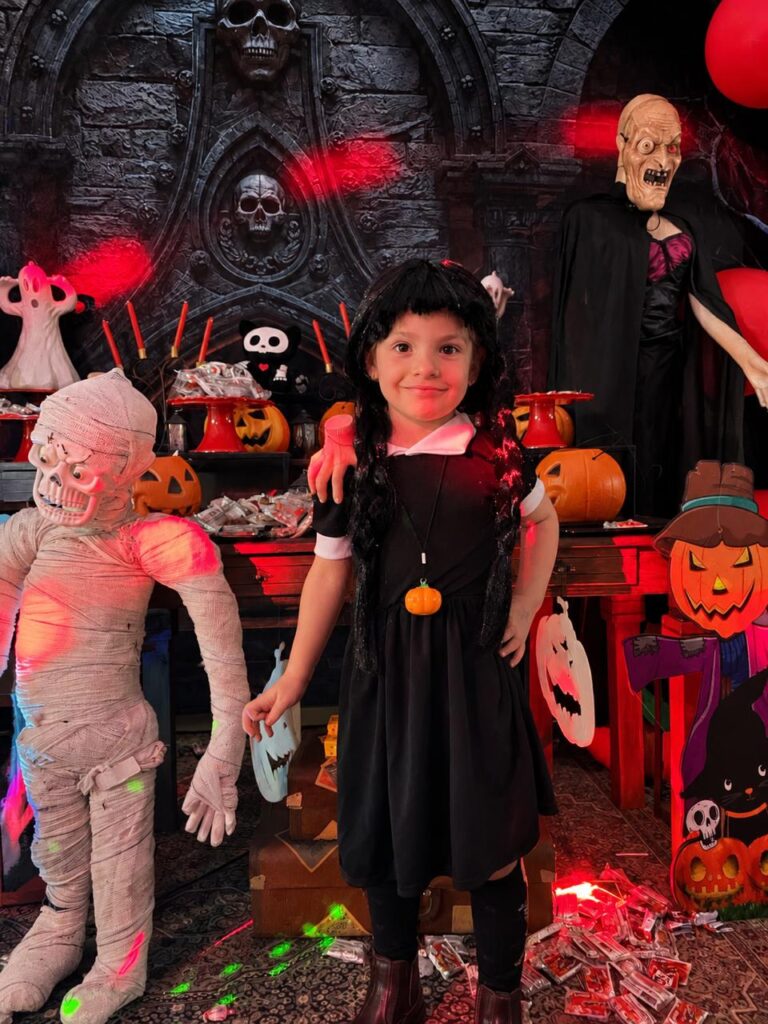
Photo: Fernanda Artibani
A door that normally stays closed gets a fun decoration. A family prepares a basket of candy. Children ring the bell, adults chat, someone compliments another person’s costume and, without realizing it, everyone begins building small shared memories.
Of course, Halloween is not part of our oldest traditions. I believe, however, that one culture does not need to exclude another. We can value our stories and, at the same time, allow ourselves to discover new ways of celebrating.
Perhaps that is what delights me most about this trend. It is not just the elaborate decorations, the scary characters or the beautiful photographs. It is seeing how a celebration can give new life to spaces and bring people closer.
At bottom, architecture and decoration have always been about this: creating environments where life happens.

Photo: Pixabay
And if a simple lit pumpkin at the door can bring smiles, good conversations and happy memories to the little ones, why not join in the fun?
After all, the only truly scary thing is the idea of letting such a fun opportunity to create good memories pass by.
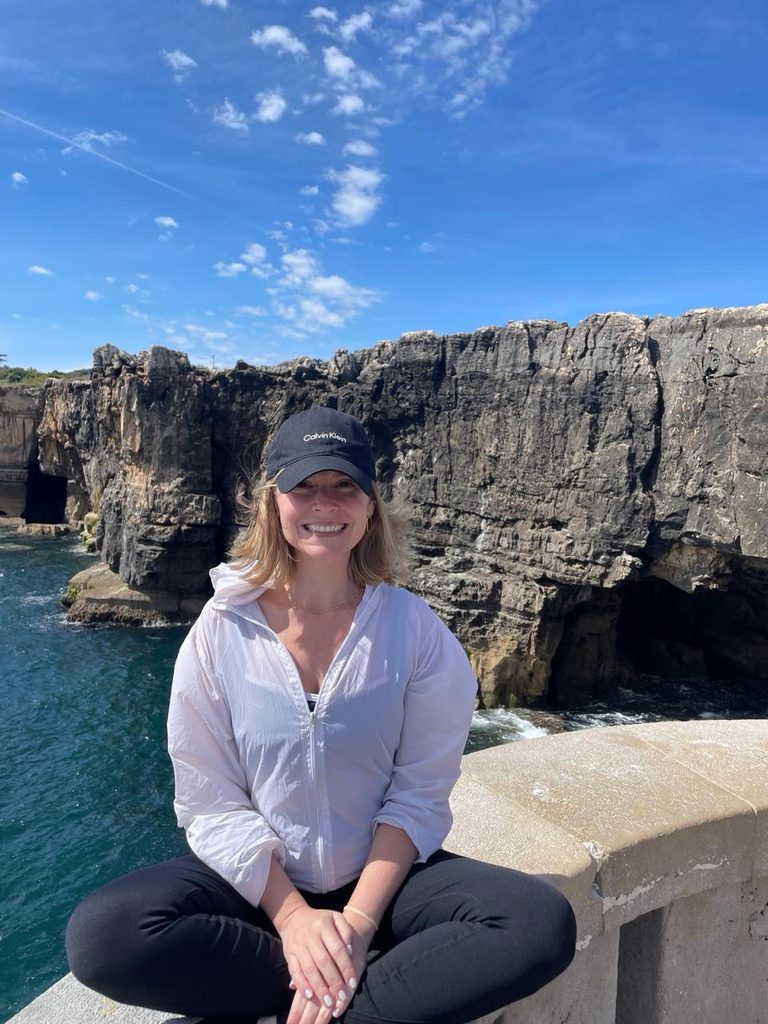
Fernanda Artibani
Lifestyle & Travel Columnist | Arch Gallery & Design Magazine