 Serpa
Serpa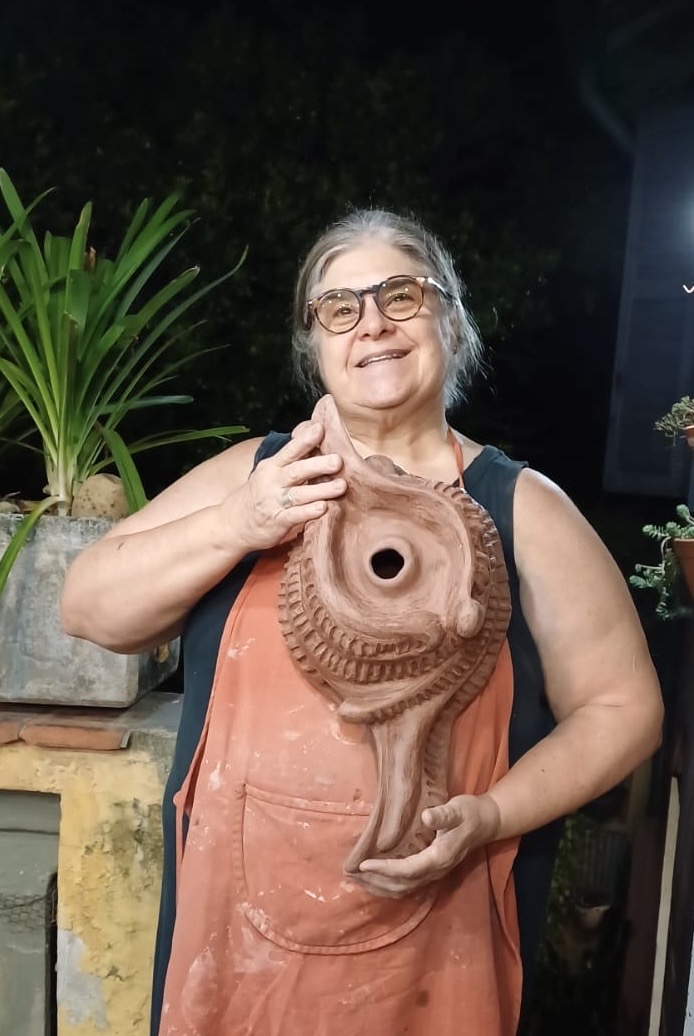
The poetry of clay that connects past, present and nature
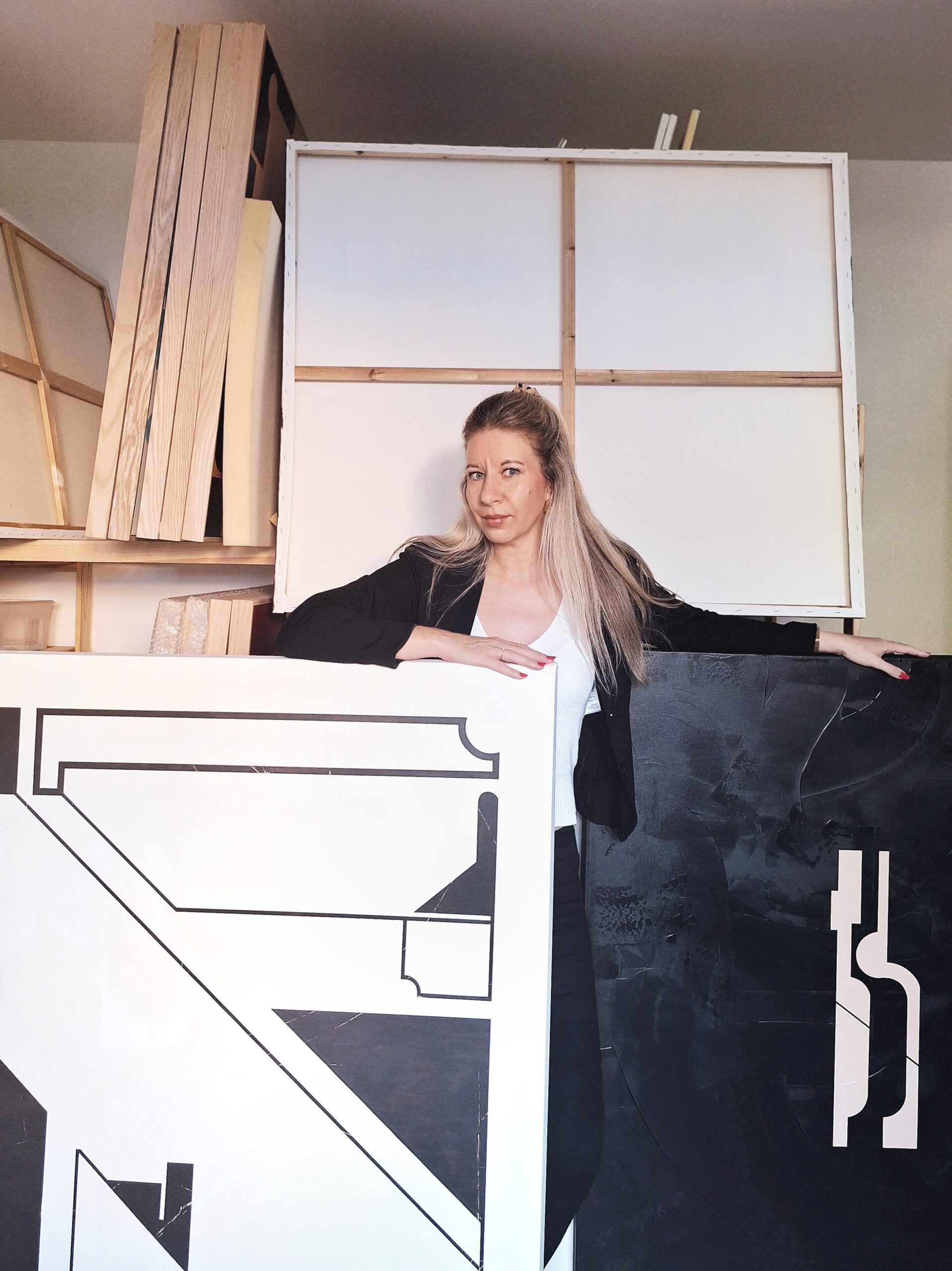
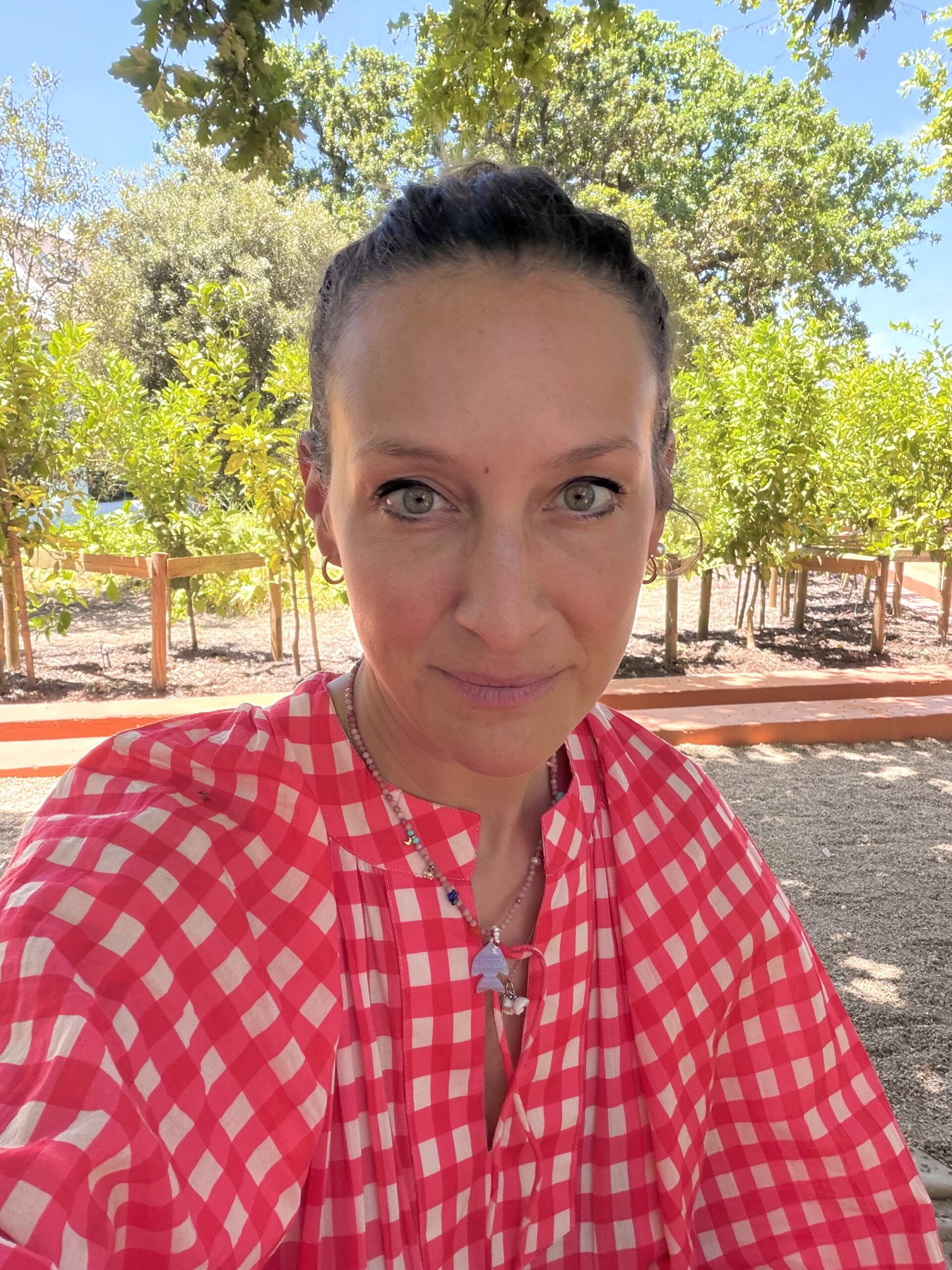
A graphic designer by training, Pernambuco native Rosalva Siqueira transformed manual labour into an artistic mission more than two decades ago. In 2017, she founded La Lamaria Cerâmica, a 100% handmade studio in Vila Madalena where she develops all stages of the creative process, from modelling to firing, democratising access to her creations through reproduction in plaster moulds.
With pieces of unique identity, full of organic textures and shapeless forms, the artist explores in her work the connection with nature and northeastern culture. Her ceramics evoke memories of fruits, sea barnacles and corals that populated her childhood between the beach of Recife and the Pernambuco hinterland. ‘Pernambuco inspires me with its rich stories, which I keep in my memory and multiply in my craft as a mission,’ she says.

The studio in the bohemian heart
Vila Madalena established itself as an alternative cultural centre in the 1970s, when students from USP transformed the neighbourhood into a bohemian and artistic stronghold. In the 1970s and 1980s, cheap rents attracted hippies, intellectuals and artists, making the local bars meeting points for the São Paulo cultural scene.
Today, the neighbourhood in the west of São Paulo is known for its bohemian atmosphere, vibrant cultural life and complete infrastructure, with tree-lined streets that are home to bars, restaurants, art galleries and shops. In 2022, Vila Madalena was voted one of the coolest neighbourhoods in the world by Time Out magazine, reinforcing its artistic vocation.
It is in this creative territory that Rosalva maintains her studio, integrated into the neighbourhood’s effervescent scene of galleries and cultural spaces. The artist has participated in collective exhibitions, both nationally and internationally.

Philosophy and technique
The ceramist works with firing at different temperatures and explores techniques such as raku, developing pieces that question human imperfection and environmental impact. ‘It is inevitable that these materials will return to nature, but is there a limit to their germination?’ she asks in her artistic manifesto, reflecting on transformation and impermanence.
Rosalva Siqueira represents a generation of artists who are reviving ancestral ceramic techniques, infusing them with contemporary questions and a deep connection to Brazilian cultural identity.