 Serpa
Serpa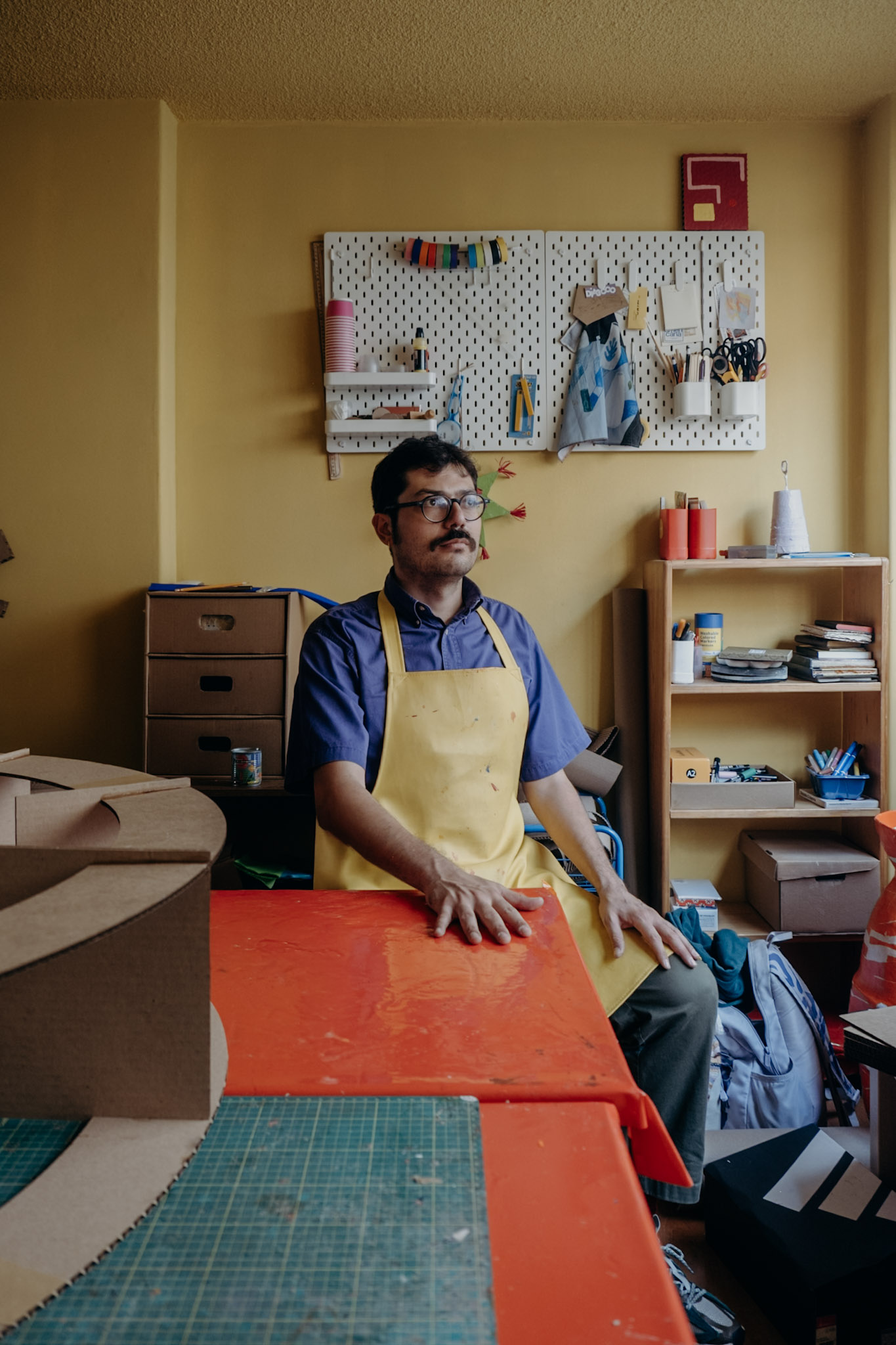
Juan Pablo Lascurain
Paper sculptures celebrate impermanence and challenge the monumentality of traditional art
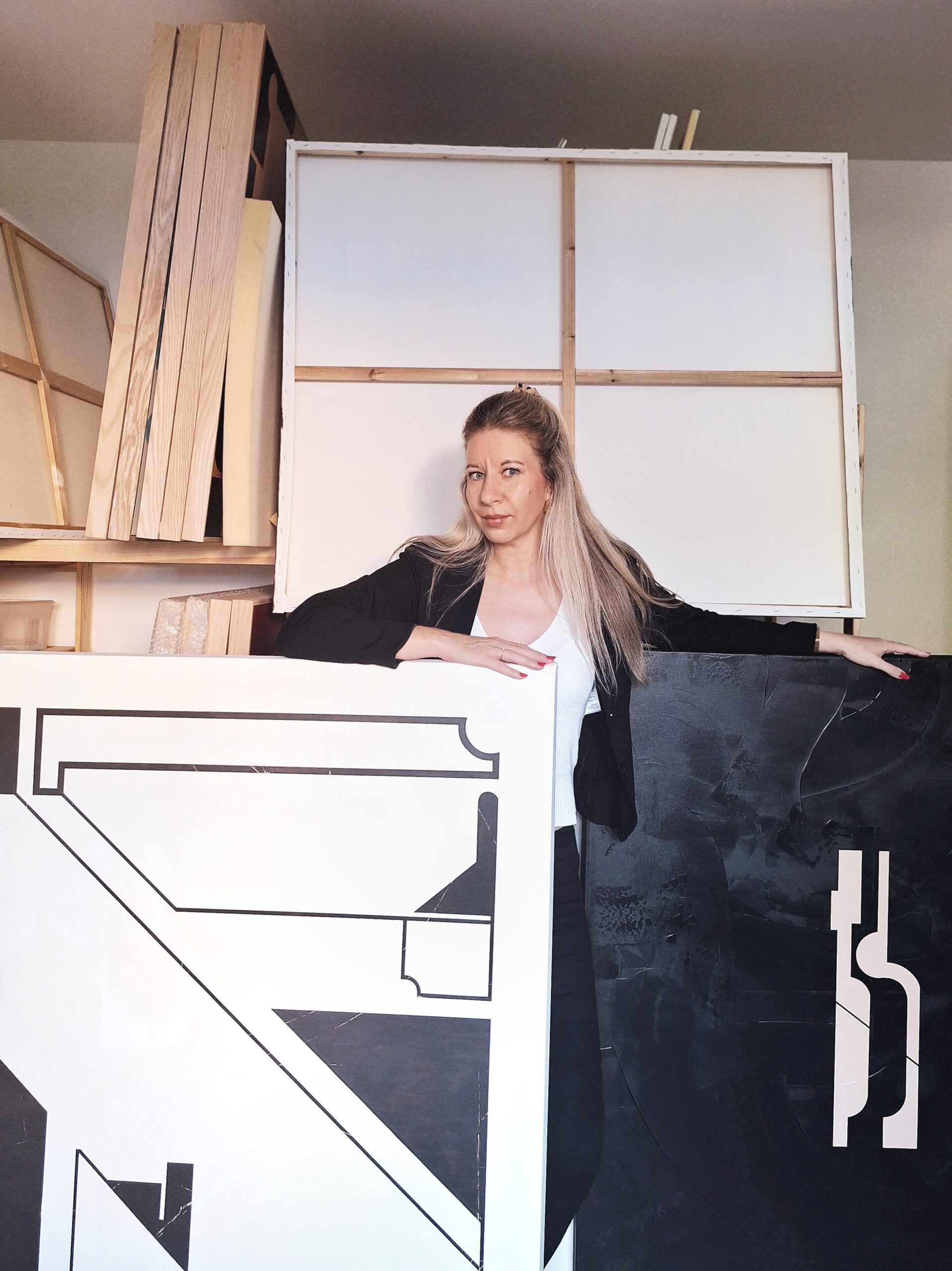
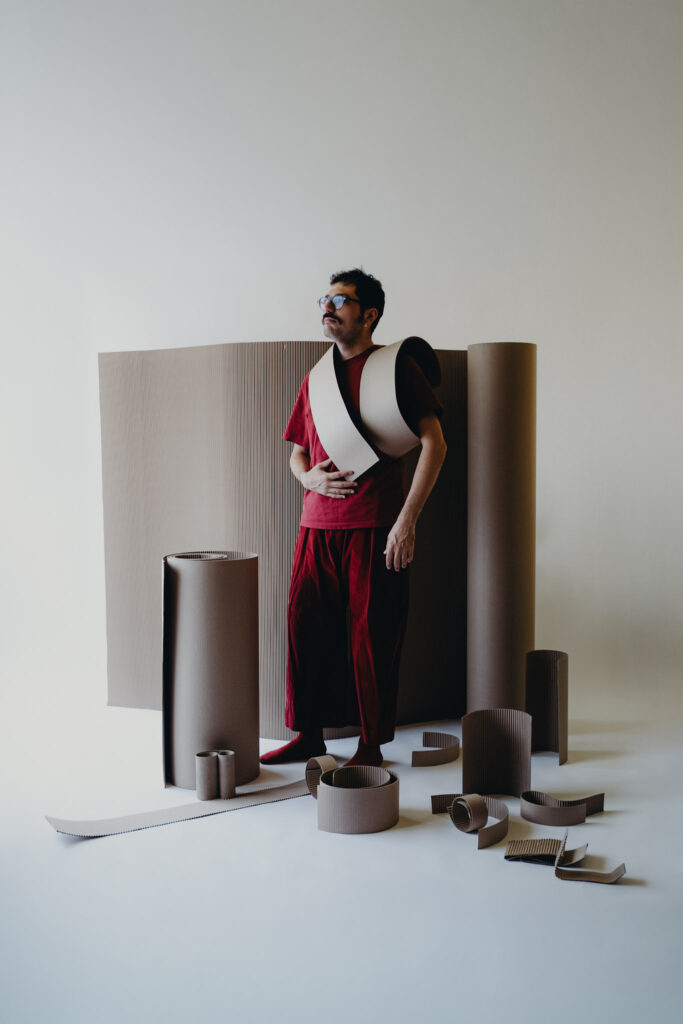
Architect Juan Pablo Lascurain, 34, born in Guadalajara, Jalisco, created Mugak, an artistic project that redefines Mexican traditions through sculptures inspired by the piñata. The name, which comes from Euskera — the Basque language spoken in the Basque Country, a region between Spain and France — means “limits” and synthesizes the conceptual proposal of the work: exploring boundaries between disciplines, questioning cultural barriers, and investigating the contrast between form and void.
Juan Pablo Lascurain
The choice of a Basque word to name a Mexican project is not accidental. Euskera is considered one of the oldest languages in Europe and has no proven relationship with any other known linguistic family, a characteristic that makes it unique and isolated. This particularity directly dialogues with Lascurain’s proposal: just as the Basque language defies conventional classifications, Mugak challenges the established limits between popular and contemporary art, between childhood and maturity, between tradition and innovation.
The project was born from the artist’s multiple creative concerns, who, although trained as an architect, sought to express himself through other means. Lascurain develops works inspired by his cultural environment, popular traditions, colors, everyday objects, and daily life. It is a vision of Mexican traditions understood in an abstract and contemporary way, which elevates what seems irrelevant and finds a place and moment for common objects to be admired.
From childhood to maturity
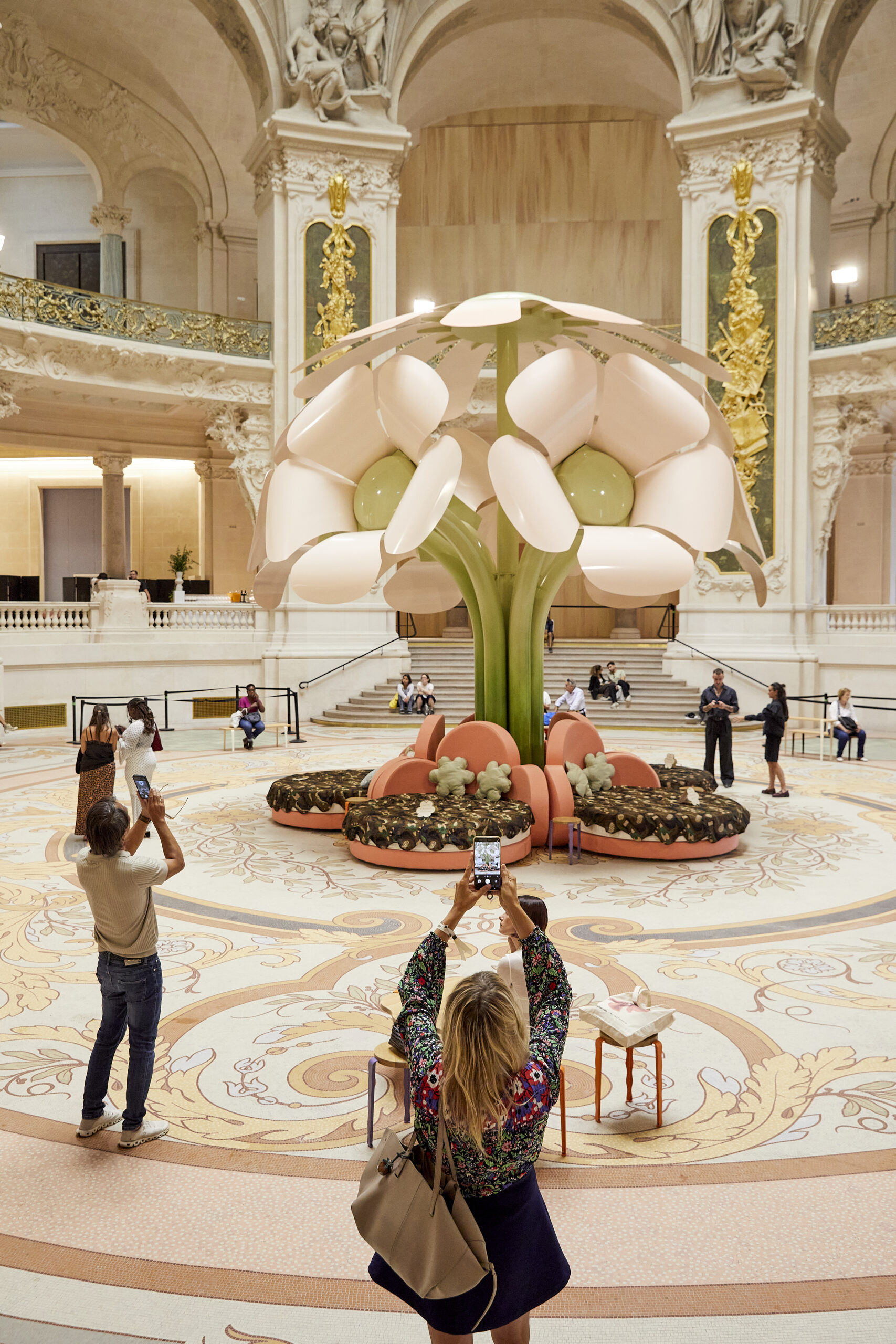
The central element of Lascurain’s explorations is the piñata, a paper object present in Mexican celebrations, especially children’s parties. The artist proposes taking it from childhood and bringing it into adult life, from a more mature and nourished place. The piñata is understood not only as a toy but as an almost ritualistic element of celebration, loaded with cultural symbolism.
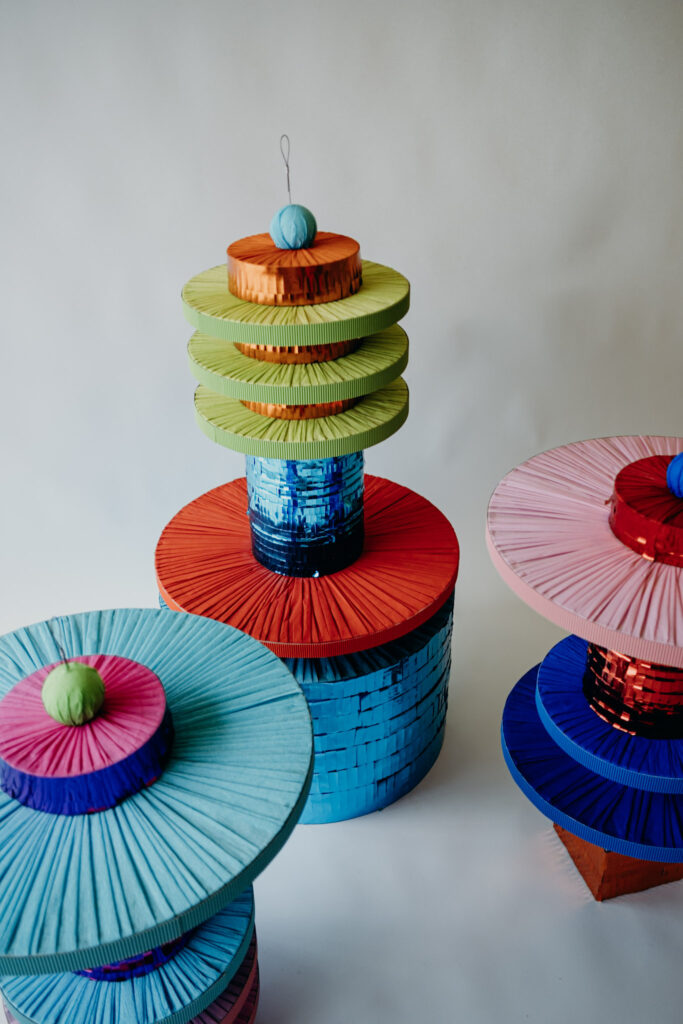
Beyond being focused on form, the works revolve around this redefinition. The sculptures emerge from curiosity, from the contrast between figure and void, from contemplation and observation. More than a manifesto, they are an invitation to reflect on traditions and their permanence in contemporary times.
The concept of “limits” permeates all the work. First, there is the exploration of creative boundaries: Mugak moves between architecture, art, design, and popular tradition, challenging rigid classifications. Second, it questions cultural limits by transporting the piñata — a traditionally childish object — into the adult and contemplative universe. Third, it works with physical and visual limits: the sculptures investigate precisely the boundaries between figure and void, full and hollow, form and absence.
Creative process and collaborations
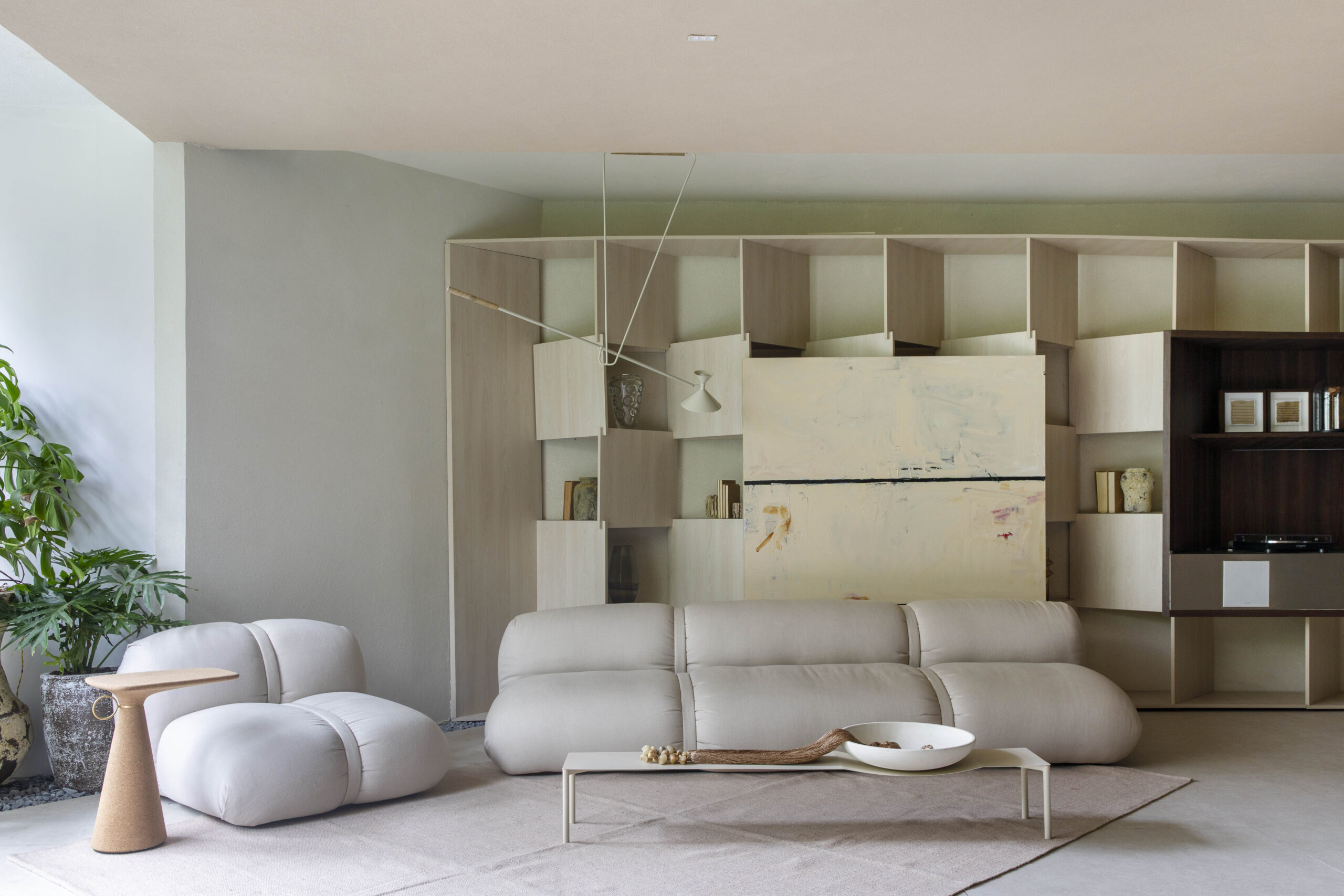
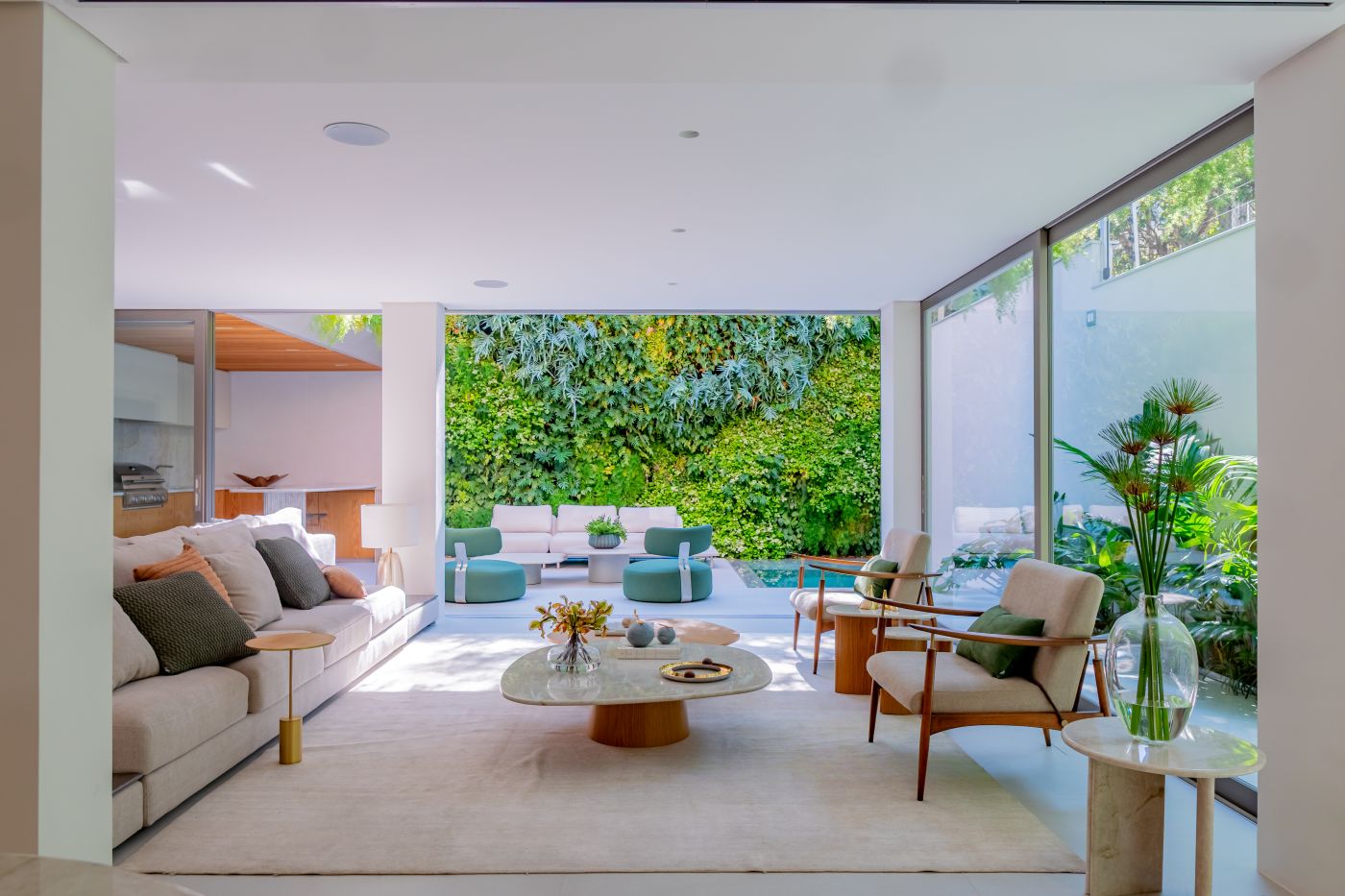
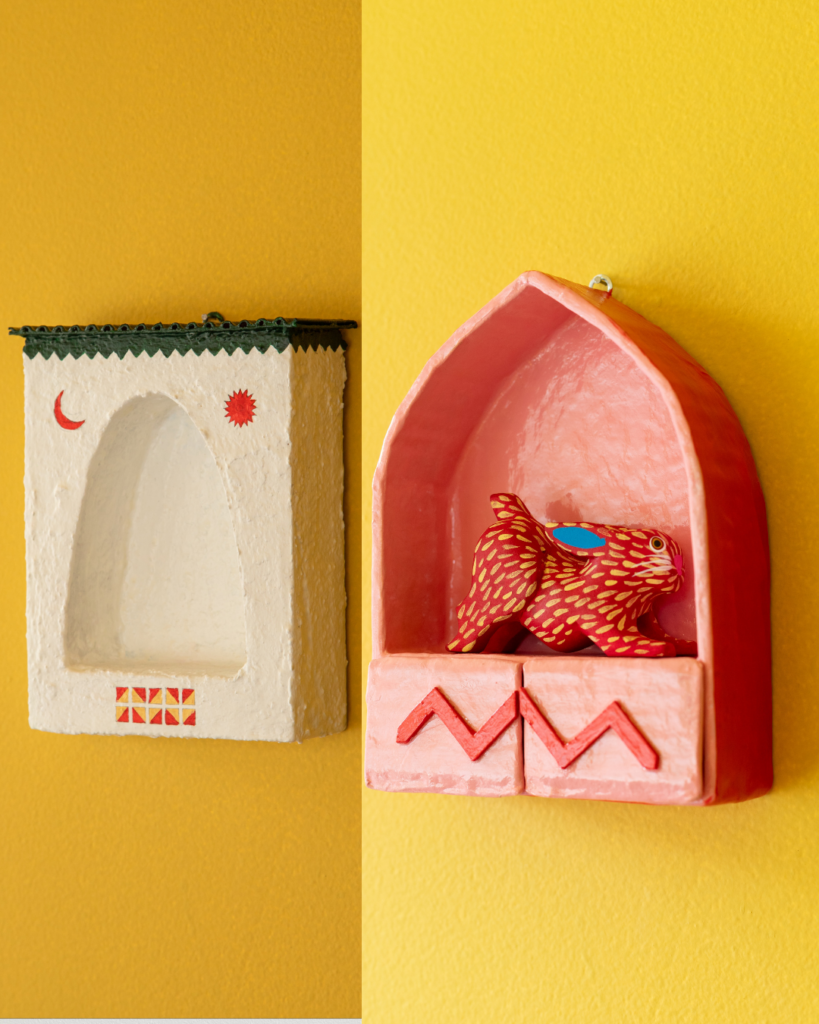
Lascurain has had the opportunity to participate in multiple projects alongside interior designers and other professionals, in which the pieces are sought to have a strong connection with the space. He uses different techniques according to the needs of each project. He creates commissioned pieces made and inspired directly by the dialogue with the surrounding environment.
This site-specific approach reveals the artist’s architectural training, who thinks of works in relation to the space they occupy. Each sculpture is conceived considering light, proportions, materials, and the function of the environment, creating an integration between art and architecture.
The artist describes that, in the plastic search for the formal, he discovered with surprise how this directly influences his emotions. “I consider that, although the search is visual, the result is emotional,” he states. This perception reveals an additional layer of the work: although the pieces are visually impactful and formally elaborate, their deeper effect operates in the affective field.
Error as part of the process
When talking about his work, Lascurain likes to say that he does it while learning and having fun. He enjoys the process and is excited to understand that living life as an artist is what finally makes him one. This posture reveals a detached and experimental approach, in which artistic making is inseparable from daily life.
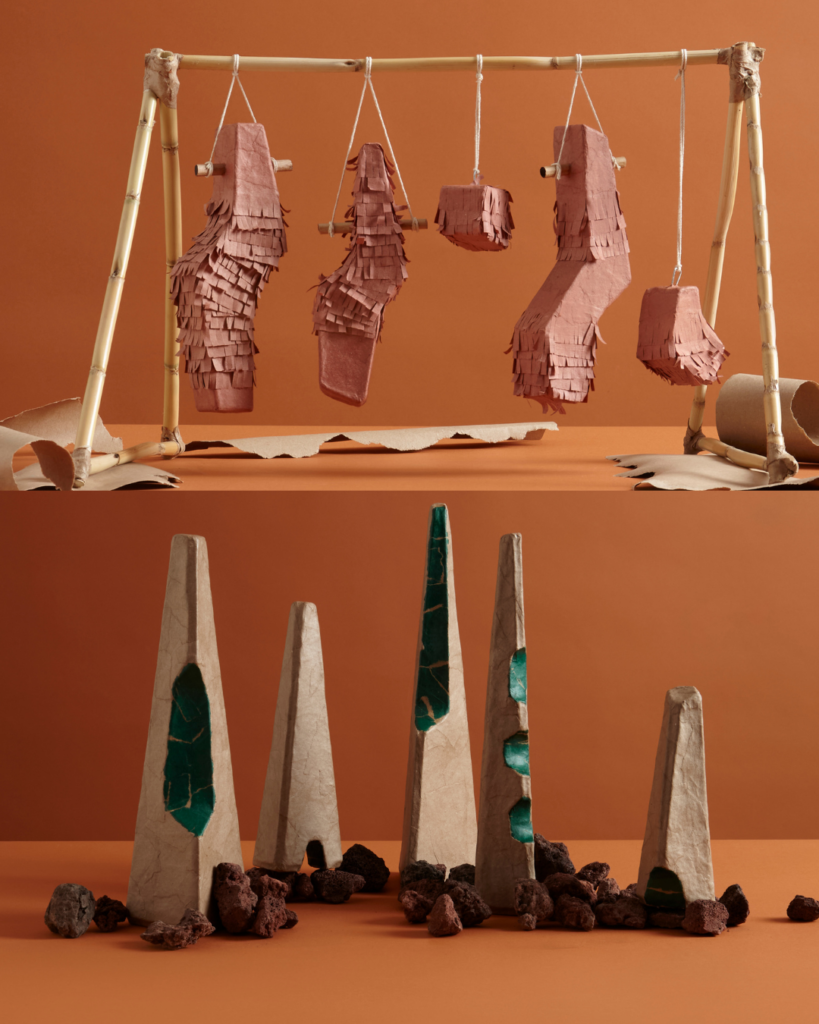
The artist invites exploration and proposes understanding that error is a fundamental part of the creative process. He constantly seeks new formats and thinks that what defines the work are its own limits — thus returning to the founding concept of the project. Limits are not restrictions, but reference points for exploration, markers that guide without rigidifying.
Tradition and contemporaneity
Mugak is part of a broader context of contemporary artists who revisit Latin American popular traditions. By elevating the piñata to the category of sculpture, Lascurain questions established hierarchies between popular and high art, between craft and artwork.
The pieces dialogue with the rich Mexican artisanal tradition — which includes alebrijes, papel picado, ceramics, and weaving — but transport it to a contemporary, abstract, and conceptual visual vocabulary. It is not about folklorizing traditions, but about updating them, demonstrating their vitality and relevance.
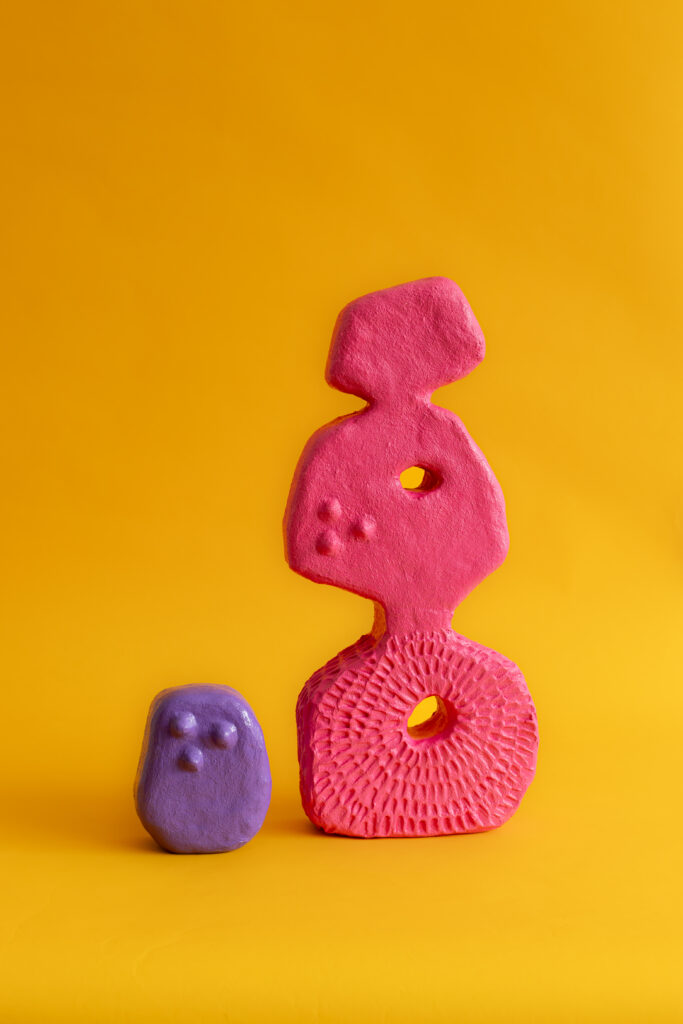
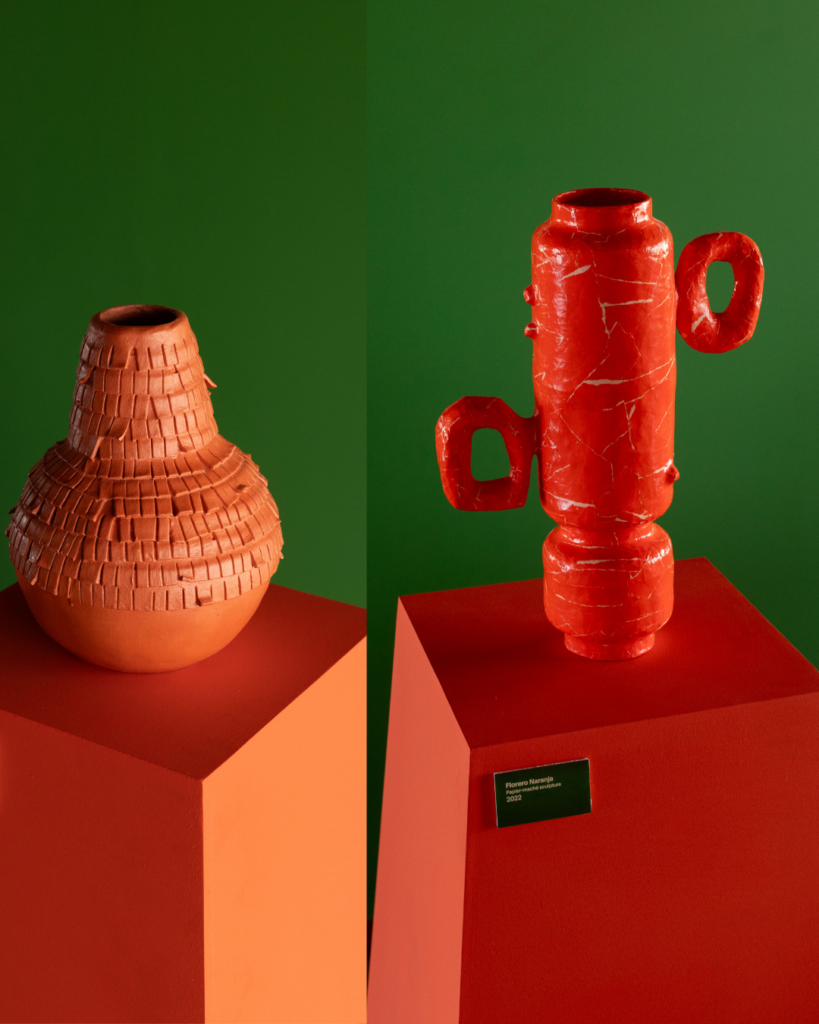
The use of paper, an ephemeral and fragile material, also carries meaning. In contrast to the monumentality and permanence associated with traditional sculpture, Lascurain’s works celebrate impermanence, lightness, and transformation. They are objects that exist on the threshold between the lasting and the transitory, between solidity and fragility.
Mugak thus represents a bridge between past and present, between tradition and innovation, between Mexico and the world. The Basque name for a Mexican project, the piñata transformed into sculpture, architecture applied to art: everything in Mugak speaks of crossed borders, expanded limits, explored possibilities.
Instagram: https://www.instagram.com/muga___k/