 Samuel Navarro Serpa
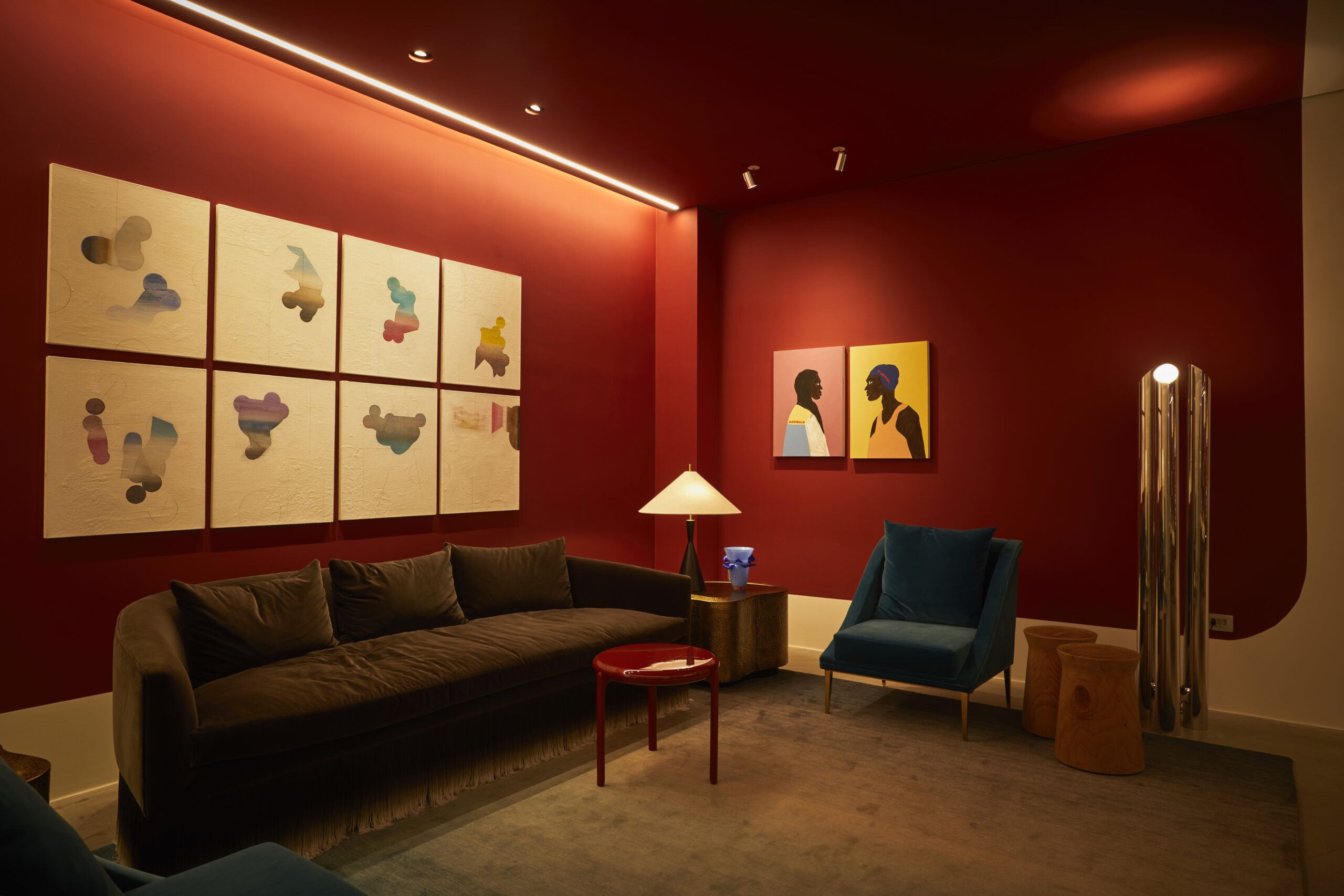
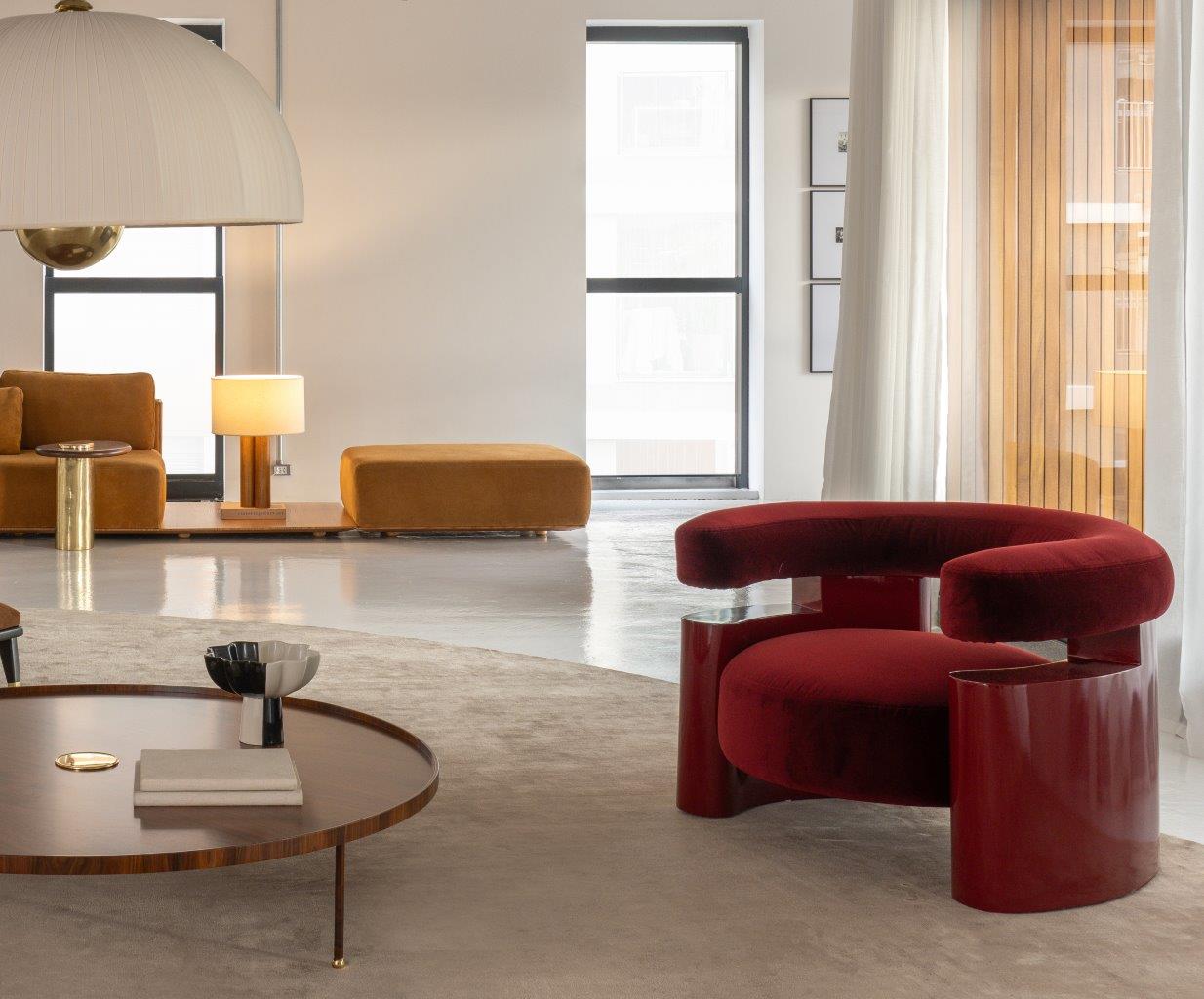
In contemporary interior architecture, the boundary between living spaces and cultural institutions is dissolving. Today, luxury is no longer defined by opulence or transient trends, but by curatorial intent. Modern homes are shifting from mere residential spaces to becoming living archives of personal identity, where every corner reflects a deep appreciation for art and spatial harmony.
This evolution marks a profound shift in how we experience our daily surroundings, turning the domestic environment into a canvas for elevated lifestyle expression.
Contemporary Interior Architecture: Curating the Home as an Art Gallery
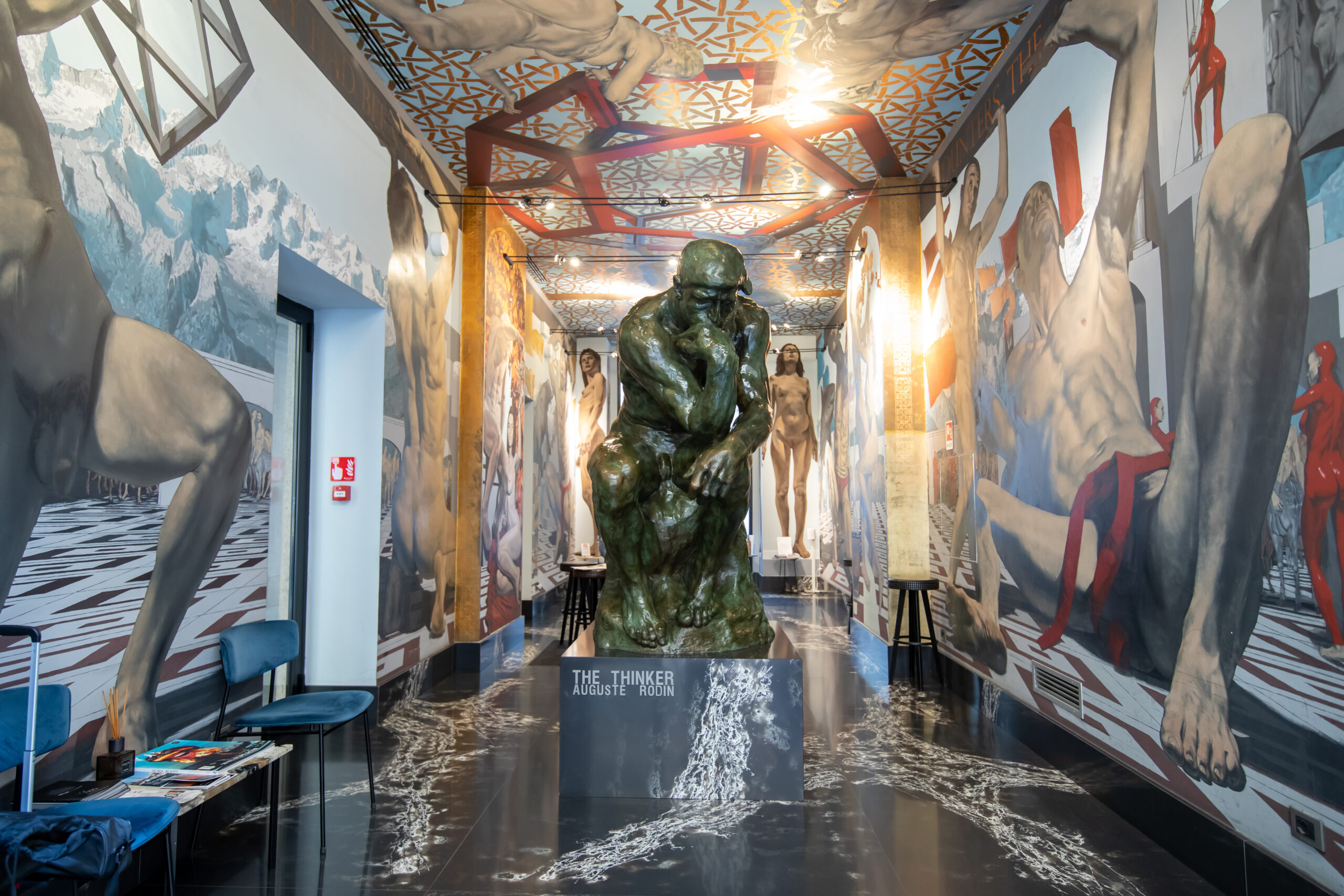
For architects and designers, contemporary interior architecture now begins with a simple question: what will this room hold? Floor plans are drawn around a monumental sculpture, a wall is left blank for a canvas, and a niche is calibrated to the exact proportions of a collectible vase.
This dialogue between space and object requires close collaboration among architects, gallerists, and artisans from the earliest sketches. Lighting, acoustics, and circulation are resolved at the same time, so nothing competes with the art. The result is a home that feels composed rather than decorated, where each material, sightline, and piece of furniture reinforces a single, coherent narrative about the people who live there.
Blending Structural Minimalism with Collectible Art
Achieving the “art gallery” atmosphere requires a masterful exercise in restraint. Architects are prioritizing clean lines, expansive volumes, and concealed functional elements. By reducing visual noise, the architecture serves as a quiet backdrop that allows collectible design pieces to take center stage. It is a philosophy where the space itself breathes, creating a museum-like experience that remains inherently liveable.
Lighting as an Architectural Material
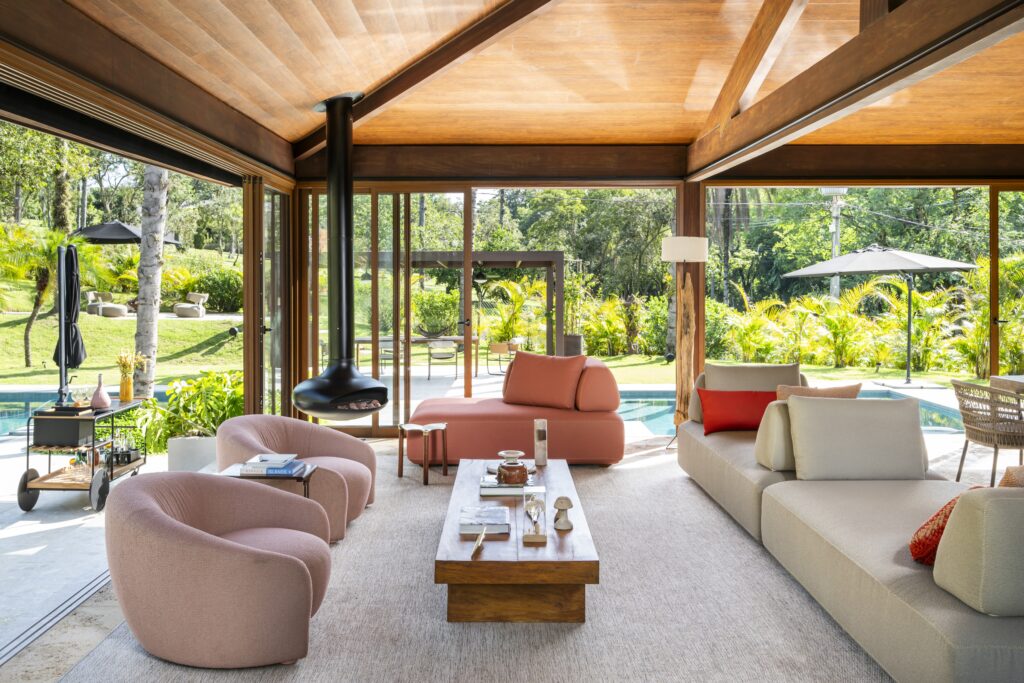
In gallery-inspired homes, lighting is treated with the same precision as a physical structural element. The focus is shifting away from traditional decorative fixtures toward architectural, museum-grade track lighting and strategically placed skylights. Natural light is diffused to wash over raw walls, highlighting the textures of both the canvas and the architecture itself.
Materials that Remember: Tactile Architecture and Organic Elements
As the world becomes increasingly digital, the physical spaces we inhabit are responding with an emphasis on extreme tactility. The trend toward raw, honest materials is a testament to the desire for grounding and permanence in modern lifestyle.
- Raw Textures: Unrefined concrete, textured plaster, and brushed stone are replacing glossy finishes, adding a sensory layer to minimalist geometries.
- Organic Metals: Patinated bronze, brushed brass, and raw aluminum are being utilized in bespoke cabinetry and structural details, aging beautifully over time.
- Bespoke Ceramics: Handcrafted tiles and architectural ceramic installations are introducing a human, artisanal touch to high-end residential projects.
Global Spotlight: The Narrative Power of Contemporary Brazilian Design
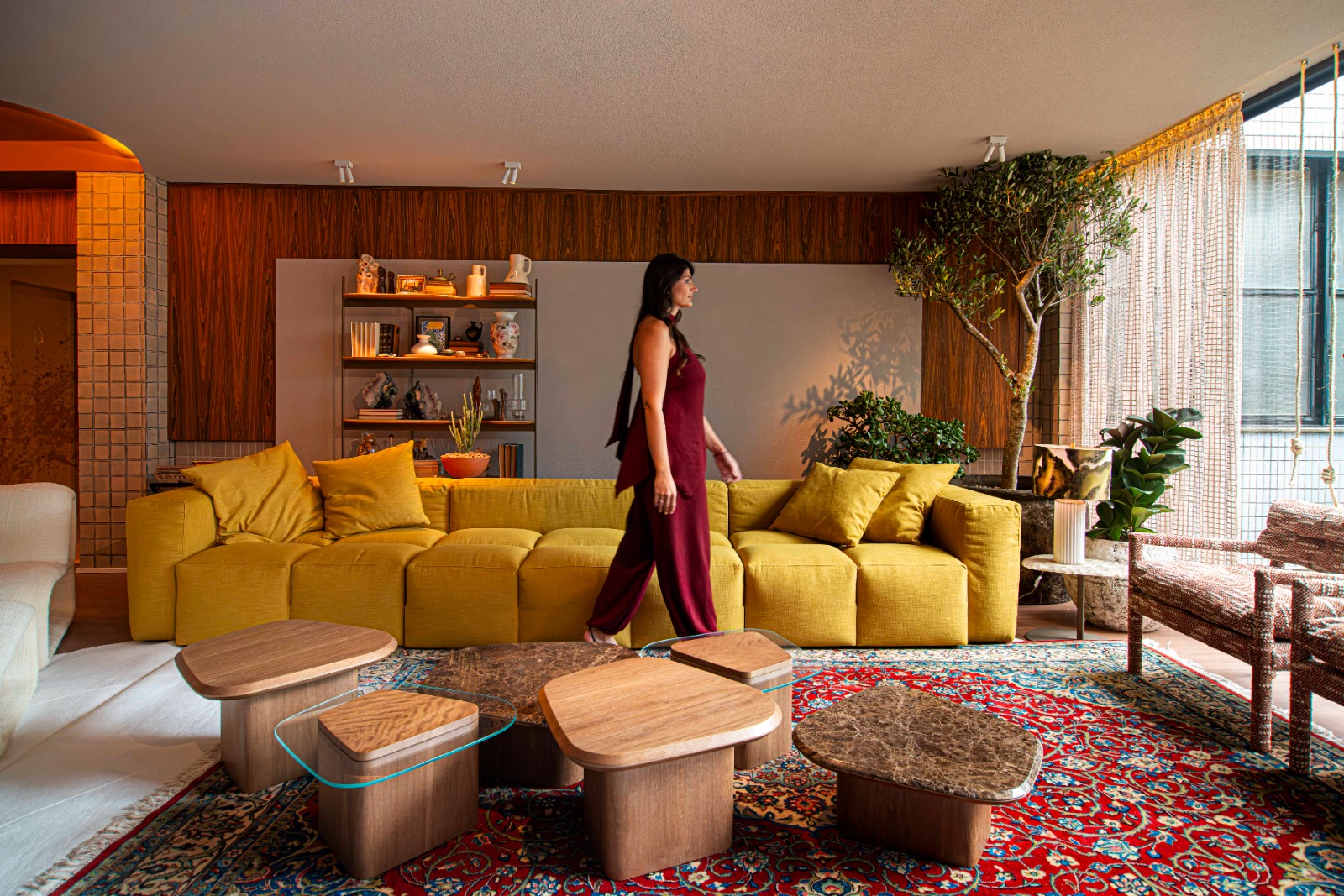
One cannot discuss the intersection of art and architecture without highlighting the profound global impact of Brazilian design. Characterized by its masterful use of native woods, sensual curves, and a deep-rooted connection to modernist principles, contemporary Brazilian furniture brings an unmatched narrative warmth to international interiors.
Pieces by both mid-century masters and rising contemporary creators act as functional sculptures. They ground minimalist, global spaces with a sense of tropical soul, rich heritage, and structural elegance, making them highly coveted in curated residences worldwide.
Crafting Spaces with Identity in Contemporary Interior Architecture
The future of contemporary interior architecture lies in the rejection of mass-produced aesthetics in favor of deep customization. A well-designed space does not just shelter; it tells a story of global travel, cultural curiosity, and artistic appreciation. By merging architectural precision with a gallery-grade curatorial approach, we shape environments that inspire the mind and elevate the daily human experience.
To explore the archive project, visit Vinicius Siega’s website.