 Serpa
Serpa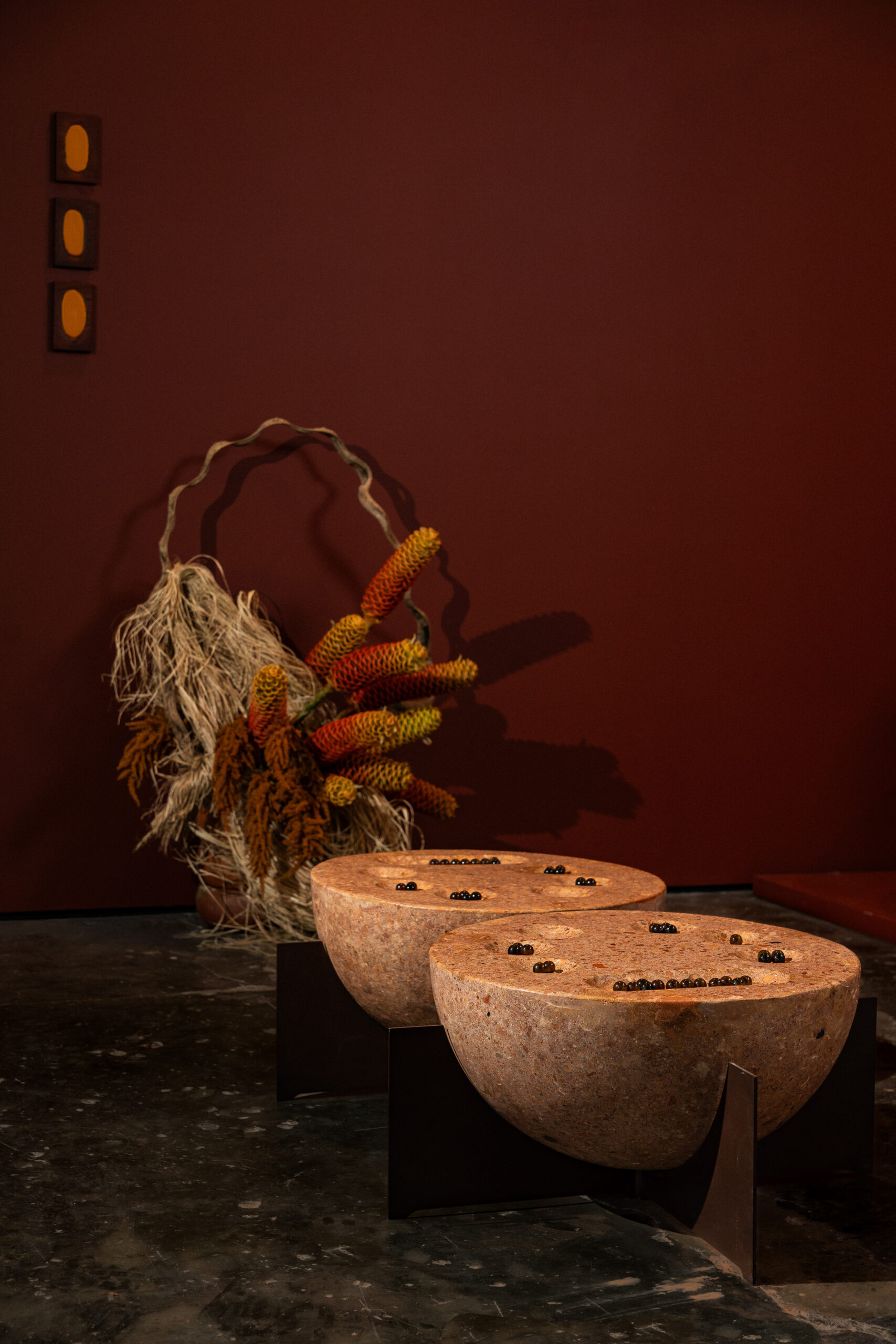
Assimply uses 15th-century Italian technique to create unique furniture and objects from discarded marble, granite and ceramics
RIO DE JANEIRO – On a hillside in Gamboa, in Rio’s port area, three craftsmen transform construction waste into design pieces. The Assimply studio, founded in 2021 by Brazilian Victor and Dane Søren, uses the ancient Italian terrazzo technique to give new life to materials discarded from building sites and renovations.
Each table, lamp or cladding produced by the trio — formed by Søren, Victor and Lucas — incorporates fragments of marble, granite and ceramics that would otherwise be destined for landfills. Marble that once lined an entrance hall becomes a tabletop. Granite from an old kitchen transforms into a lamp. Fragments of Portuguese tiles are reborn in contemporary panels.
Terrazzo emerged in Italy in the 15th century, when Venetian artisans took advantage of leftover marble from major constructions to create durable floors. Assimply adapts the ancestral technique to contemporary design, combining influences from Scandinavian minimalism and Brazilian aesthetics.

NU COLLECTION
In Danish, “Nu” means “now,” which refers to the collection’s manifesto and its homage to the reuse of materials frequently seen in Brazilian design and construction culture. All materials come from recycled materials, scrap, or surplus.
“Each aggregate has its own colour, density and history. Combining them requires sensitivity to create harmony”, explains the studio team, which has gained international recognition in the Homo Faber catalogue, a platform that brings together craftspeople from around the world.
Artisanal process
Production is slow and manual. Each piece takes weeks to complete: selection of waste materials, chromatic composition, cement mixing, moulding, days of curing, gradual sanding and final polishing. The result is unique objects, as no combination of materials is repeated.
The construction industry is one of Brazil’s largest waste generators. According to the Overview of Solid Waste in Brazil 2023, from the Brazilian Association of Public Cleaning Companies (Abrelpe), the sector generates approximately 44 million tonnes of rubble per year in the country.

MONOMORFO
The studio intercepts part of this disposal cycle by collecting noble materials that would be wasted. “We prove that conscious design need not be any less beautiful”, states Assimply, which sells pieces to order.
Sustainable design market
Assimply’s proposal fits within the global movement towards circular economy and upcycling. In Brazil, the sustainable design segment is growing as consumers seek products with lower environmental impact and greater durability.

The studio serves clients looking for bespoke furniture and cladding for architectural projects. Each piece functions as a material record: the pink of a 1970s bathroom, the black of a modern worktop, the green of an art deco staircase are preserved in the terrazzo surfaces.
Production takes place entirely at the Gamboa workshop, a historic Rio neighbourhood that concentrates cultural and creative initiatives. The business model prioritises local manufacturing and the valorisation of artisanal work.