 Serpa
Serpa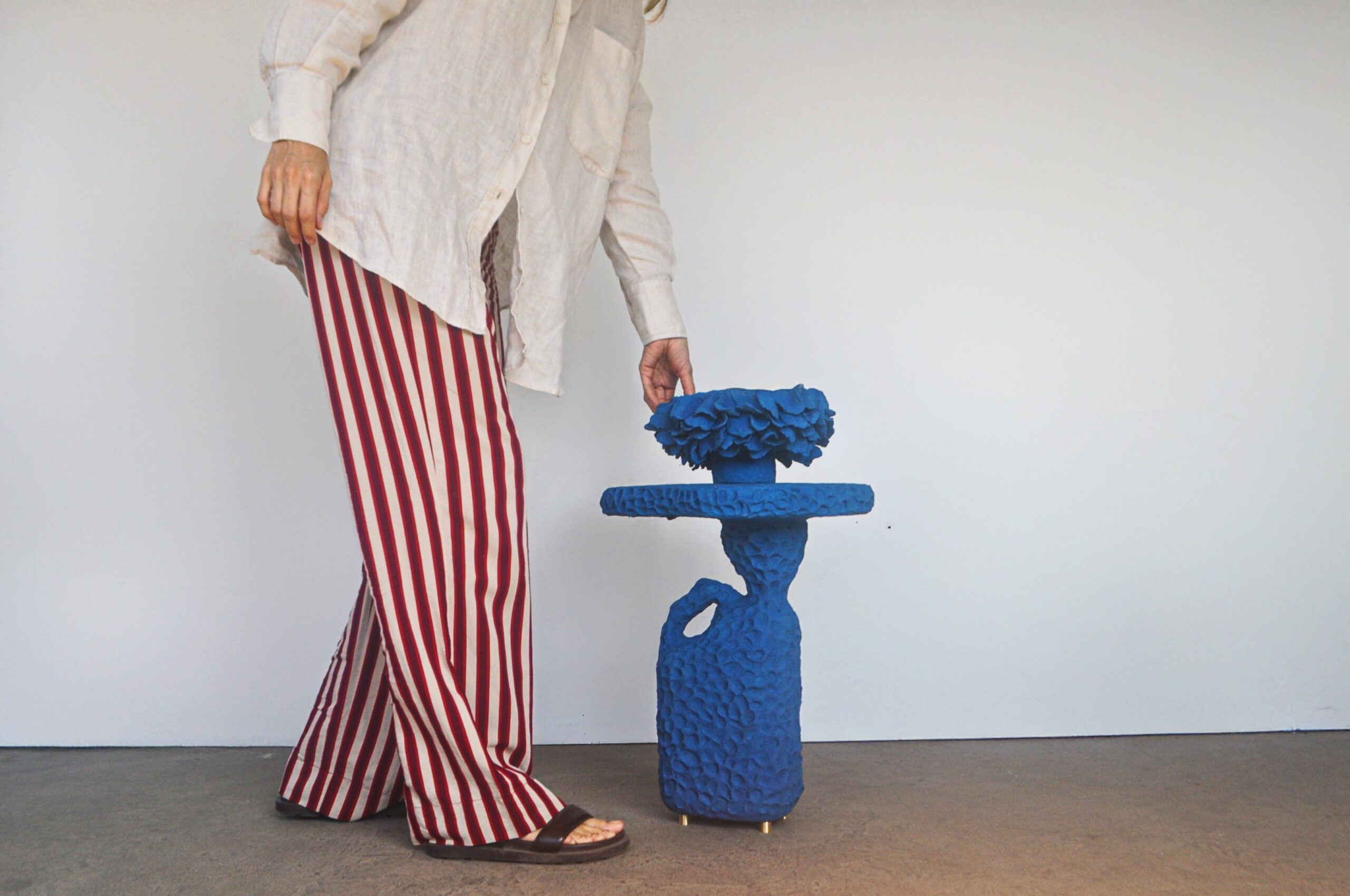
From the abyssal ocean to sustainable design
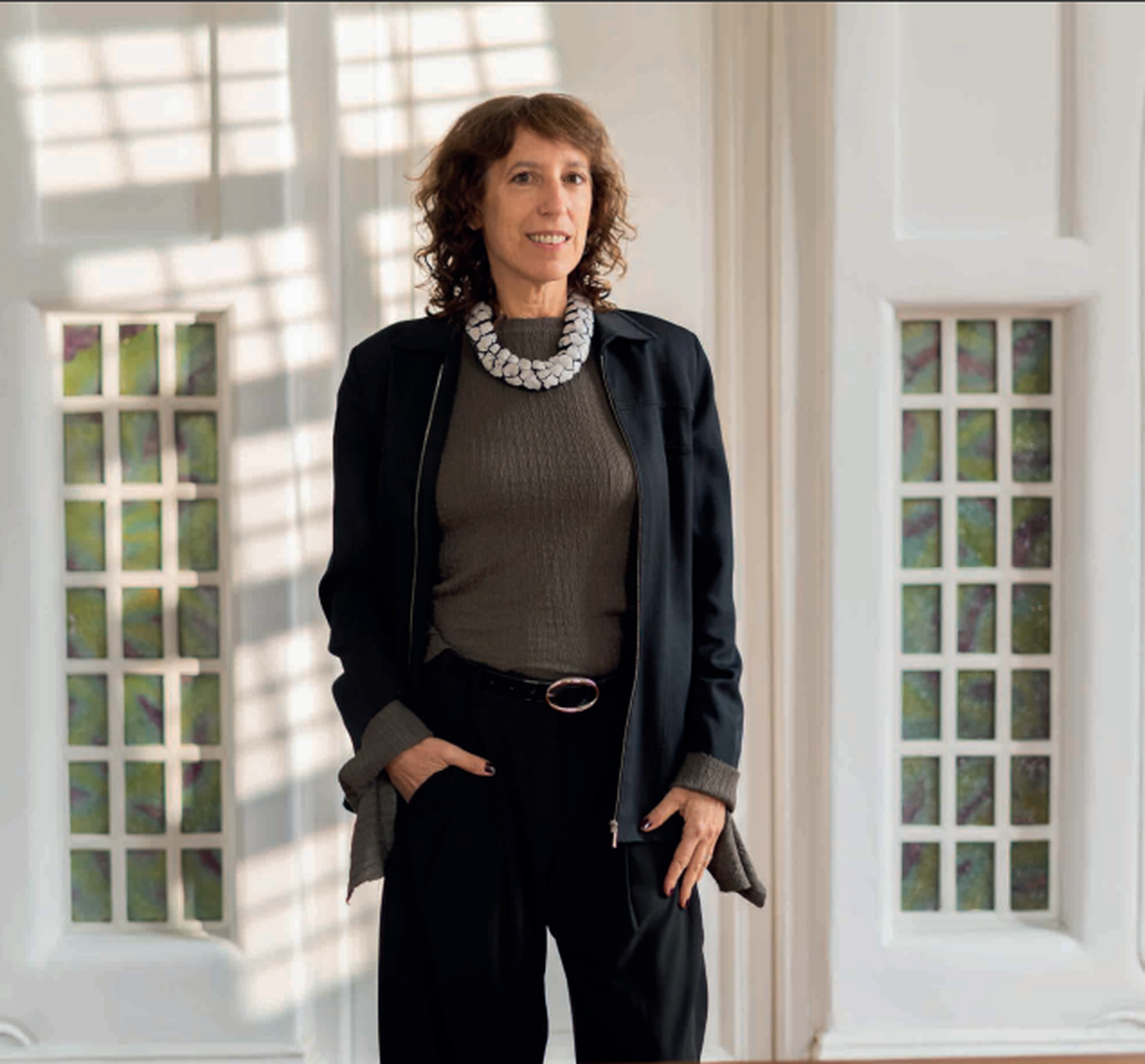
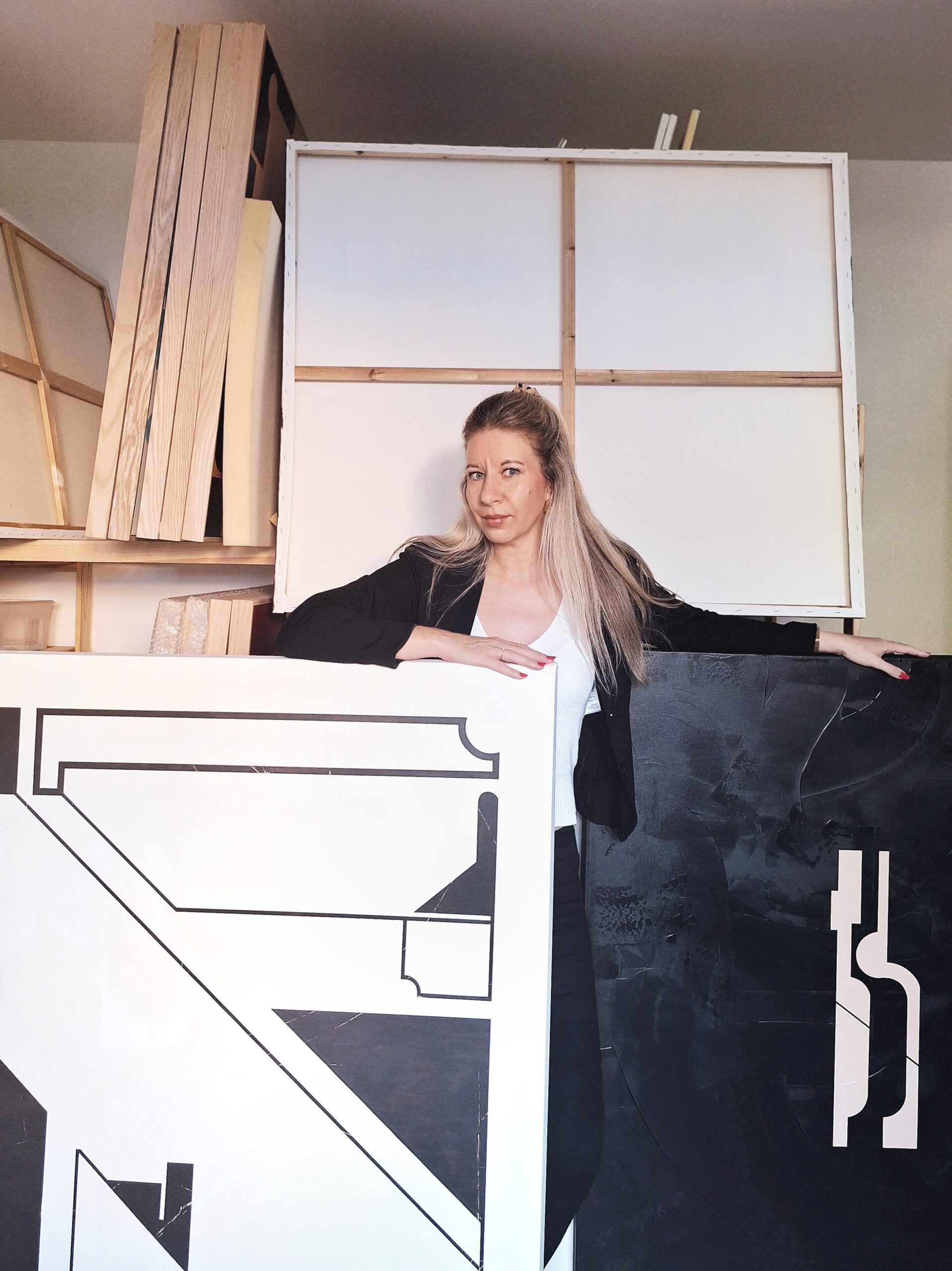
Visual artist and designer Brenda Guimarães, from Fortaleza, Ceará, has found in urban rubbish the raw material to create a poetics that unites art, sustainability and social impact. At the helm of Bekka Studio, located on the fifth floor of Fábrica Bhering, at 28 Rua Orestes, she presents the Abyssal Collection, which debuts with tables – the studio’s major novelty – and decorative objects that evoke the ocean depths.

Brenda Guimarães
Brenda Guimarães’s journey to Rio de Janeiro involved nearly 20 years in the fashion market, working for major retailers across the country. It was precisely this period that awakened her unease with the textile industry, the second-largest polluter on the planet. Upon moving to Rio at the end of 2022, the designer decided to take a break from her corporate career to study arts and reclaim manual skills that had been stifled.
From material crisis to regenerative listening
The Abyssal Collection emerges from this reflection on consumption and disposal. In the pieces created by Bekka Studio, plastics, cardboard and urban waste are transformed into objects reminiscent of shells, corals and submerged stones. Each fold, texture and relief sculpted onto the plastic, with the eco-efficient cellulose compound, evokes organic forms that seem to emerge from a nameless ocean floor.

The reference to the marine abyss is not casual. Just as the deep ocean – a mysterious territory where pressure is extreme and light does not reach – harbours tonnes of civilisation’s waste, the materials Brenda summons have long been pushed to the bottom, made invisible. But there, under the force of oblivion, the possibility of reinvention still pulses.
“The tables and objects presented emerge as organisms recovered from a contemporary shipwreck”, describes the collection’s presentation text. “Vestiges of a world that consumes quickly and discards without looking.”
Artisanal process and social impact
Bekka Studio sells home objects, such as decorative items, vases and lamps, made with cellulose and binders that render the pieces resistant and durable. Each one is moulded, sanded and painted manually. The mass used as a base comes from recycled cardboard, specifically from egg cartons collected by a recycling cooperative in Rocinha.
The work is not limited to artistic creation. Brenda has developed a training programme for women in situations of social vulnerability, in partnership with the NGO Família na Mesa, also in Rocinha. The project promotes contact with art, environmental education and safe conversations, whilst generating income for these women. From the drawings created by the artist, participants work replicating the pieces in a 100 per cent artisanal manner.
Bekka Studio’s philosophy proposes regenerative listening: a return to the tactile essence of the world, where making with one’s hands becomes spiritual and political language. “Bekka invites us to look downwards, inwards, beyond”, states the collection’s manifesto. “Her creations not only denounce a material and ecological crisis, but propose that we may relearn to listen to the depths, to transform what seems an end into a beginning.”
Bekka Studio operates as an experimental art studio, eco-efficient design, upcycling and socio-environmental work. Brenda Guimarães returns to discarded materials the right to dream – to be again part of the vital cycle, not as rubbish, but as presence. It is art that pulses like the tide: it comes and goes, takes and returns, moves and silences.