 Serpa
Serpa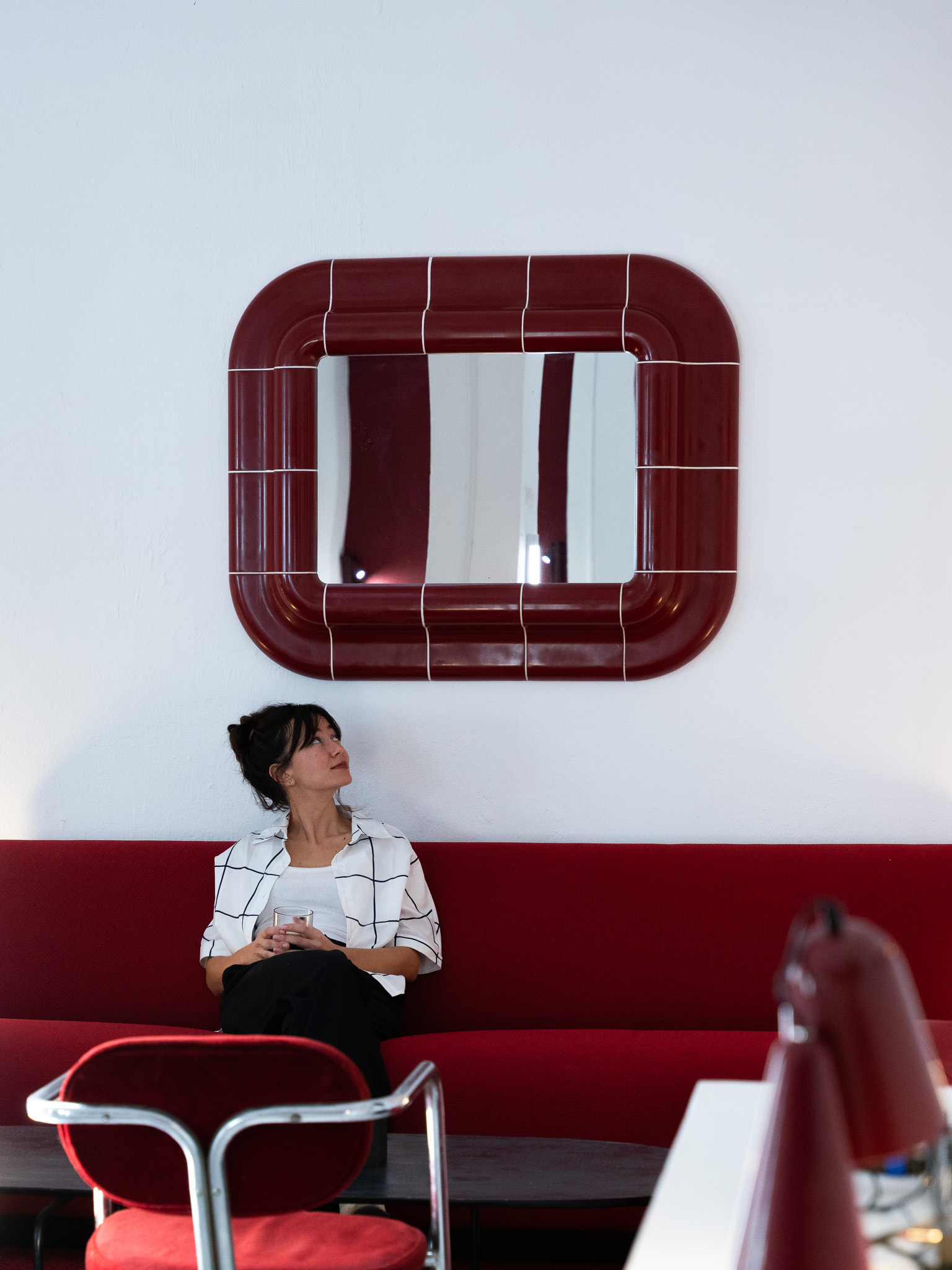
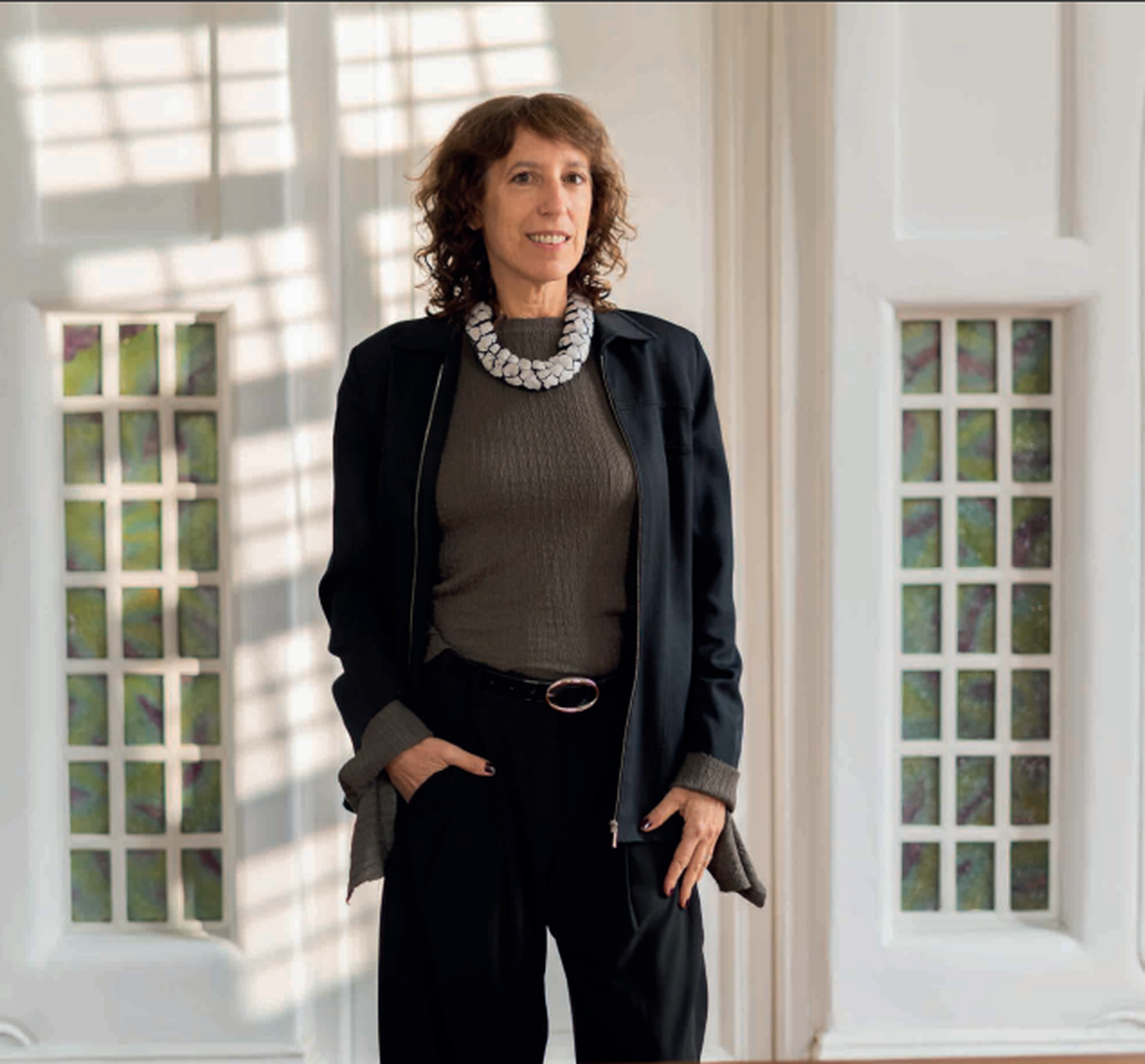
Celia Piquer
Tilecito reinterprets Valencian ceramic language through 3D printing, artisanal finishing and retro-futuristic aesthetics
NEW YORK — Tilecito was born from an unusual combination: the scientific rigor of a PhD in Pharmacy, Valencia’s ancient ceramic tradition, and the precision of 3D printers. Founded by Celia Piquer after completing her doctorate in May 2025, the design studio works at the intersection of traditional craftsmanship and contemporary manufacturing, exploring how the language of ceramics — soft edges, tactile surfaces, modular repetition — can survive through new materials and processes.
The brand is dedicated to creating mirrors and frames with soft spatial forms, a glossy finish reminiscent of ceramics, and an aesthetic that moves between retro-futurism and expressive geometry. Each piece is digitally modeled with attention to proportion and detail, then 3D printed and hand-finished to enhance surface qualities that evoke ceramic craftsmanship. The result is objects that seem rooted in tradition yet undeniably contemporary.

Celia Piquer
“I always perceived frames as either too neutral and forgettable, or overly ornamental and tied to a classic, rococo aesthetic,” explains Piquer. “I wanted to rethink them using the visual references I’m drawn to: retro-futurism, soft geometry, and expressive, architectural forms. This slightly nostalgic visual language feels both familiar and unexpected.”
The project emerged naturally from the context in which the designer was immersed. Valencia, a city in eastern Spain, has a strong ceramic tradition dating back centuries. Combined with the tools Piquer had access to at the time — primarily 3D printing machines — this environment made it possible to reinterpret traditional references through a contemporary, experimental process.
Tilecito explores decorative objects as pieces that subtly transform a space rather than simply blending into it. The designer started from a fundamental question: what happens when ceramic thinking is applied to objects beyond ceramics? The answer lies in pieces that preserve the visual and tactile language of Valencian ceramics but are executed with digital fabrication techniques.
Process and production philosophy
Each Tilecito piece is hand-finished, resulting in subtle variations that make each mirror unique. By exploring new materials, the studio reinterprets the ceramic tradition, allowing joint details to remain visible as part of the design language. The way the finish captures light, the curve of a hand-molded piece, and the subtle irregularity that signals human presence shape the understanding of objects in space.
The studio began by rethinking the frame not as something that supports, but as something that guides. By directing attention to what usually remains on the margins, Tilecito explores how structure, proportion, and presence can shape design. The pieces can function as mirrors or as frames for artwork, images, or objects. In all cases, the intention is the same: to frame is to give space, order, and importance.
The collection is being released gradually, with one piece per month. So far, only one model has been presented publicly, reflecting the project’s core ideas: rethinking a functional object through form, material perception, and visual impact. In the near future, Tilecito aims to expand into other decorative objects and furniture while maintaining the same approach.

Learning curve and collaborations
The project involved a steep learning curve for Piquer. Virtually every aspect, from design development to production and materials research, was new to someone with a background in pharmaceutical sciences. One of the most important steps was building a local network in Valencia, working closely with collaborators who helped refine the production process and identify the most suitable techniques to achieve the desired finish and quality.
The project is developed in collaboration with Rollo Studio, responsible for digital development, and Moanne, which provides strategic guidance. The studio is located in La Red, a creative workspace in Valencia.

The name and visual identity
The name Tilecito combines two references. “Tile” refers to a shared architectural language—modular, repeatable, and structural—present in both Iberian tradition and various Mediterranean cultures. “Cito” comes from Spanish, a diminutive that adds proximity, care, and dimension. Tilecito reflects the studio’s approach: working with modular systems while maintaining a sense of intimacy and attention to detail.
The logo follows the same logic. It was conceived using rounded, modular forms inspired by the construction of the pieces—each element functioning as a small unit within a larger system.
Tilecito’s work balances playful geometry with clean lines, curved forms, and modular structure, focusing on everyday objects and their role in space.
Learn more at: https://tilecito.com/
Instagram: https://www.instagram.com/tilecito