 Serpa
Serpa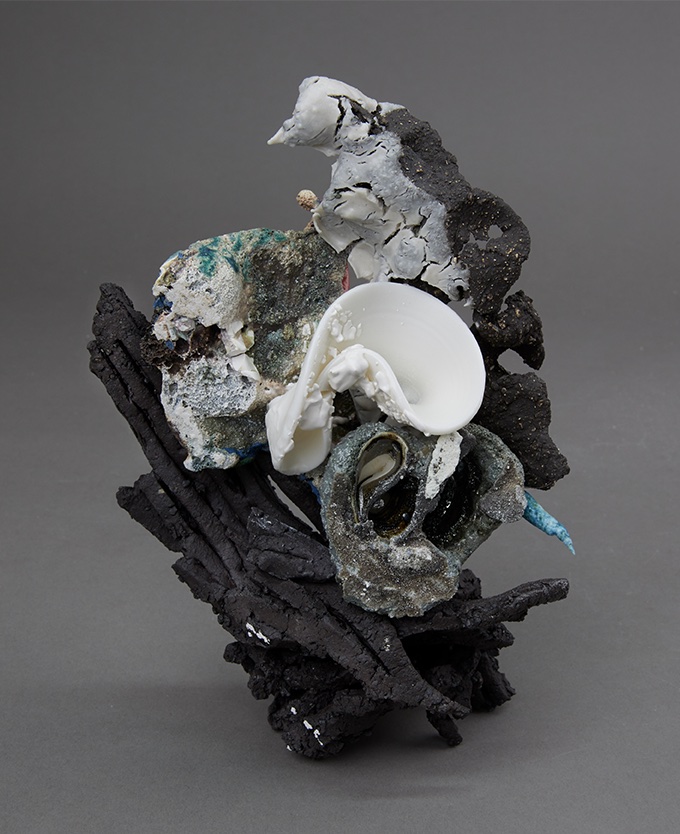
Gaby Młynarczyk, winner of the Charlotte Fraser Prize 2024 and artist in residence at the University for the Creative Arts, transforms discarded ceramic fragments into sculptures that evoke the Great Pacific Garbage Patch; her work arrives at Ceramic Art London in 2026
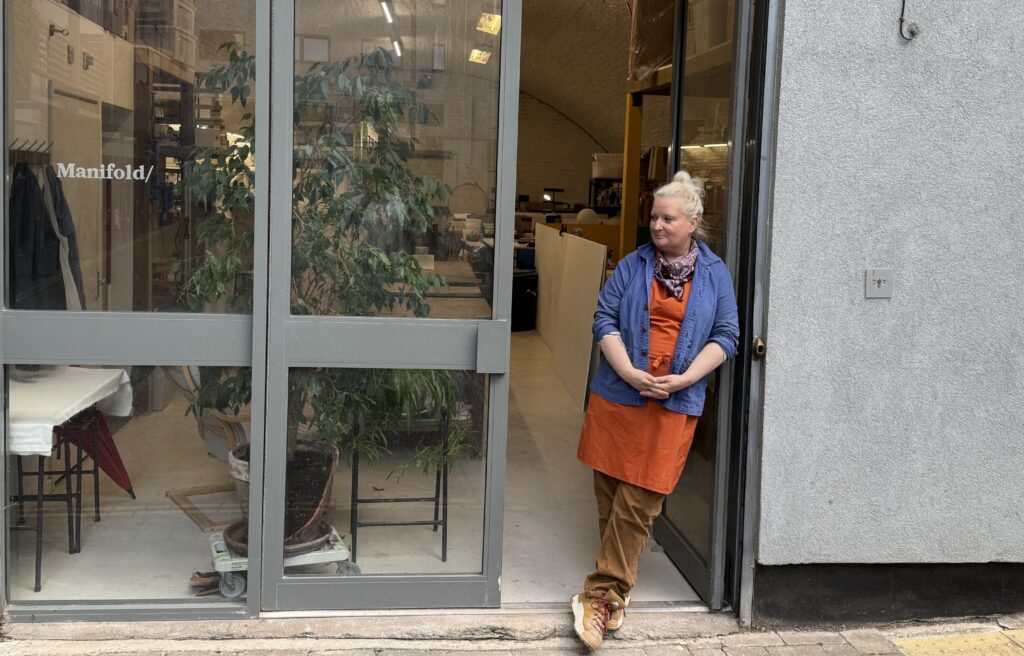
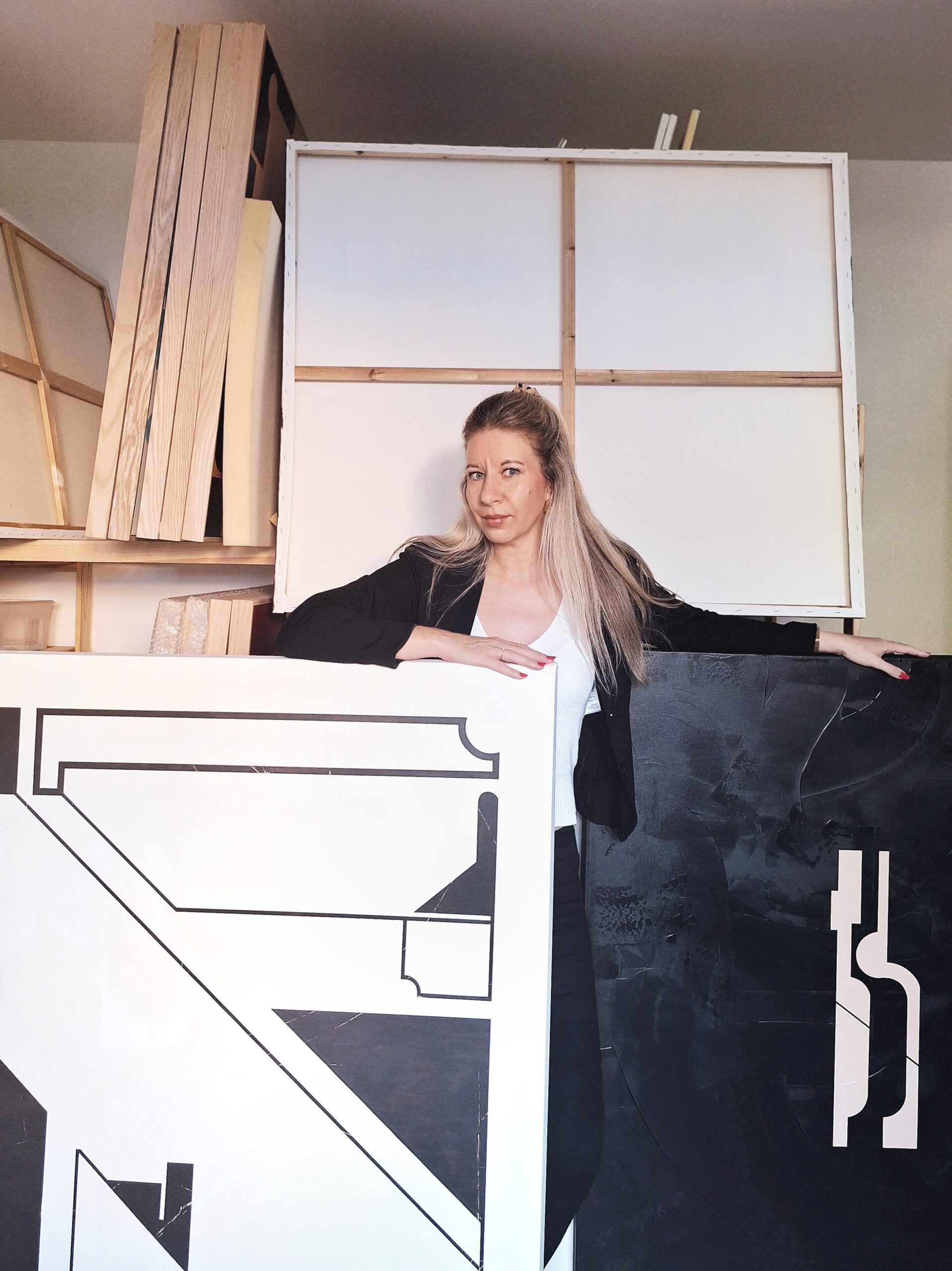
Gaby Młynarczyk
A sculpture can be a political act. It can also be a lament, a scientific inquiry, or an open letter to the future. For Polish-British artist Gaby Młynarczyk, born in 1967 and trained at the School of Visual Arts in New York and the Royal College of Art in London, ceramics is all of these things at once. With a practice that weaves together marine biology, industrial ecology, and the philosophy of matter, she builds works that do not appear to have been designed but rather grown: like coral, like fungi, like the silent accumulations that humanity leaves behind in oceans and landfills.
Recognized with the Charlotte Fraser Prize in 2024 and shortlisted for the Hyundai Prize for excellence in creative design, aesthetics, and craft, Młynarczyk has been steadily building a body of work that combines technical rigor with environmental urgency. She served as a ceramic artist in residence at the University for the Creative Arts (UCA) in Farnham from 2024 to 2025 and was shortlisted for the V&A/Adobe 2025 residency in ceramics and mixed media, one of the most competitive programs in the field in the United Kingdom. Her exhibition schedule points to Ceramic Art London in May 2026, where audiences will be able to see firsthand the result of years of material and conceptual research.
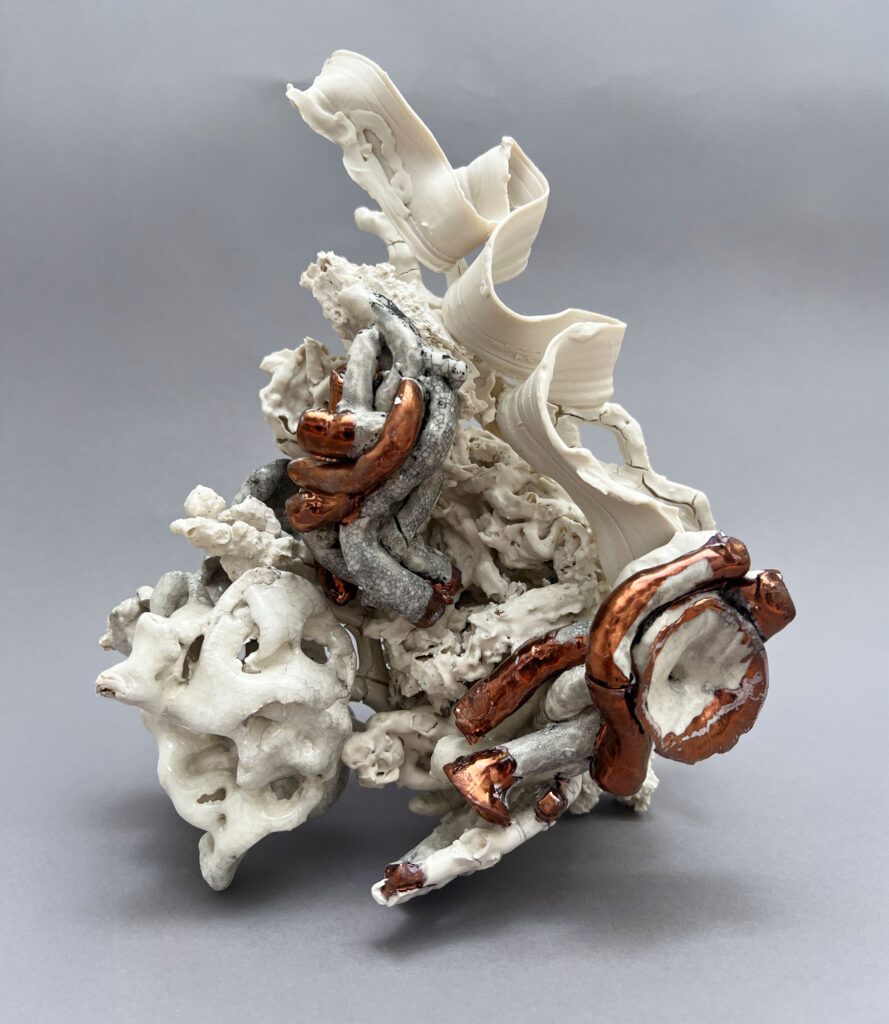
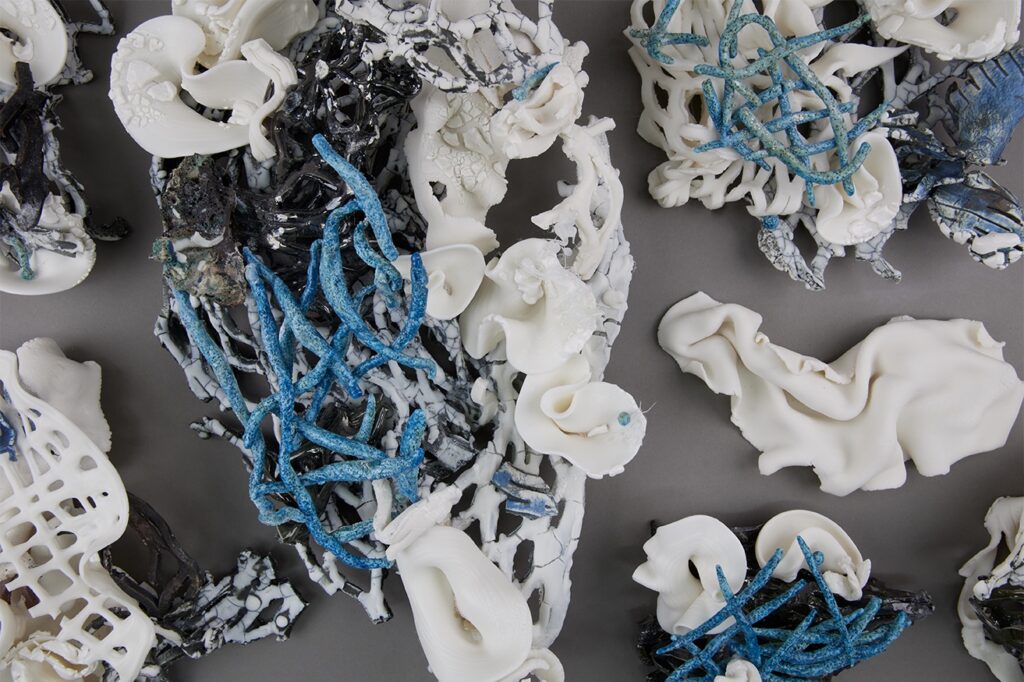
The Great Pacific Garbage Patch, a vortex of plastic debris covering an area roughly three times the size of France, has become the central metaphor of her work. Not as a didactic illustration of an environmental problem, but as an existential condition that the artist translates into matter, form, and touch. Her sculptures are hybrid bodies: recovered shards, newly shaped pieces, and found elements joined through techniques of stitching, binding, and reassembly, forming structures that hover between ruin and renewal.
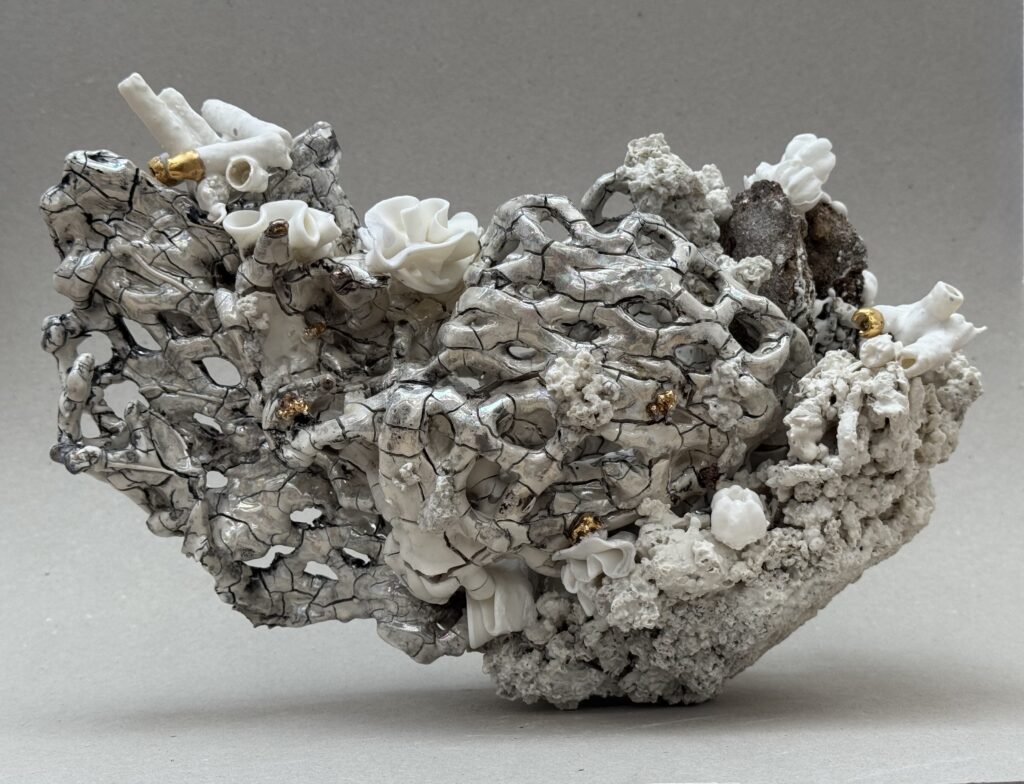
Glass sponge
Clay as an active collaborator
In Młynarczyk’s thinking, clay is not a neutral medium at the artist’s disposal: it is a partner with its own memory. The pressure of hands, the pull of gravity, and the temperatures of the kiln: all of this leaves traces that inform every subsequent creative decision. The artist describes her process as a slow negotiation, in which the most compelling moments arise precisely when control gives way to the unexpected: when glazes bloom in surprising ways, when joints fail, or when fragments demand new alliances.
This principle extends to the working philosophy that runs throughout her studio practice. For her, the studio is not a place for executing preconceived projects but a space of slow observation, where touch becomes a form of thinking. The theoretical influence of thinkers such as Jane Bennett, with her concept of vibrant matter, and Gilles Deleuze and Félix Guattari, with their idea of rhizomatic connection, comes through in works that seek forms acknowledging interdependence: between human and non-human systems, between maker and material, between past use and future possibility.
Her intellectual journey began in New York at the School of Visual Arts, where she studied sculpture. Her time at the Royal College of Art in London, one of the most prestigious centers for applied arts in the world, deepened her interest in ceramics as a language and in the object as a carrier of ethics. Since then, her work has been exhibited in New York, Los Angeles, and Jingdezhen, the historic capital of Chinese porcelain, and in galleries and institutions throughout London, tracing a genuinely international career.
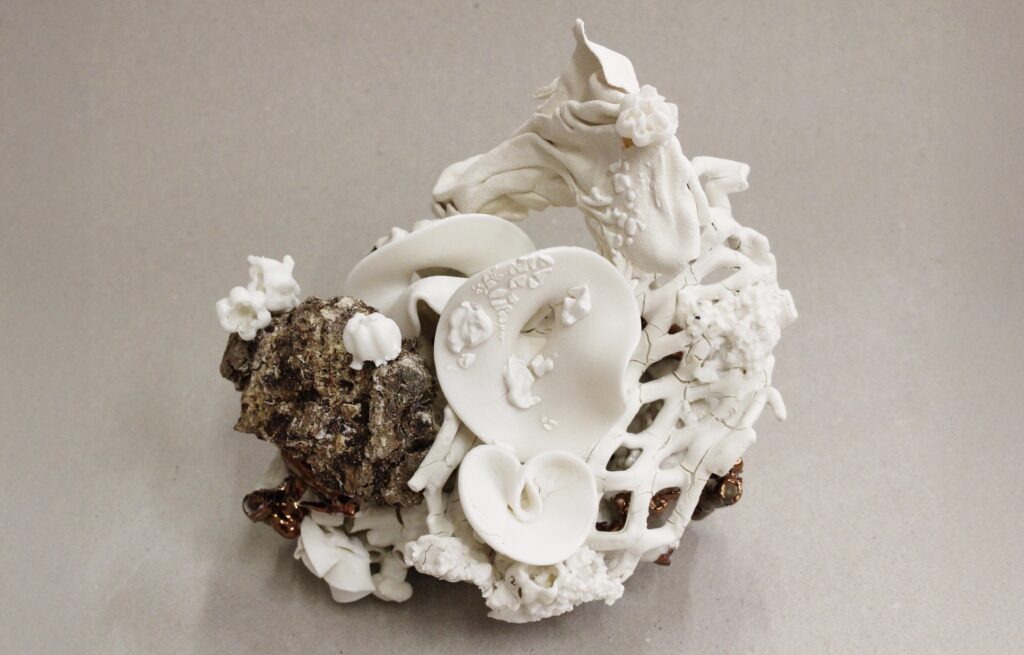
Sea knot
Repair without the illusion of restoration
One of the central questions running through her entire body of work is the tension between repair and honesty. Młynarczyk has no interest in simulating a wholeness that does not exist. By stitching, binding, and reassembling ceramic shards, she investigates how materials carry histories that cannot be erased, only reconfigured. Repair, in her view, is not an act of nostalgic restoration: it is a gesture of responsibility that acknowledges the impossibility of returning to the world what has been destroyed, while still insisting on creating new forms of coexistence with the debris of our own making.
This rigorous stance toward material and its ethical implications has earned her significant institutional recognition. In addition to the awards and residencies already mentioned, she is a member of the Homo Faber Guide, an initiative sponsored by the Michelangelo Foundation that brings together the most relevant craftspeople and contemporary artists in Europe. Her work has also been featured in specialized publications such as Ceramics Now and Stir World, both international references in the field of applied arts. In 2025, Młynarczyk was invited to speak at Clay In Conversation, an event organized by CREAM (Centre for Research and Education in Arts and Media) at the University of Westminster in London.
The invitation to participate in an academic forum like CREAM reflects a defining characteristic of her practice: the ability to move between hands-on making and critical thinking without one undermining the other. Młynarczyk is not simply a skilled ceramicist; she is also a thoughtful participant in contemporary conversations about ecology, materiality, and the ethics of artistic practice. Her works are, as she herself defines them, objects that hold complexity without resolving it, remaining open to change and inviting viewers to reconsider their own entanglement with the material world.
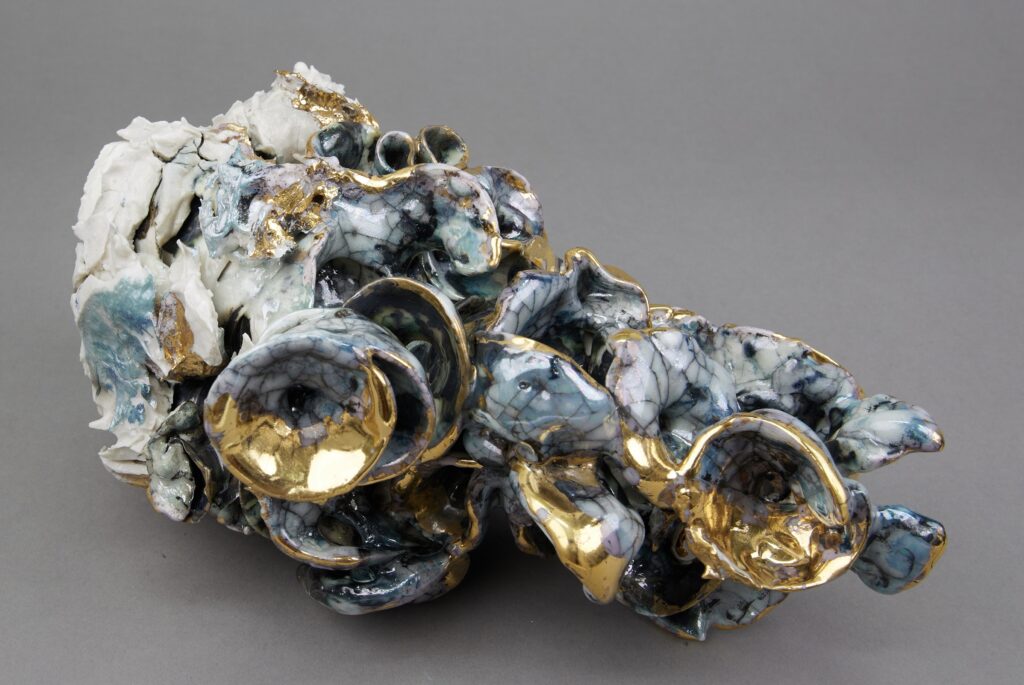
in Bloom
Process: between making and unmaking
In practice, Młynarczyk’s creative process unfolds without predetermined form. She works the clay, breaks it, repairs it, and binds it, letting structures emerge through accumulation and return. She moves between making and unmaking, combining ceramic fragments salvaged from discard with newly formed elements, allowing each stage to leave its mark on the next. The result grows slowly, guided by weight, balance, and resistance, while surfaces carry the memory of touch, energy, fracture, and care. What leaves her studio are not resolved objects but ongoing formations.
This way of working connects to a long tradition of ceramic practices that question the distinction between finished and in-process, from Lucie Rie to Japanese kintsugi, and through contemporary artists such as Theaster Gates and Lucio Fontana, who also converted rupture into aesthetic language. Młynarczyk, however, updates that tradition by anchoring it firmly in the context of 21st-century ecological crises. For her, the choice of material is not merely formal: it is a statement about what we do with what we produce, discard, and lose.
Glosoli
Biology, industry, and controlled accident
Marine and plant biology, evolutionary structures, and the unintentional landscapes generated by industrial excess make up the scientific reference bank that fuels her formal imagination. Her works frequently evoke reef organisms, fungal colonies, or intertwined roots, forms that grow out of necessity and adaptation rather than design. This interest in what forms outside human control, whether in nature or in the waste that industrial civilization produces, is the thread connecting ecology, biology, and sculpture throughout her work.
With pieces set to appear at Ceramic Art London in May 2026 and a growing profile in the international applied arts circuit, Gaby Młynarczyk is establishing herself as one of the most original voices of her generation. By making ceramics not merely a craft but an act of reflection on time, matter, and the consequences of human habitation on the planet, she proposes that art can, and perhaps should, be a form of ecology. Her objects do not solve the crisis. But they make it visible, tangible, and impossible to ignore.
Frutti di Mari
www.clay-junkie.com | @clay_junkie