 Serpa
Serpa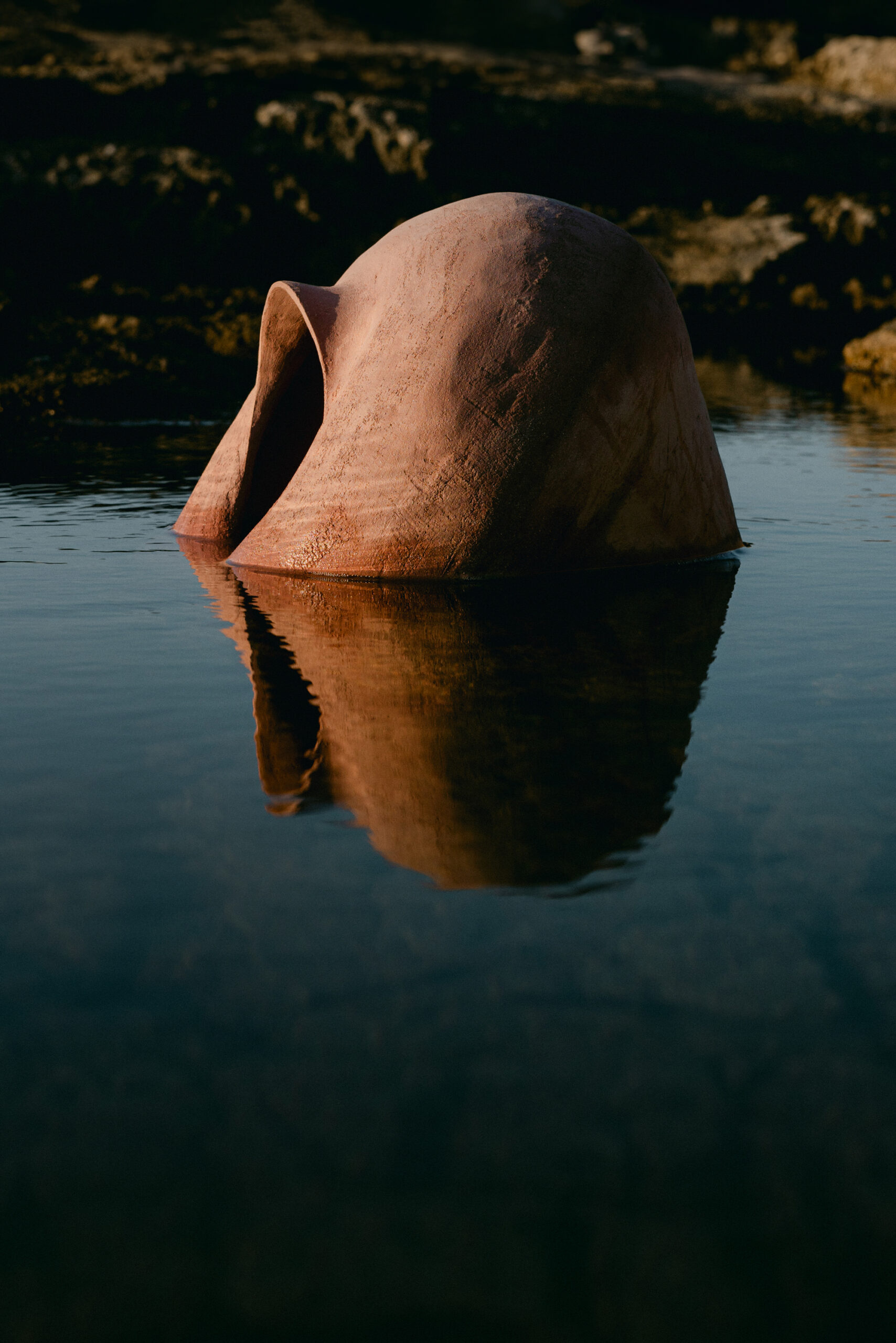
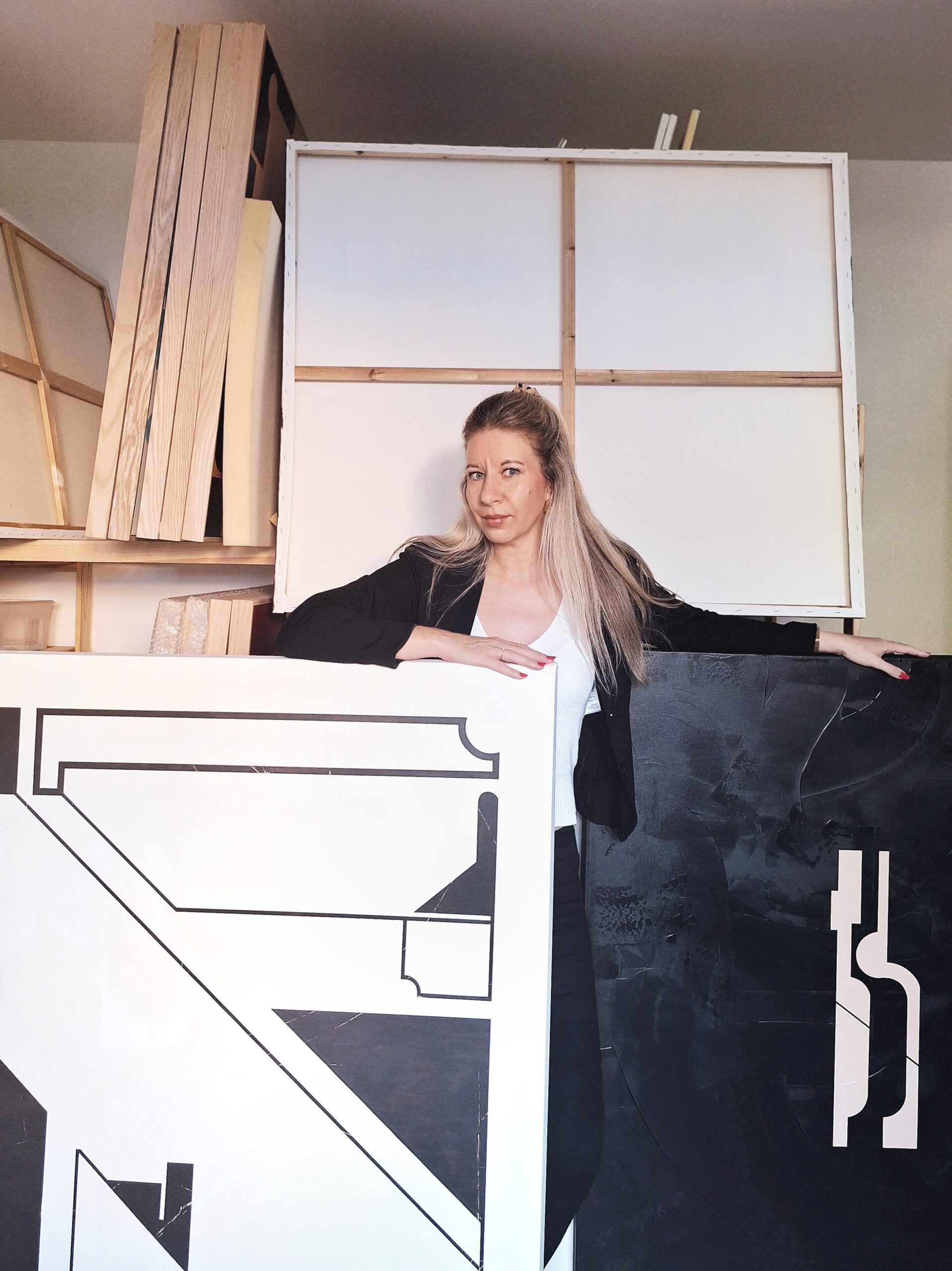
Founder of ZEECERAMICS studio, Zeljana Vidovic builds each piece by hand, in coils, without molds and without rushing, and it is precisely this refusal of industrial speed that attracts brands like DePadova and spaces like Casa Gregotti in Milan.
In less than two years of intense activity, ZEECERAMICS studio, founded by Croatian architect and ceramic artist Zeljana Vidovic, has become a growing reference in the international circuit of design and ceramic art. Between April and November 2025, Vidovic participated in some of the most relevant shows in the field, from Salone del Mobile. Milano, the most important design fair in the world, to an opening in Le Marais, the historic neighborhood and cultural epicenter of Paris. Her pieces were selected for the official catalog of DePadova, an Italian high-end furniture brand, and are part of the permanent collection of a gallery-residence in Milan. The artist’s trajectory, which combines an architecture background with an intuitive and meditative practice with clay, shows how contemporary craftsmanship can occupy spaces once reserved for industrial design.
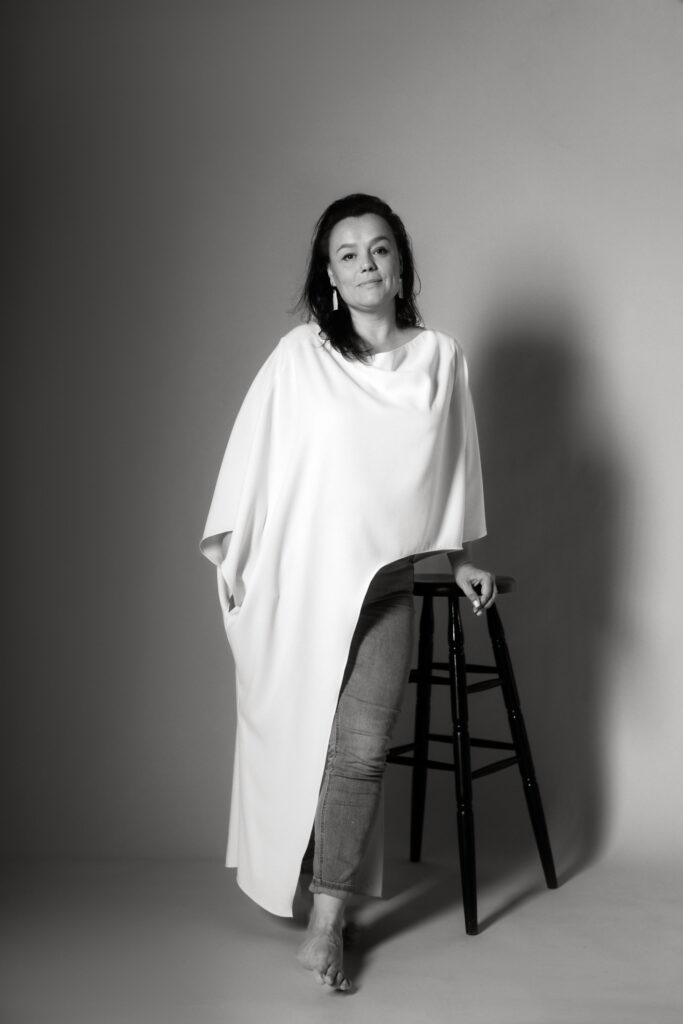
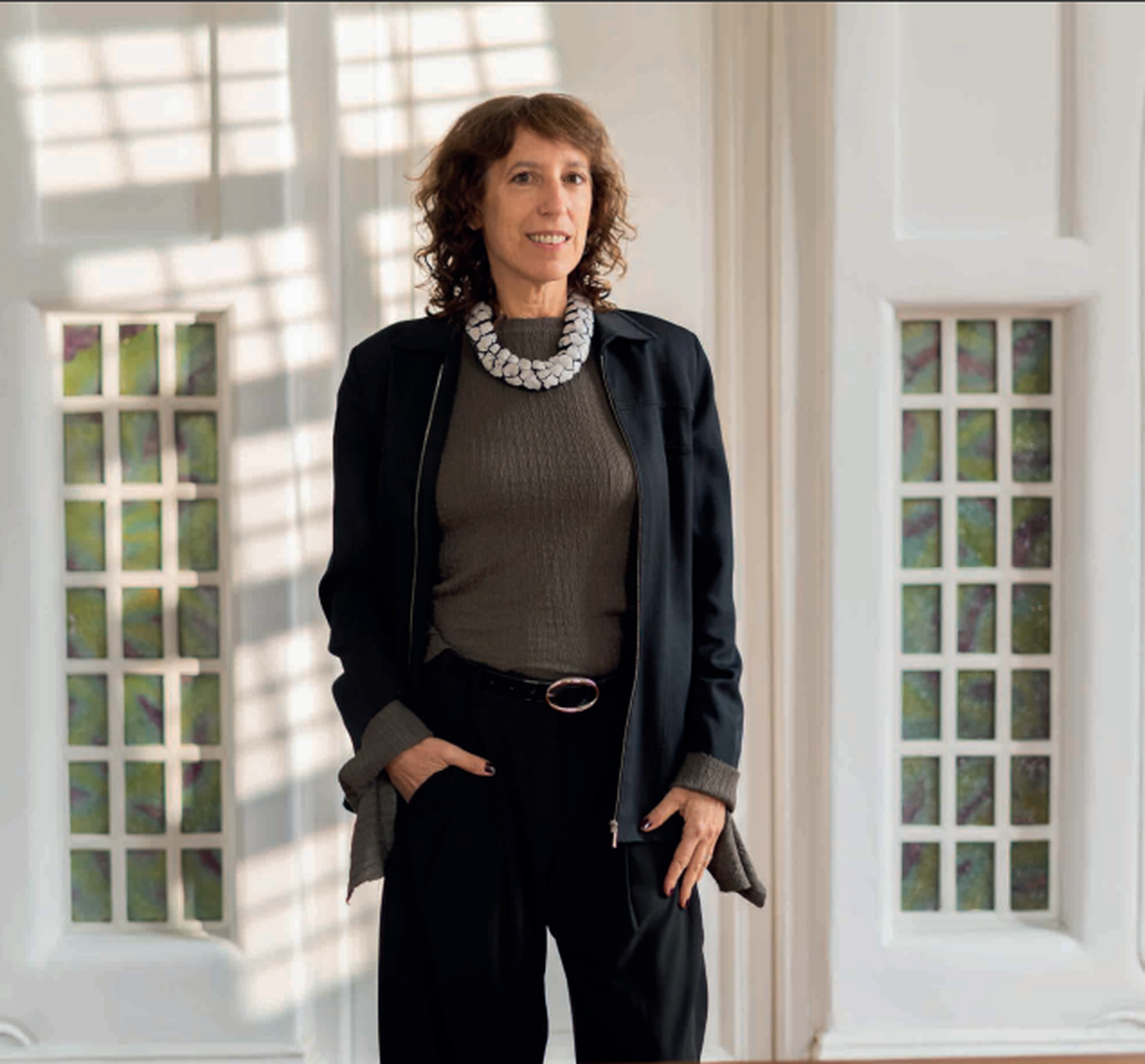
Zeljana Vidovic – Photo Ivana Tomic
A Strong Presence on the International Calendar
2025 was the busiest year in Vidovic’s career. In April, during Milan Design Week, which coincides with Salone del Mobile, she participated in an international group exhibition and had pieces selected for the official DePadova 2025 catalog. The brand, founded in 1956 and considered one of the most influential in the Italian luxury furniture segment, included the artist’s ceramic works among its collection references for the year. Still at Salone del Mobile, Vidovic exhibited in international shows alongside the brands Porro, Zanat, and Lapalma, all with well-established reputations in the high-end design market.
In September, she was selected for the exhibition “1000 Vases,” shown during Paris Design Week and at Maison&Objet, a biennial fair that brings together the most relevant names in decoration, design, and craftsmanship in the European scene. Being selected for both events in the same month, in two of the most important design centers in the world, Milan and Paris, places ZEECERAMICS among the emerging studios with the greatest international visibility in the field of artisan ceramics.
In November, the calendar culminated with an opening in Le Marais, Paris, in collaboration with a curated design space in the neighborhood. The show presented sculptural ceramic works in a contemporary setting, reinforcing the artist’s presence in the French capital.
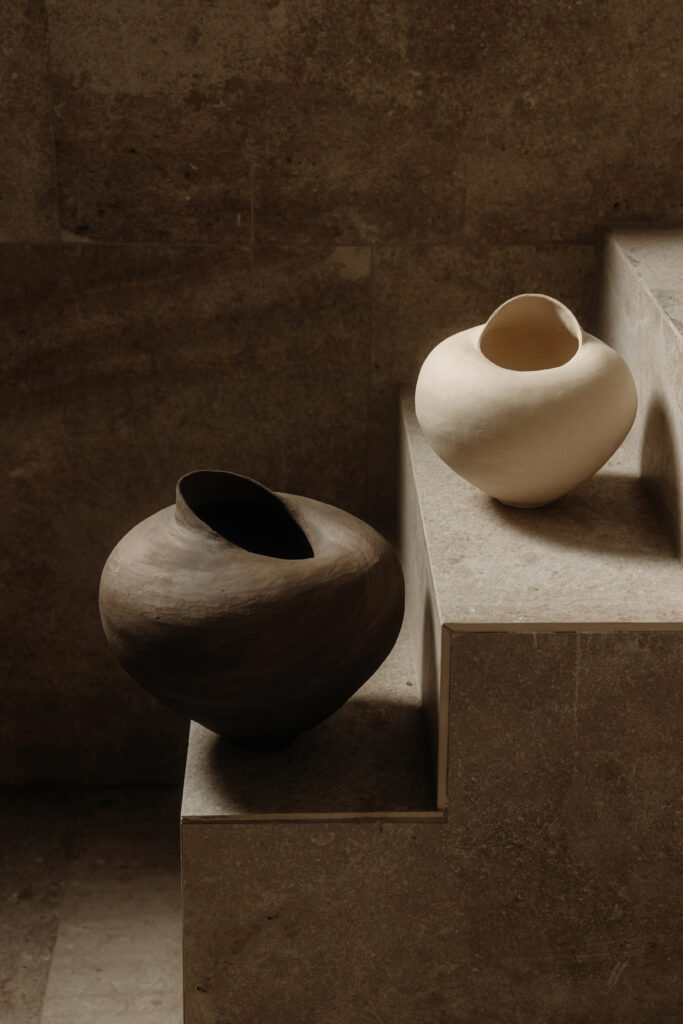
Photo Ivana Tomic
Group Exhibitions and Critical Recognition
Beyond the commercial design circuit, Vidovic also made her mark in shows of a more authorial and critical nature. Between August and September 2025, she was selected for the exhibition “Passionate Ceramics,” held in Castellamonte, in the Turin region of Italy, one of the country’s most traditional international ceramic art events, which brings together artists from different countries in a show and competition format.
In June, she created a curated installation at Casa Gregotti, in Milan, a private gallery-residence associated with the legacy of architect Vittorio Gregotti, for an editorial in Corriere Living, the lifestyle supplement of Corriere della Sera published in September. The works presented became part of the gallery’s permanent collection, representing not only authorial recognition but also the inclusion of her pieces in a reference collection within the context of Italian design and architecture.
Between October 2025 and January 2026, Vidovic is participating in the group exhibition “Matermânia / Matermania,” curated by Elena Dal Molin and Marco Mioli, at Galleria Atipografia, in Italy. The show, inspired by the Cave of Matermania in Capri, an archaeological site associated with Magna Mater cults in Antiquity, explores motherhood as an intimate and universal experience. In addition to Vidovic, the show features artists Marta Allegri, Mats Bergquist, Gregorio Botta, Diego Soldà, and Stefano Mario Zatti.
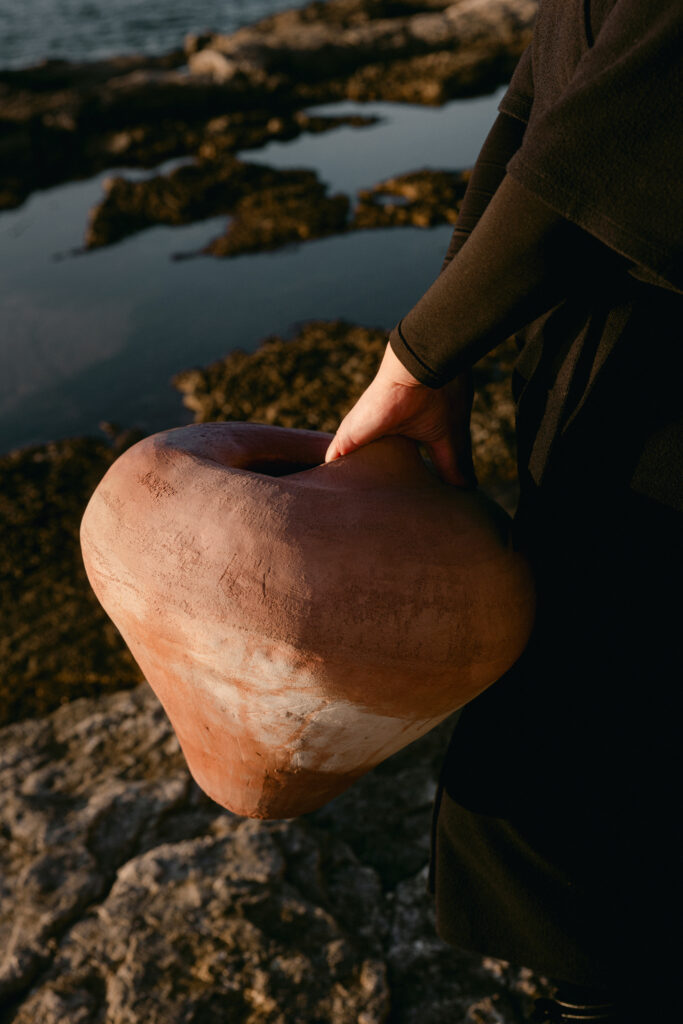
Photo Ivana Tomic
Architecture as a Starting Point
The uniqueness of Zeljana Vidovic’s work stems, to a great extent, from her background. Before dedicating herself to ceramics, she earned a degree in architecture and multidisciplinary design, and this structural foundation remains visible in her pieces, even when the final result seems far removed from any technical rationality. “I distill forms to their essence, eliminating excess to reveal clarity,” the artist says. “Yet within that simplicity, I leave room for the unexpected: traces of touch, subtle irregularities, and the true transformation by fire.”
Originally from Istria, a coastal region of Croatia with a rich cultural tradition between the Mediterranean and Central Europe, Vidovic grew up in contact with the textures and rhythms of the Adriatic coast. This sensory repertoire—the limestone of the Istrian coast, the light falling on the sea, and the shape of the hills descending to the water—runs through her work in a non-literal way, yet is present in the choice of materials, the textured surfaces, and the neutral palettes that characterize her pieces.
Since 2023, when she founded the ZEECERAMICS studio, the artist has developed what she herself describes as a minimalist, material-focused approach to ceramics. Each piece is built by hand, in coils, a technique that harks back to the origins of ceramics and demands patience, bodily awareness, and a type of presence that working with industrial molds does not allow. “The process is slow and intuitive. I build by hand, in coils, letting volumes emerge gradually, in a play of weight and balance,” she describes.
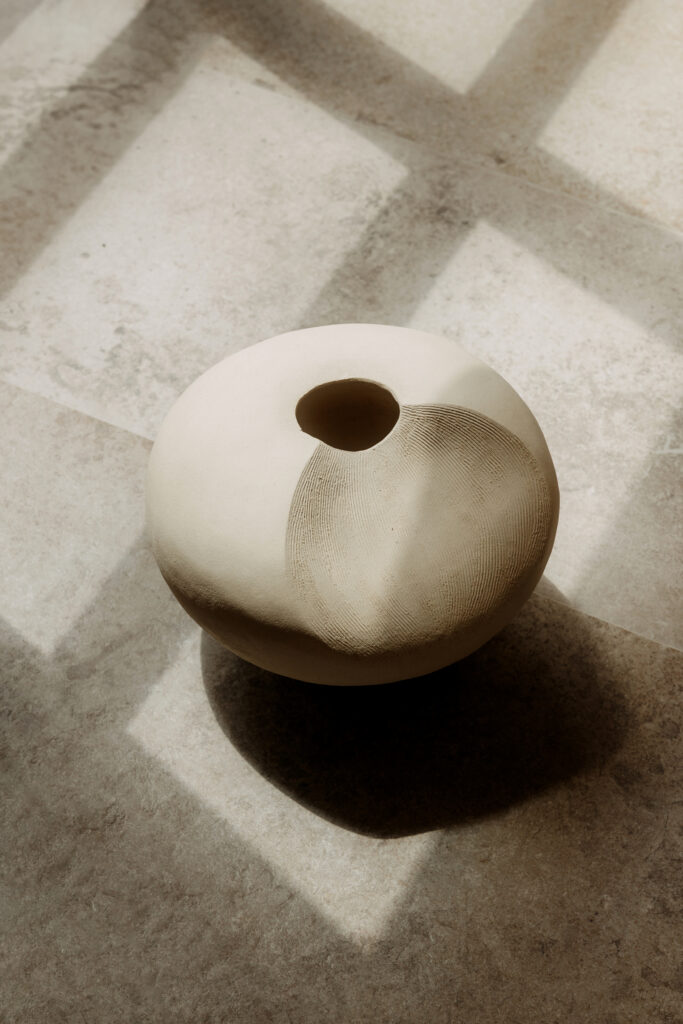
Photo Ivana Tomic
Clay as Language
At the center of Vidovic’s practice is a conviction that guides all her formal and conceptual choices: clay is not just a material but a language. A language that speaks of time, presence, and transformation. “For me, each piece represents more than a form. It carries presence and the intrinsic beauty of the handmade,” she writes in her artist statement.
This perspective connects her work to a long tradition while at the same time distancing it from trends that reduce craftsmanship to decorative aesthetics. ZEECERAMICS pieces do not seek symmetrical perfection or the smooth finish that mimics industrial production. On the contrary, they value the marks of the process: the pressure of fingers on the surface, the slight asymmetry that results from manual construction, and the variation in tone that fire produces in a singular way. Each piece is, in that sense, unique, not as a market argument, but as an inevitable consequence of the method.
Vidovic articulates her practice around what she calls “a dialogue between form, material, and space.” This dialogue is expressed in the way her pieces respond to the environment in which they are placed, a characteristic that brings ceramic work closer to architecture, a field in which the relationship between object and space is central. Not coincidentally, her presence in gallery residences and design events, and not only in strictly fine arts shows, seems consistent with this way of conceiving artistic practice.
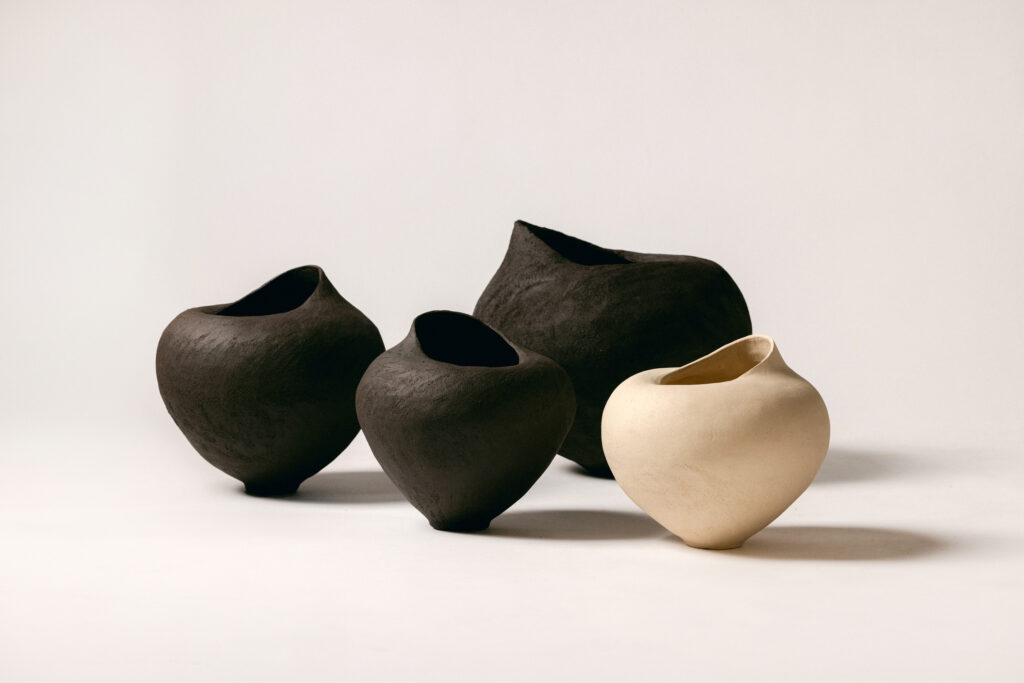
Photo Ivana Tomic
One Studio, One Artist, One Moment
The trajectory of ZEECERAMICS in 2025 is also a portrait of a particular moment in the design and decorative arts market. After decades of dominance by industrial production and Scandinavian-inspired minimalist aesthetics, authorial craftsmanship, especially ceramics, is experiencing a period of growing appreciation. Collectors, luxury brands, and design spaces are seeking pieces that offer what mass production cannot: singularity, visible process, history.
In this context, studios like ZEECERAMICS find favorable ground. But the attention Vidovic’s work has been receiving cannot be explained solely by market timing. It is explained, above all, by the consistency of a practice that combines formal rigor, material sensitivity, and a clear personal perspective, rooted in the geography of Istria, shaped by architecture, and expressed, piece by piece, in the meditative silence of the studio.
“In the meditative act of creating, I find stillness, a space to slow down, reflect, and let transformation take shape,” the artist writes. In a fast-paced world saturated with images, this proposition finds resonance and, by all indications, also a market.
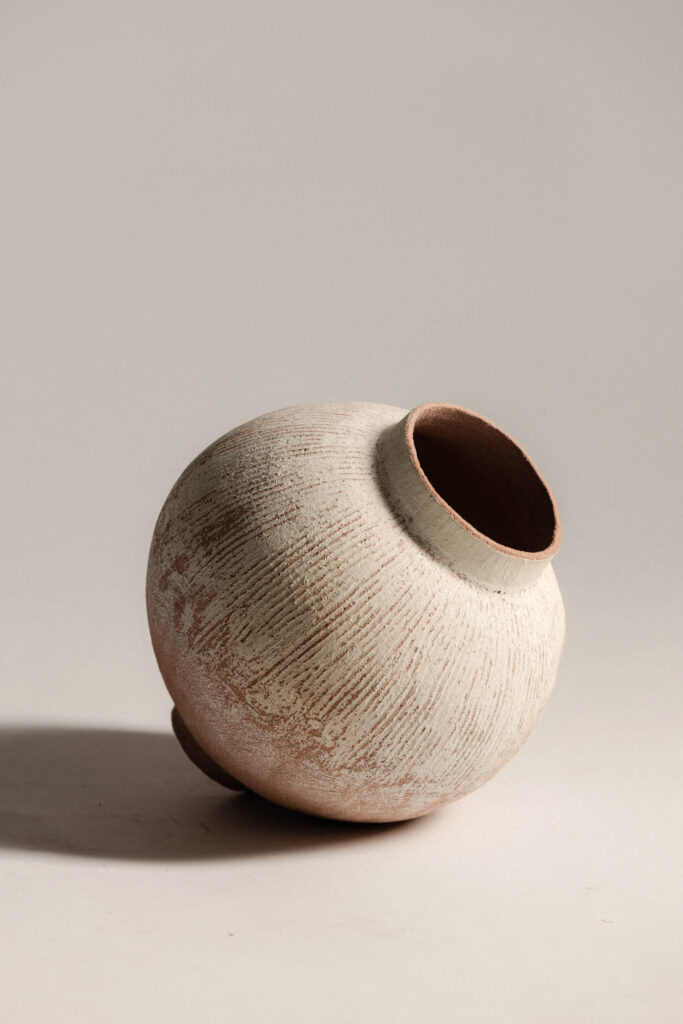
Photo Ivana Tomic
Information about exhibitions and collections is available through the ZEECERAMICS studio.
Website:https://www.zeeceramics.com/
Instagram: https://www.instagram.com/__zeeceramics/