 Serpa
Serpa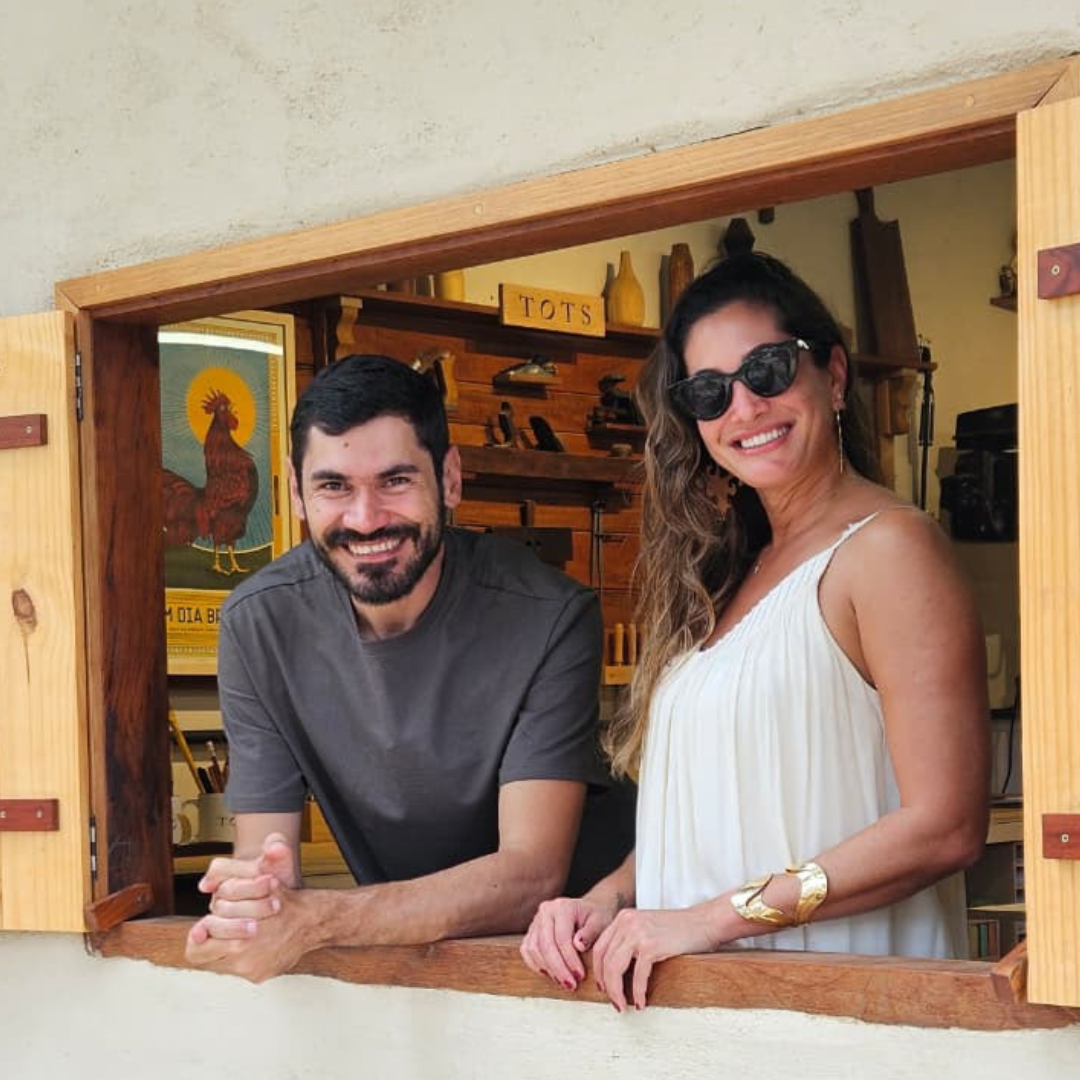
Sammea Vilarinho and Nando de Sousa at the window of their newly opened studio in Silvânia. Photo: Sammea Vilarinho Arquitetura
New Home for Wood’s Quiet Craft Rises in Silvânia, Designed by Sammea Vilarinho Arquitetura for Nando de Sousa
SILVÂNIA, Brazil. Five years after its founding, Estúdio Tots has opened a new woodworking atelier in this small city in the interior of Goiás state. Sammea Vilarinho Arquitetura signed the architectural project, designed to bring together the indoor and outdoor stages of production led by woodworker Nando de Sousa, who heads the brand.
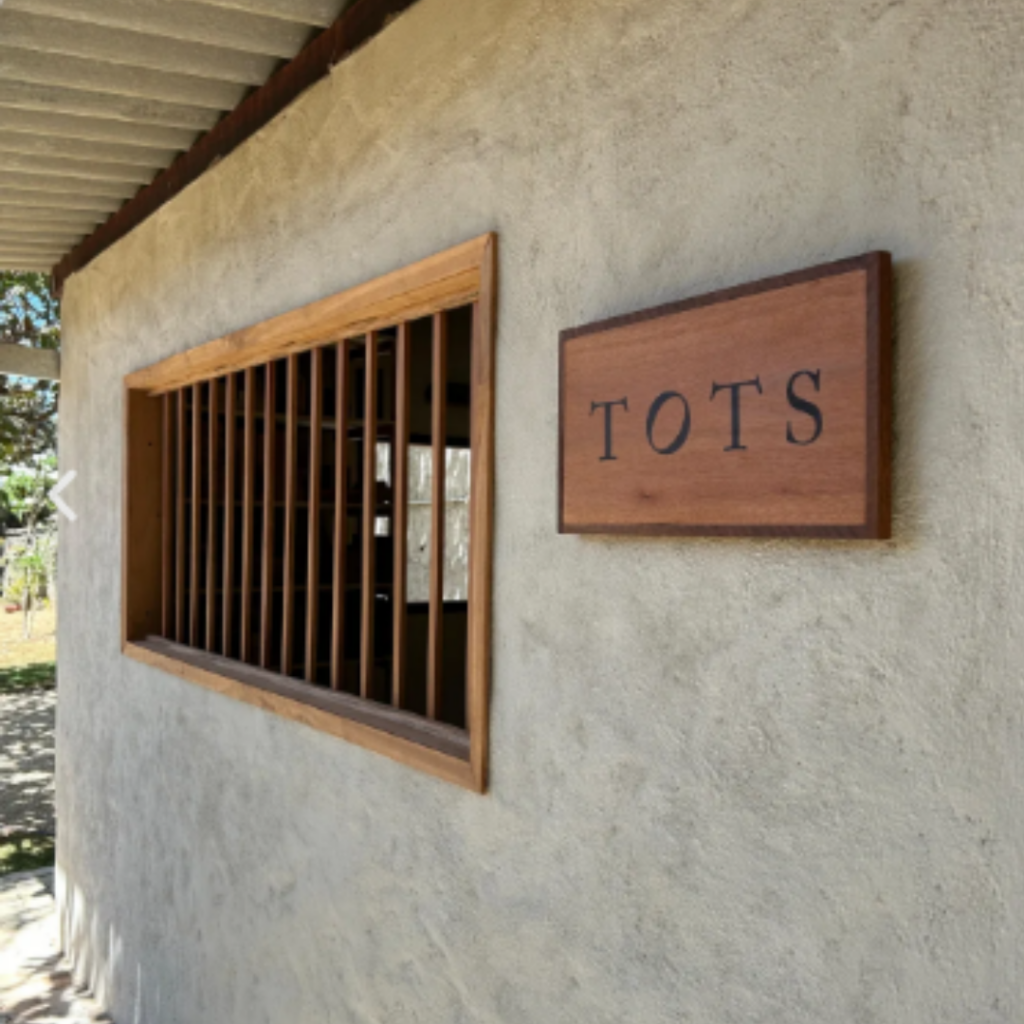
The facade of the new studio, with a lot size of 91.50 m² and a built-up area of 35.30 m². Photo: Sammea Vilarinho Arquitetura
With 91.50 square meters of land, the new space has 35.30 square meters of built area. According to the firm, design work took place in 2024 and construction continued through 2025. The same team handled the architecture, the interior design and the photographic documentation of the finished building.
Two work zones organize the new atelier. This division, the firm said, allows each stage of the craft process to be carried out separately, giving the studio greater control over production timing, a factor considered central to its way of working.
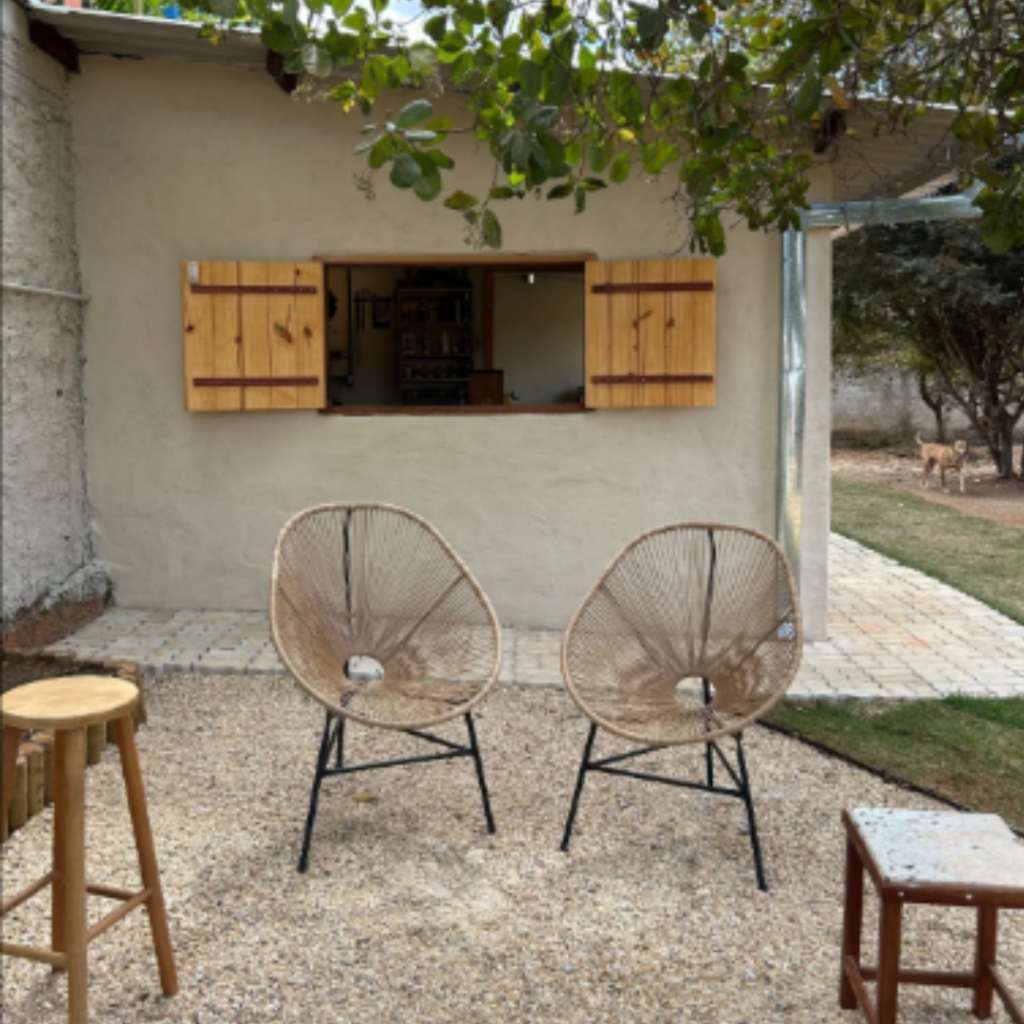
The studio incorporates spaces for breaks between production stages. Photo: Sammea Vilarinho Arquitetura
According to the firm, the project team sought to reflect the craft practiced on site directly in the architecture itself: manual woodworking that results in original furniture and objects. Their intention, they said, was for the building not only to house production but also to express, through its construction, the studio’s creative process.
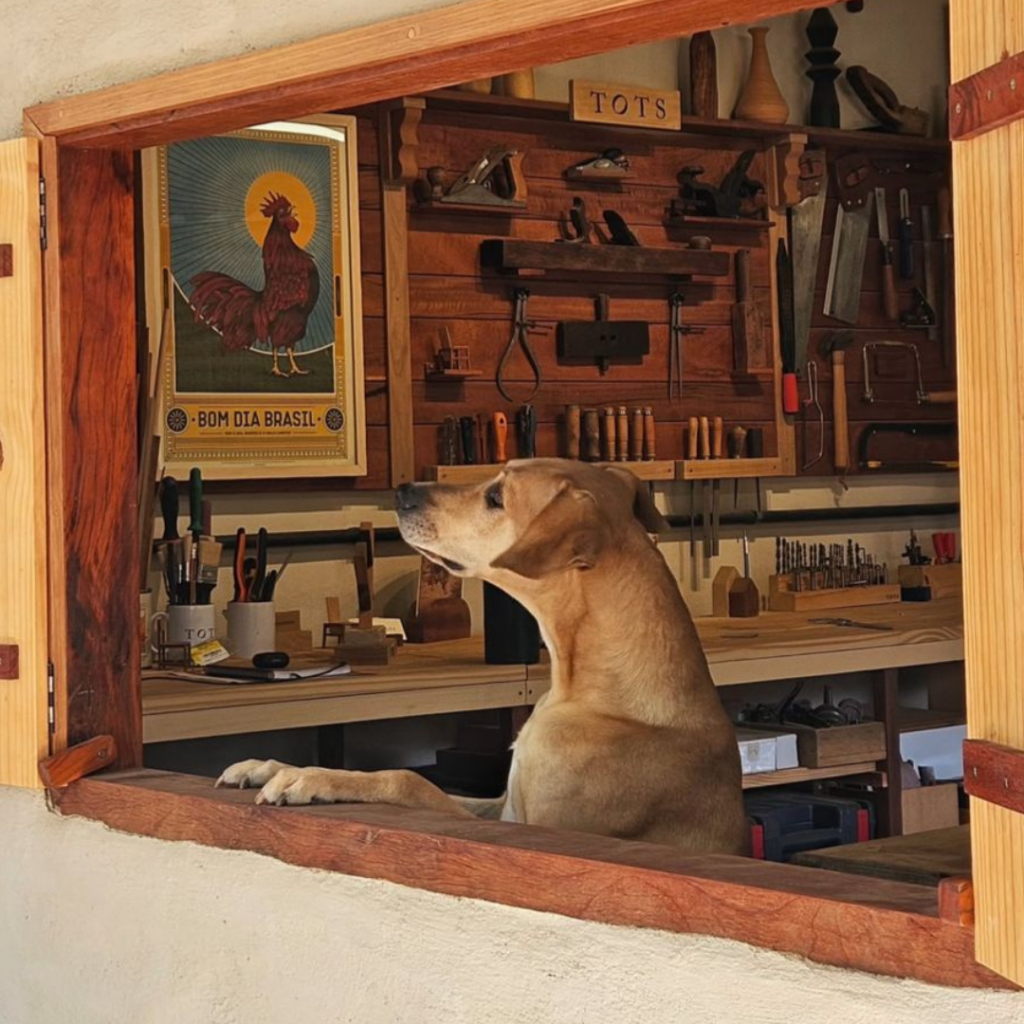
A glimpse into daily life at the studio. Photo: Sammea Vilarinho Arquitetura
Sousa and the Pace of a Craftsman
Founded five years ago, Estúdio Tots produces original wood furniture and objects under Sousa’s direction. Over that period, growing demand for his work made a larger physical structure necessary, prompting construction of the new atelier.
Located roughly 90 kilometers from Goiânia, the studio’s new address confirms that production remains rooted in the interior of Goiás. No shift in the brand’s line of work was announced alongside the space’s opening.
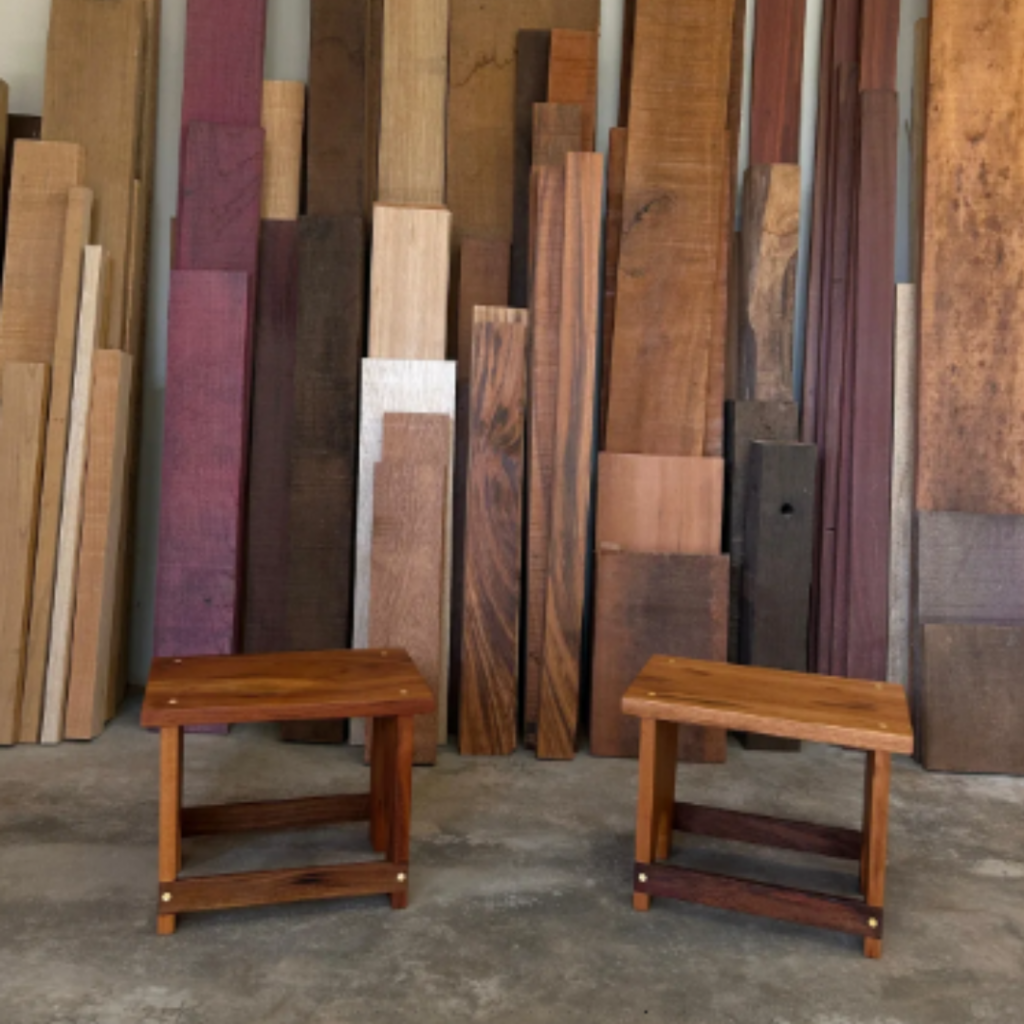
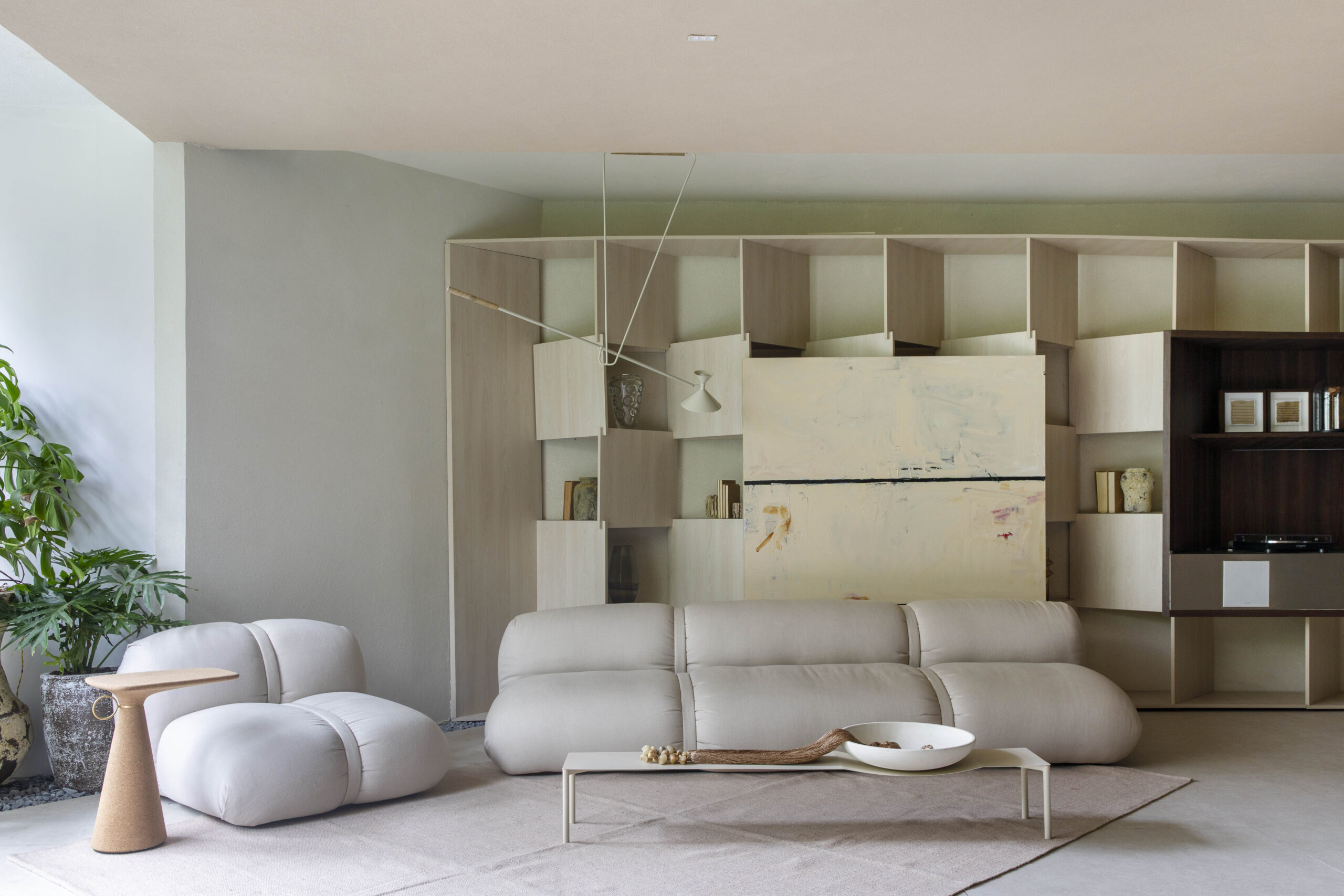
Pieces produced in the studio, the result of handcrafted woodwork. Photo: Sammea Vilarinho Arquitetura
An Architect Who Listens Before Designing
Architect Sammea Vilarinho, who leads the firm bearing her name, signed the project, which centers on the relationship between architecture, interiors and brand identity. Sammea Vilarinho Arquitetura works on residential, commercial and corporate projects, with a recurring focus on spaces built for artisanal and creative production, a category that includes the Estúdio Tots atelier.
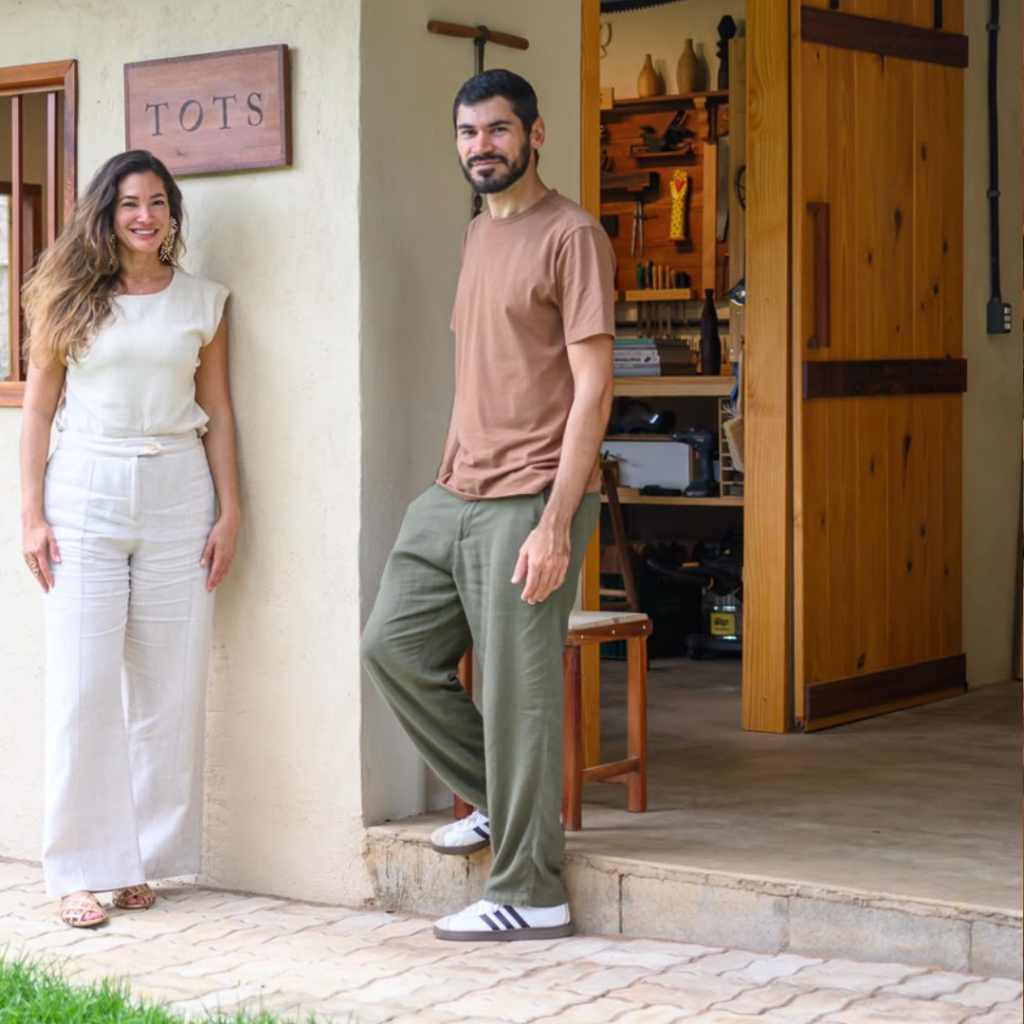
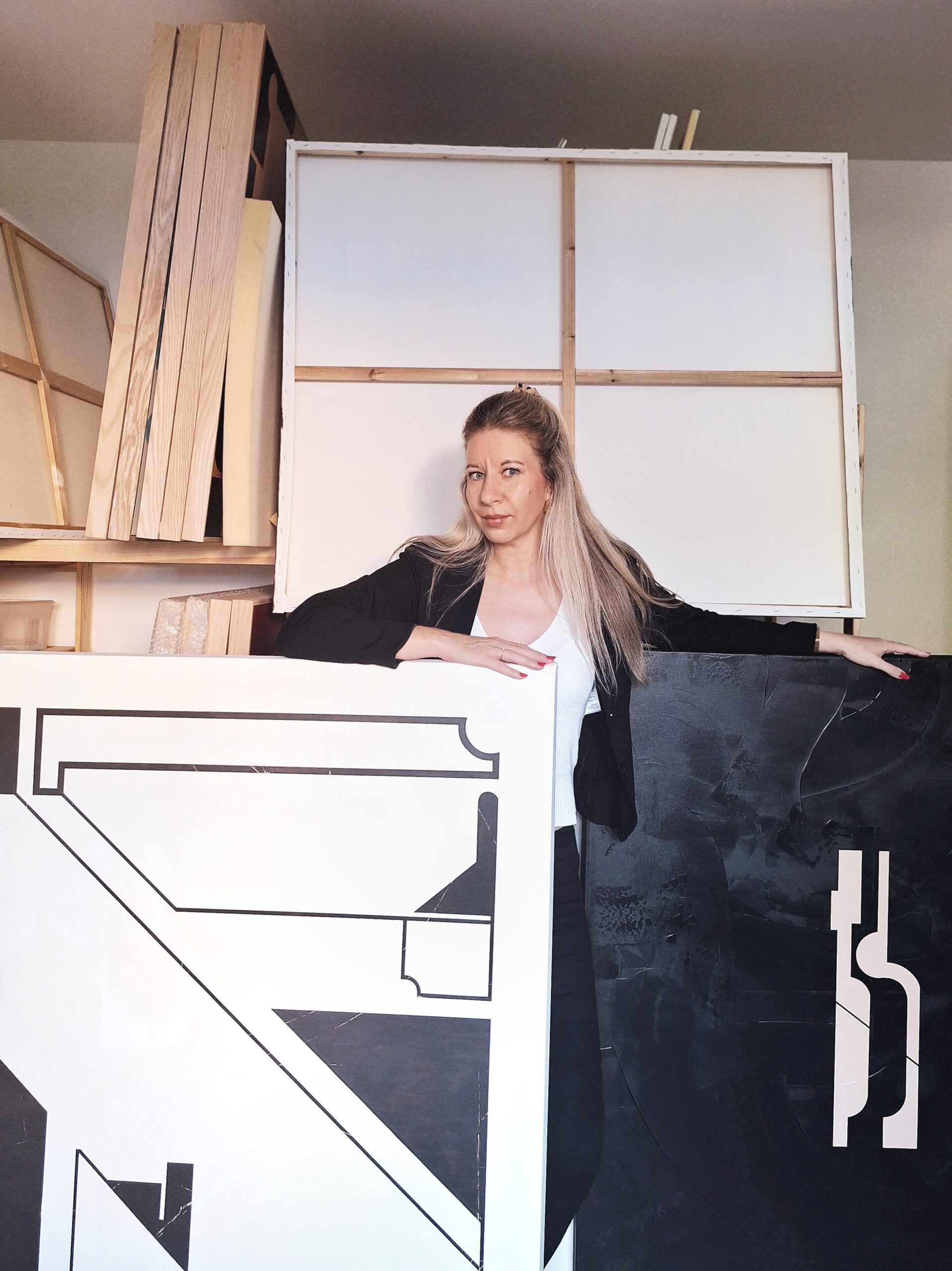
Architect Sammea Vilarinho and woodworker Nando de Sousa in front of the completed studio. Photo: Sammea Vilarinho Arquitetura
Balancing the operational demands of a professional woodworking shop, including ventilation, material flow and safety, with a spatial approach that would resonate with the brand’s original production was the project’s main challenge, according to the firm’s team. Vilarinho has signed other projects with this same approach, a hallmark of the firm’s recent work.
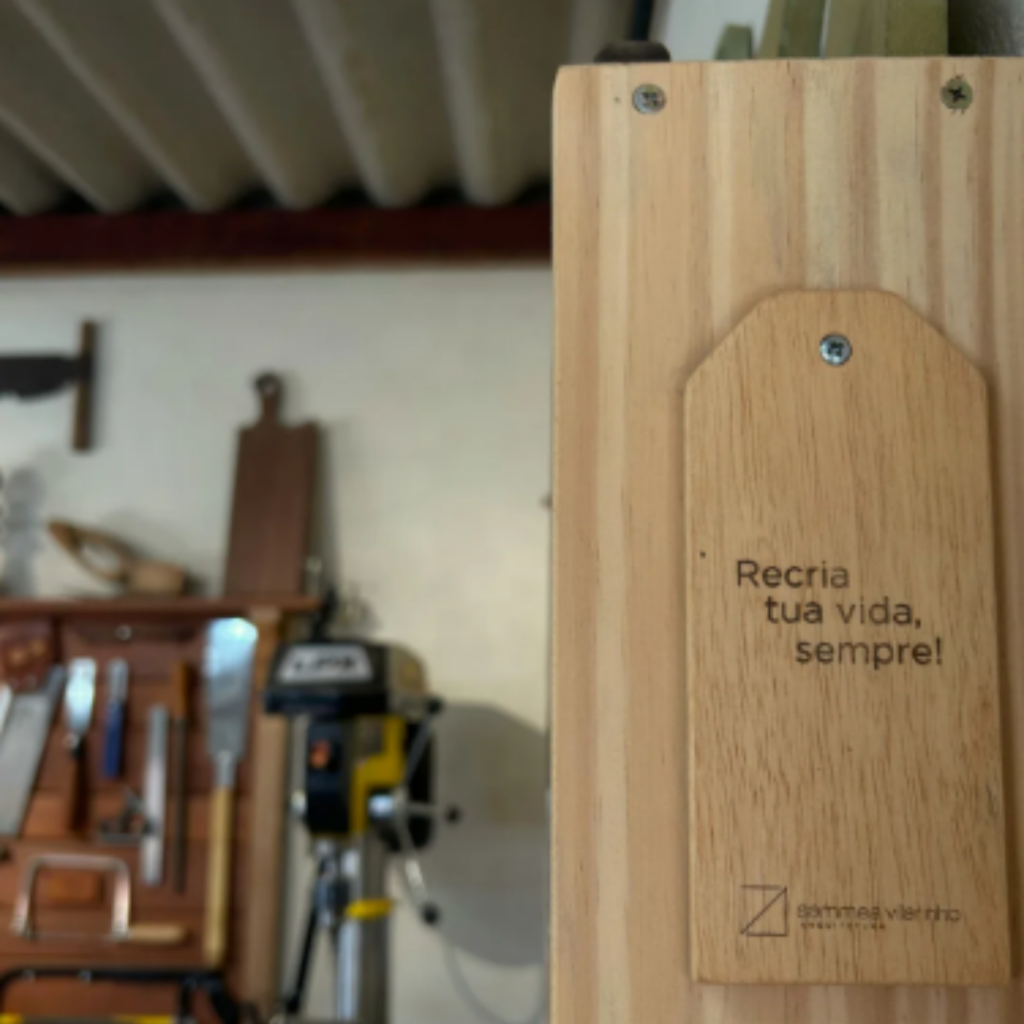
The firm’s identity is also evident in the studio’s details. Photo: Sammea Vilarinho Arquitetura
A City Turned Cradle of Culture
Home to just over 20,000 residents, Silvânia is a municipality in southeastern Goiás, according to official municipal data. Located about 90 kilometers from Goiânia, it is reached primarily via highways BR-060 and GO-139.
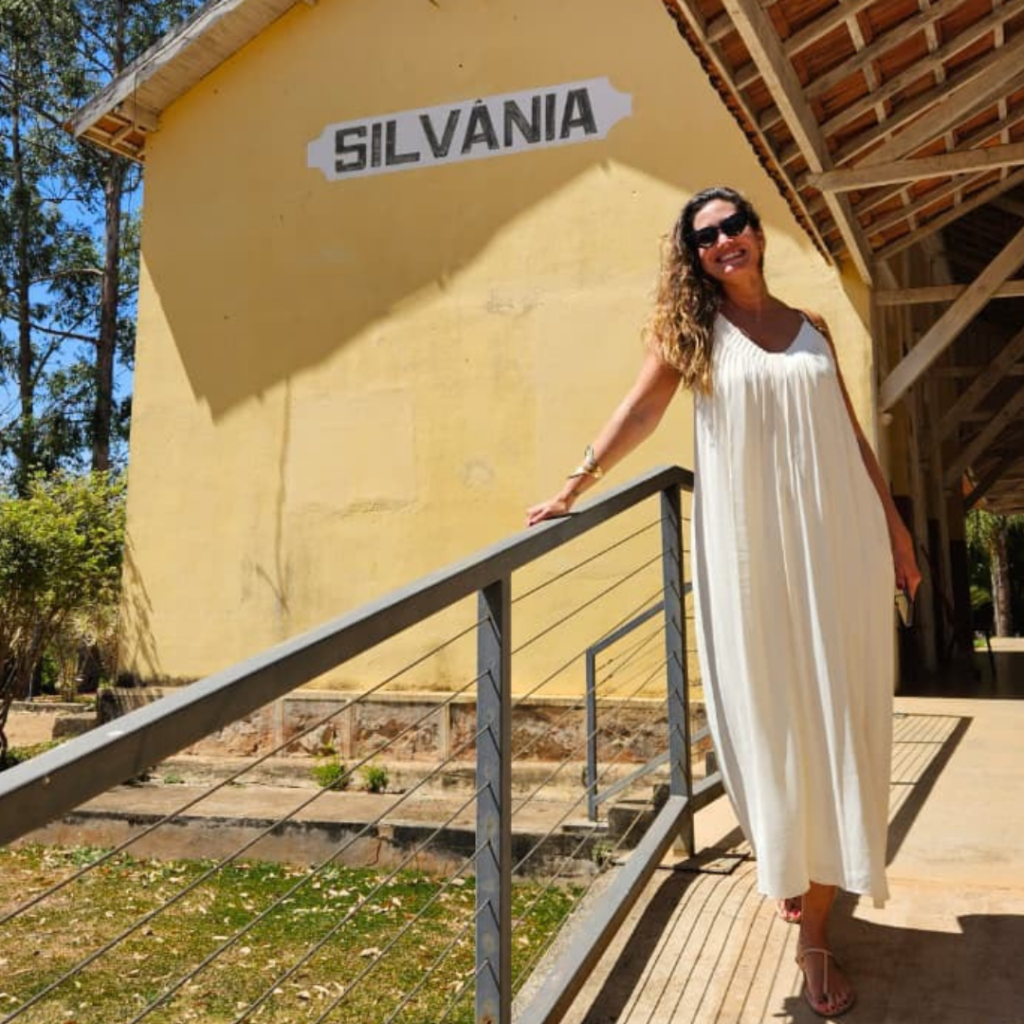
Silvânia, in the interior of Goiás, is the new headquarters of Estúdio Tots. Photo: Sammea Vilarinho Arquitetura
Among the state’s oldest municipalities, Silvânia traces its origins to 1774, when gold deposits were discovered in the region. Miners from Santa Luzia, now called Luziânia, and from Bahia formed the original settlement, named Bonfim after an image of Nosso Senhor do Bonfim brought by the settlers.
Bonfim became a city in 1857 and kept that name for more than 160 years. Only in 1943 was it renamed Silvânia, in honor of the Silva family, which played a significant role in the region’s development. Over the course of its history, the municipality gave rise to several other Goiás cities, including Vianópolis, Leopoldo de Bulhões, São Miguel do Passa Quatro and Gameleira de Goiás.
Unlike other mining towns that disappeared after the decline of gold production, Silvânia reorganized its economy around agriculture, cattle ranching and education. Institutions such as Ginásio Anchieta and Colégio Nossa Senhora Auxiliadora shaped, throughout the 20th century, generations of politicians, jurists, doctors, writers and intellectuals from Goiás, earning the municipality the nickname “Cradle of Culture.”
Also part of the local historical heritage is the old railway station, opened in 1930 and restored by Brazil’s National Institute of Historic and Artistic Heritage (IPHAN) in 2013. Built about 6 kilometers from the city center for political reasons of the era, the station remains one of the municipality’s principal architectural landmarks.
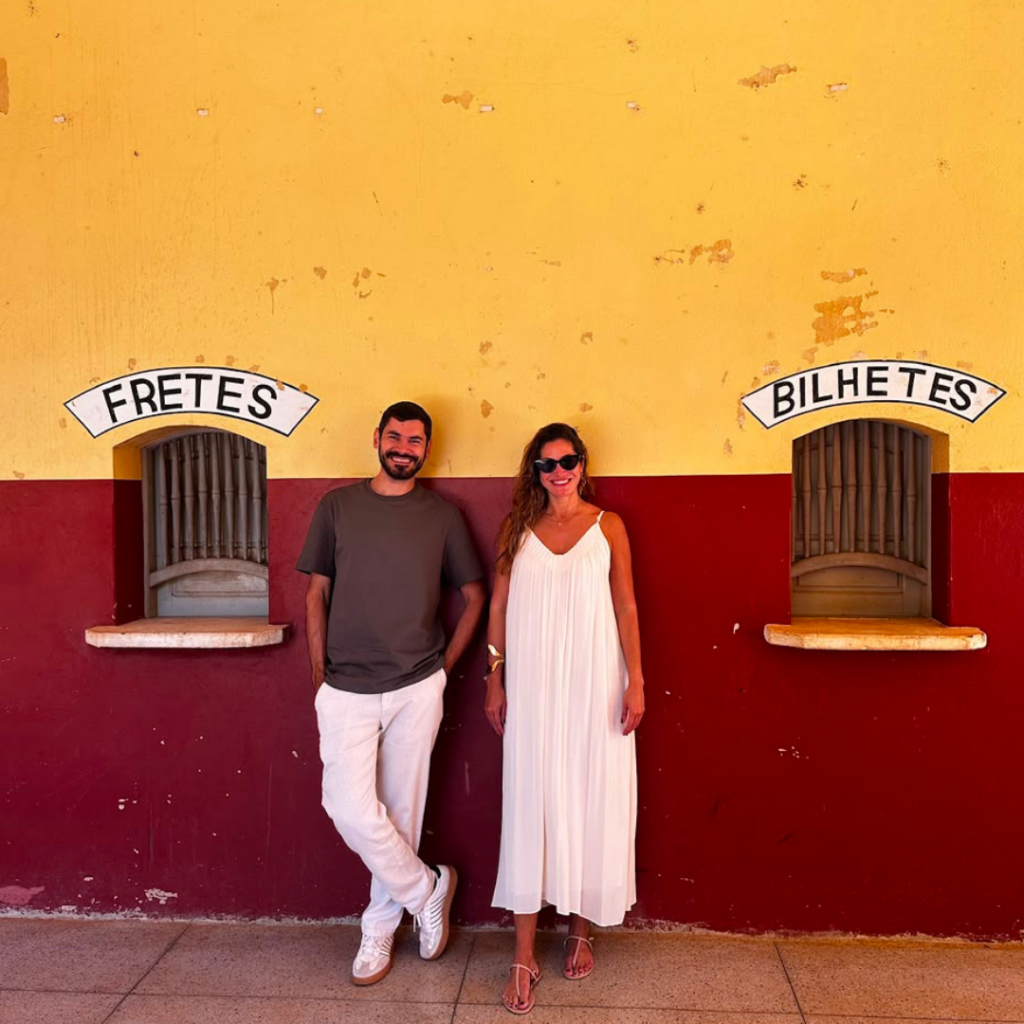
Sammea Vilarinho and Nando de Sousa at the old Silvânia train station, restored by IPHAN in 2013. Photo: Sammea Vilarinho Arquitetura
Religious and popular traditions remain part of the city’s cultural calendar today. Among the best-known celebrations are the Festa do Senhor do Bonfim, the Folias de Reis, the catira folk dance, June festivals, regional handicrafts and the production of traditional sweets from the Goiás interior.
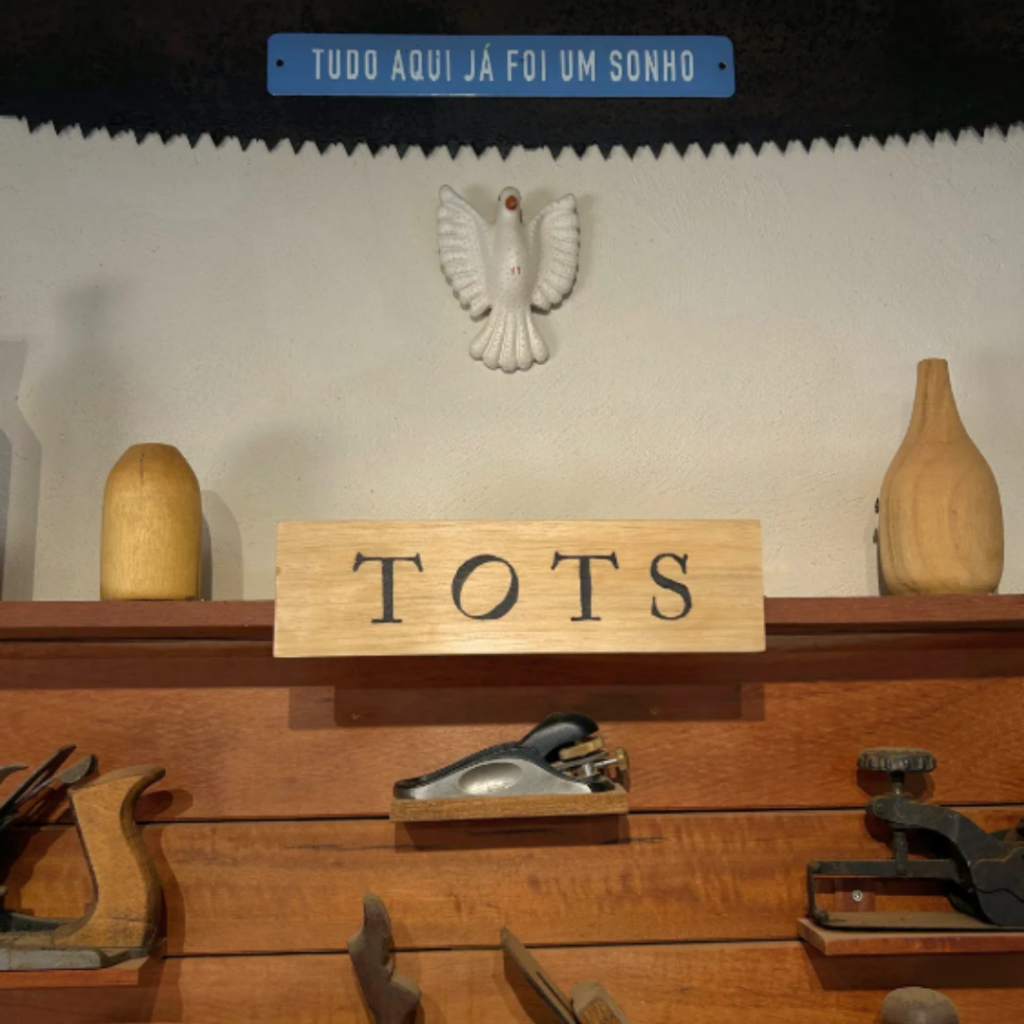
Details that capture the studio’s creative atmosphere. Photo: Sammea Vilarinho Arquitetura
It is against this backdrop, marked by historical and educational tradition, that Estúdio Tots’ new atelier now joins Silvânia’s productive landscape.
Instagram: https://www.instagram.com/estudiotots/
Instagram: https://www.instagram.com/sammeavilarinhoarquitetura/